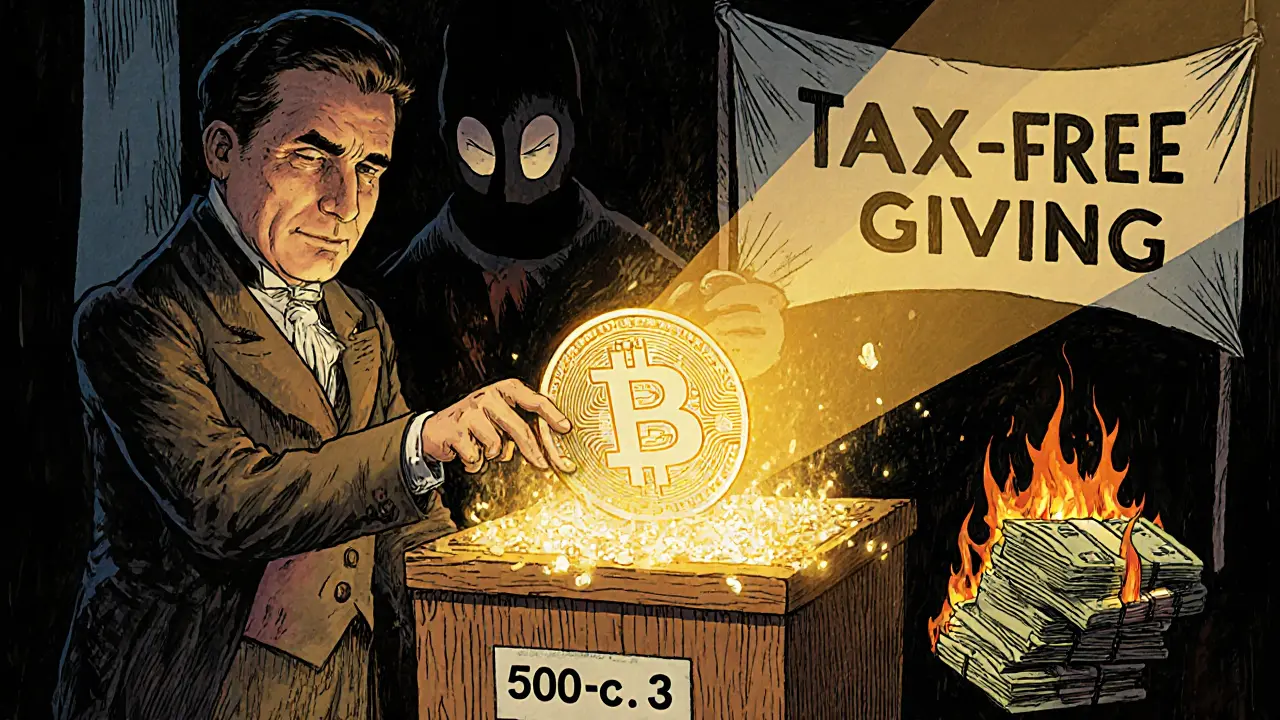
Crypto Charitable Giving: How Blockchain Is Transforming Donations
When you give to charity using crypto charitable giving, the act of donating cryptocurrency to nonprofits using blockchain technology. Also known as crypto philanthropy, it lets you send value directly to organizations without banks, intermediaries, or delays. Unlike traditional donations that can take days to clear and hide fees in fine print, crypto donations arrive in minutes—often with under $1 in transaction costs. And because every transfer is recorded on a public ledger, donors and nonprofits alike can see exactly where funds go.
This isn’t just about speed or cost. blockchain donations, transactions recorded on decentralized ledgers that ensure transparency and traceability let you track your gift from wallet to cause. A school in Kenya might show you the exact Bitcoin address that received your donation, then prove it was used to buy textbooks. decentralized giving, a system where charitable contributions bypass centralized institutions and flow peer-to-peer removes the middlemen who used to take 20% or more in administrative fees. Now, 95% of what you send can reach the people who need it.
And it’s not just big NGOs using this. Smaller groups—animal rescues, local food banks, open-source developers—are accepting crypto because it’s easier and cheaper than setting up credit card processing. Some even use smart contracts to release funds only when milestones are met, like completing a clean water project. You’re not just donating—you’re holding organizations accountable in real time.
The rise of cryptocurrency donations, digital asset transfers made to charitable causes using coins like Bitcoin, Ethereum, or stablecoins has also opened doors for global participation. Someone in Japan can fund a clinic in Nigeria without worrying about currency conversion, wire fees, or banking restrictions. No passport needed. No bank account required. Just a wallet and a cause.
Below, you’ll find real examples of how crypto is being used for good—from token swaps that fund clean energy to airdrops that support disaster relief. You’ll also see how scams pretend to be charitable, and how to tell the difference. This isn’t theory. It’s happening right now, and you can be part of it.