Crypto Consumer Protection Japan: Rules, Risks, and How to Stay Safe
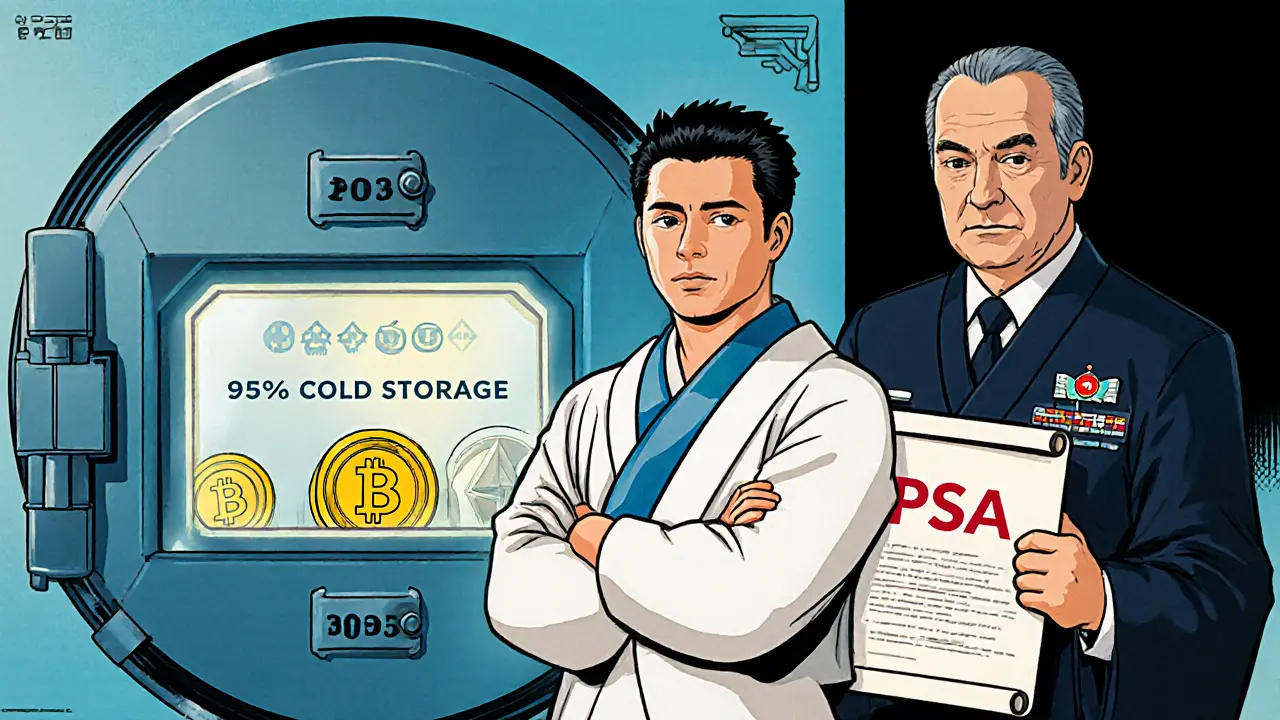
When it comes to crypto consumer protection Japan, Japan’s regulatory framework for digital assets is among the most advanced and consumer-focused in the world. Also known as Japanese crypto oversight, it’s built to stop scams, enforce transparency, and hold exchanges accountable—something few other countries do as rigorously. If you’re trading crypto in Japan or using a Japanese exchange, you’re under a system that demands licenses, audits, and real-time reporting. This isn’t just bureaucracy—it’s a shield against the wild west of crypto that exists elsewhere.
Japan’s Financial Services Agency (FSA), the government body that regulates banks, insurance, and now crypto. Also known as FSA Japan, it requires every crypto exchange operating in the country to register, hold client funds in segregated accounts, and pass strict cybersecurity reviews. That’s why platforms like BitFlyer and Coincheck are trusted—they’re legally bound to protect you. But not all platforms follow the rules. Scammers still try to slip through by pretending to be Japanese exchanges, using fake websites, or promising guaranteed returns. The FSA regularly publishes lists of unlicensed operators. If an exchange isn’t on their approved list, it’s not safe.
Japan also leads in crypto tax rules, treating digital assets as property, not currency. Also known as Japanese crypto taxation, this means every trade, swap, or sale triggers a taxable event. You must track every transaction and report gains—no exceptions. But here’s the upside: the system is clear. Unlike places where tax rules change monthly, Japan gives traders predictable guidelines. That’s why so many serious investors choose to operate there. The trade-off? More paperwork, but far fewer surprises.
And then there’s the issue of crypto scams Japan, a growing problem that targets both locals and foreigners. Also known as Japanese crypto fraud, these often come as fake airdrops, cloned apps, or influencers pushing dead tokens like Intexcoin or Golden Magfi. The FSA warns about these daily. But you don’t need to wait for a government alert. If a platform promises free crypto with no effort, has no team listed, or can’t show a license number—run. Japan’s laws protect you only if you use licensed platforms. Outside of them, you’re on your own.
What you’ll find in this collection are real reviews of exchanges operating in or targeting Japan, deep dives into how Japanese compliance works, and warnings about tokens that look legit but are dead. You’ll learn how to verify an exchange’s FSA status, spot a fake KYC process, and avoid the traps that even experienced traders fall for. There’s no fluff here—just what you need to stay safe in one of the world’s toughest crypto markets.