Crypto Exchange Security in Japan
When it comes to crypto exchange security in Japan, the country enforces some of the toughest rules for digital asset platforms in the world. Also known as Japanese crypto exchange compliance, this system forces exchanges to prove they can protect user funds, verify identities, and report suspicious activity—or shut down. Unlike places where crypto operates in a legal gray zone, Japan’s Financial Services Agency (FSA) requires every exchange to be licensed, audited, and insured against hacks. This isn’t optional—it’s the law.
That’s why KYC in Japan, the process of verifying a user’s real identity before allowing trading. Also known as identity verification for crypto, it’s not just a form you fill out—it’s a full background check that includes government ID, proof of address, and sometimes even a selfie video. Exchanges like BitFlyer and Coincheck don’t just ask for your email—they need your passport. And they store that data under strict encryption, with separate systems for cold storage and user information. This isn’t about privacy invasion; it’s about preventing money laundering and protecting ordinary traders from scams.
crypto compliance Japan, refers to the ongoing rules exchanges must follow to keep their license. Also known as FSA crypto regulations, it includes real-time transaction monitoring, mandatory reporting of large transfers, and annual third-party security audits. If an exchange fails even one audit, it gets suspended. That’s why you won’t find shady platforms operating openly in Japan—they get wiped out fast. This level of oversight means fewer rug pulls, fewer fake exchanges, and more trust for users who want to trade without worrying about their funds vanishing overnight.
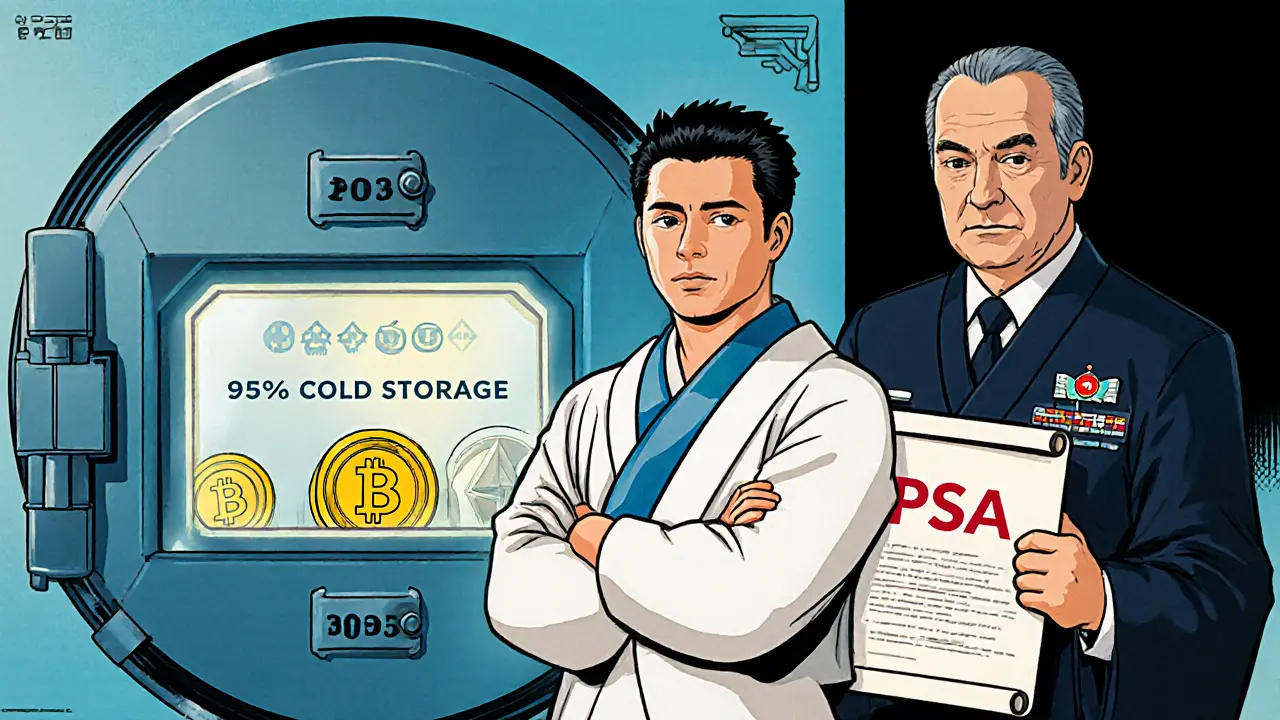
But security isn’t just about rules—it’s about execution. Japan’s top exchanges keep over 95% of user funds in offline wallets, use multi-signature access, and have dedicated teams that monitor for suspicious logins 24/7. They also partner with local banks and law enforcement to freeze accounts tied to fraud. This isn’t theoretical—it’s why Japan has one of the lowest rates of exchange-related theft in the world. Even after major hacks in 2018, the system was rebuilt stronger, not abandoned.
What does this mean for you? If you’re trading crypto in Japan, you’re likely using one of the few platforms that actually meet global security standards. You’ll deal with more paperwork, slower withdrawals, and fewer altcoins—but you’ll also sleep better knowing your Bitcoin isn’t sitting on a platform that could vanish tomorrow. And if you’re outside Japan but care about safety, look at how these exchanges operate. Their model proves you don’t need to choose between innovation and protection.
Below, you’ll find real reviews of exchanges that operate under Japan’s strict rules—and others that claim to serve Japanese users but skip the compliance. Some are trusted. Some are traps. We’ll show you the difference.