Crypto Fund Safety in Japan: What You Need to Know
When it comes to crypto fund safety in Japan, the combination of strict regulatory oversight, licensed exchanges, and clear tax rules that protect investors from fraud and volatility. Also known as Japanese cryptocurrency compliance, this system is one of the most structured in the world—yet many still lose money by misunderstanding how it works.
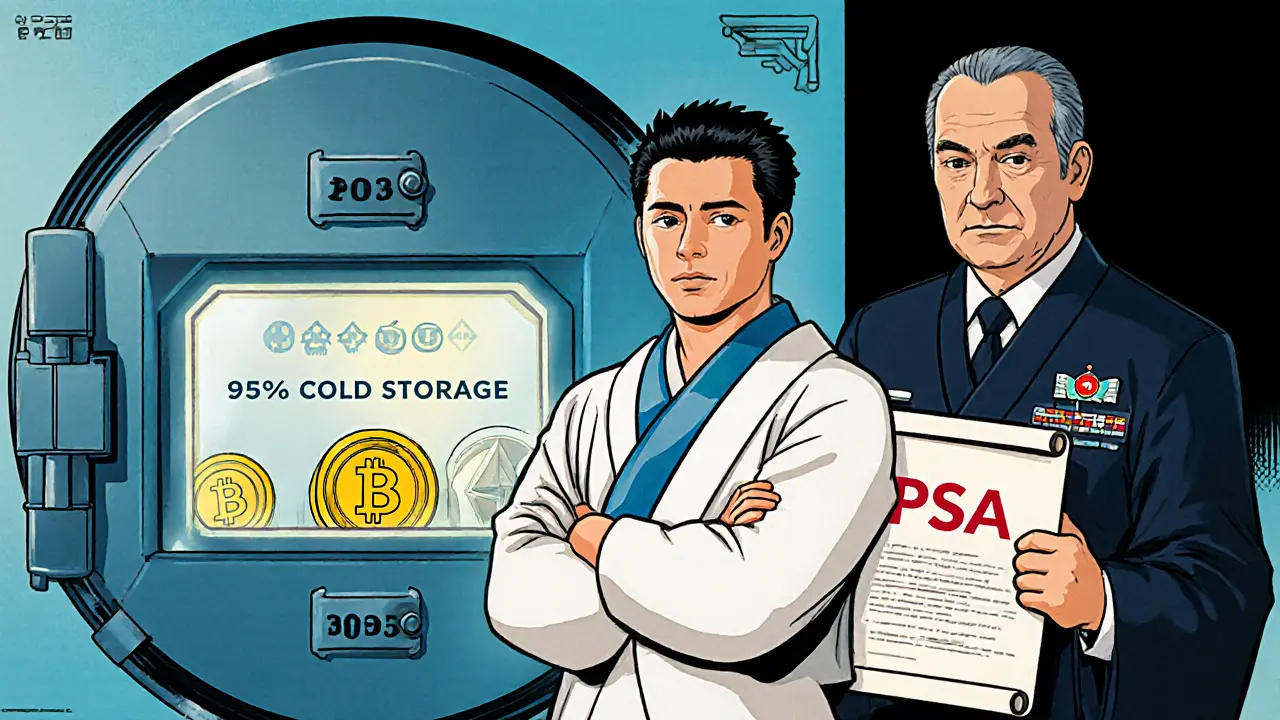
Japan’s Financial Services Agency (FSA) requires every crypto exchange to be licensed, hold customer funds in cold storage, and undergo regular audits. This isn’t just paperwork—it’s a real safety net. Unlike places where exchanges vanish overnight, Japanese platforms like BitFlyer and Coincheck are legally bound to keep your assets separate from their own. That means even if a company fails, your coins aren’t at risk of being used to pay its debts. The FSA also bans anonymous trading, so every user must pass KYC. This reduces scams, money laundering, and pump-and-dump schemes that plague unregulated markets.
But safety isn’t just about exchanges. Japanese crypto regulations, a detailed framework that defines what’s legal, taxable, and reportable. Also known as crypto tax rules Japan, they treat digital assets as property—not currency. That means every trade, swap, or sale triggers a taxable event. If you buy Bitcoin in January and sell it in June for profit, you owe capital gains tax. Miss that, and you risk penalties. The National Tax Agency even cross-checks exchange data with bank records. It’s not optional—it’s enforced. And while Japan doesn’t ban crypto, it tightly controls what’s allowed. Tokens without clear utility or whitepapers get flagged. Airdrops and DeFi platforms must prove they’re not gambling schemes. This makes Japan one of the safest places to hold crypto—but also one of the most complex to navigate.
Security doesn’t stop at the exchange. Many Japanese investors use hardware wallets like Ledger or Trezor to move funds offline after trading. Others rely on multi-signature accounts for joint holdings. The FSA encourages this. Meanwhile, scams targeting non-Japanese speakers are rising—fake support sites, phishing emails in broken English, and fake airdrops promising free tokens. Always verify URLs. Never share seed phrases. And if something sounds too good to be true, it is.
What you’ll find below are real, tested reviews and guides on exactly how to keep your crypto safe under Japan’s rules. From choosing a licensed exchange to filing your tax return correctly, avoiding dead tokens, and spotting red flags before you invest—every post here is built for people who want to stay legal, secure, and in control. No fluff. No hype. Just what works in Japan today.