CTT Token: What It Is, Why It Matters, and What You Should Know
When you hear CTT token, a digital asset built on a blockchain network, often tied to a specific project or platform. Also known as Crypto Token T, it’s one of hundreds of tokens that pop up every month with big promises and little substance. Most of them fade into obscurity. CTT token is no different — it’s not listed on major exchanges, has no public team, and shows zero real-world use. If you’re seeing it promoted as a "next big thing," you’re likely being targeted by a low-effort marketing campaign.
Tokenomics is the real story here. A healthy token needs trading volume, a clear purpose, and a community that actually uses it. Look at ARPA, a blockchain token for secure multi-party computation used in enterprise cross-chain bridges — it solves a real problem, has active development, and trades on credible platforms. Contrast that with Karatgold Coin (KBC), a gold-backed token that collapsed to near-zero value after false claims. CTT token fits the KBC pattern: hype without hardware, whitepaper without progress, and a token with nowhere to go.
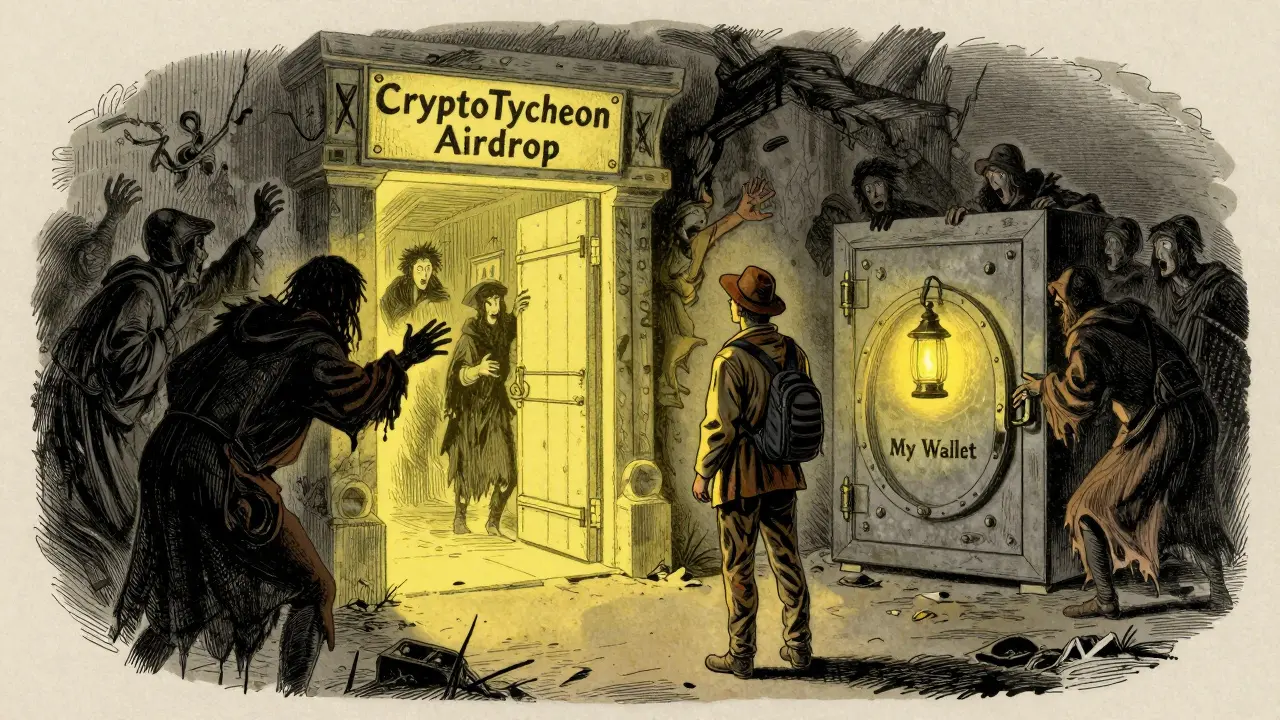
Projects like CTT token thrive on confusion. They copy names from real tokens, use flashy websites, and promise airdrops or staking rewards that never materialize. The Swash app, a platform that lets users earn SWASH tokens by sharing browsing data actually delivers value — you get paid for something you’re already doing. CTT? You pay gas fees just to buy it, and then sit on a digital ghost. No utility. No liquidity. No future.
What’s worse? You’ll find dozens of posts like this one in our collection — each exposing another token that looked promising but turned out empty. From CTT token to Papu Token, HYPERSKIDS, and Stars X Exchange, the pattern is the same: no team, no roadmap, no trading volume. These aren’t investments. They’re digital lottery tickets with terrible odds.
What you’ll find below isn’t just a list of articles. It’s a warning system. Every post here breaks down a token or exchange that looked real but wasn’t. You’ll learn how to spot the red flags — the fake airdrops, the zero-volume tokens, the exchanges with no support. You’ll see what real crypto utility looks like versus what’s just noise. And you’ll walk away knowing exactly what to avoid — and what, if anything, is actually worth your time.