Japan Crypto Regulations: What You Need to Know in 2025
When it comes to Japan crypto regulations, a clear, enforceable framework set by Japan’s Financial Services Agency that defines how digital assets are taxed, traded, and monitored. Also known as Japanese cryptocurrency laws, it’s one of the most transparent systems in the world—no guesswork, no sudden bans, just rules you can plan around. Unlike countries that flip-flop on crypto, Japan has treated it as financial infrastructure since 2017. The FSA Japan, the Financial Services Agency, Japan’s primary financial regulator that licenses and oversees all crypto exchanges operating in the country requires every exchange to register, keep user funds separate, and report suspicious activity. If an exchange isn’t FSA-approved, it’s illegal to operate there.
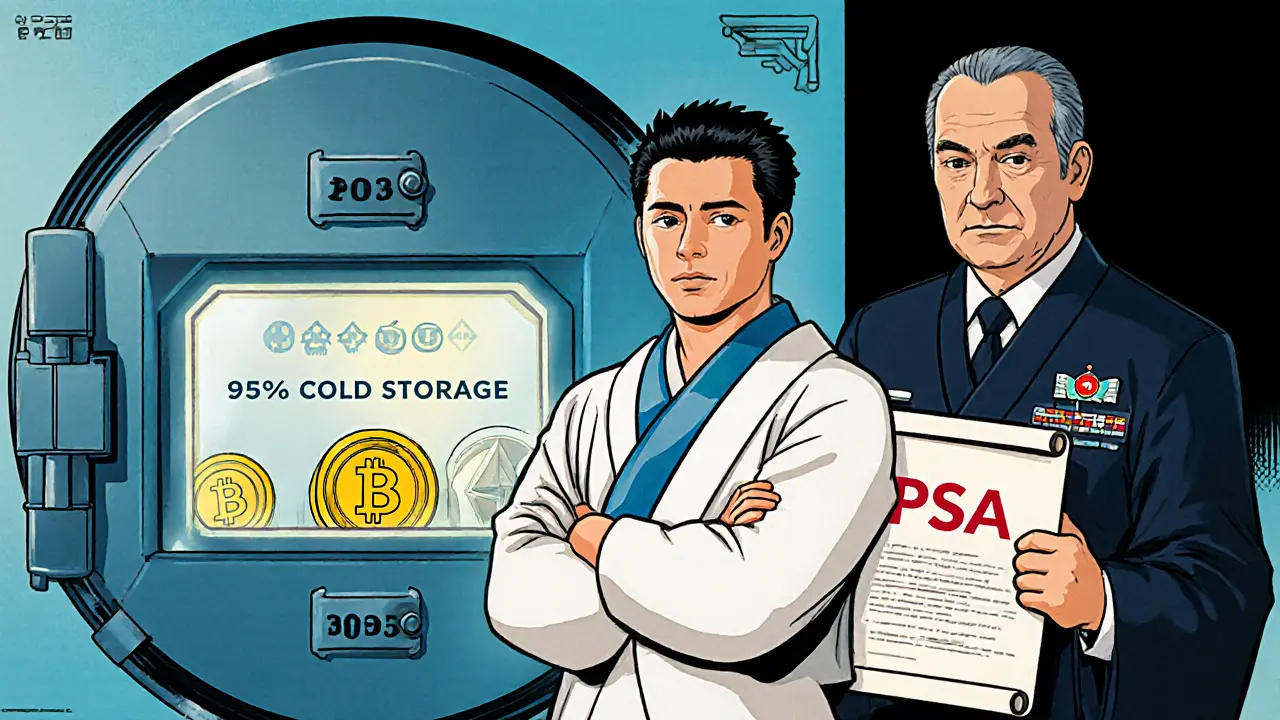
That’s why you won’t find shady platforms like Stars X or Darb Finance listed in Japan. The crypto exchanges Japan, regulated platforms like BitFlyer, Coincheck, and Zaif that meet strict FSA requirements for security, transparency, and user protection are the only ones you should use. They all run KYC checks, follow AML rules, and keep 95%+ of assets in cold storage. The FSA also forces them to publish quarterly reports—no hidden fees, no surprise delistings. If you’re trading in Japan, you’re trading on a platform that’s been vetted by the government.
And then there’s the tax side. crypto taxation Japan, the system where cryptocurrency gains are treated as miscellaneous income, taxed at progressive rates up to 55% depending on your total annual earnings. It’s not capital gains like in the U.S.—it’s income. Sell Bitcoin for yen? That profit gets added to your salary and taxed accordingly. But here’s the twist: if you trade crypto for crypto, it’s still a taxable event. No exemptions for swaps, no "hodl" loophole. You need to track every trade, every conversion, every withdrawal. Most people use tools like Koinly or CoinTracker to stay compliant. The FSA doesn’t care how you track it—just that you do.
Japan doesn’t ban staking, mining, or DeFi—but it doesn’t give them special treatment either. If you earn interest or rewards, it’s taxable income. If you mine Bitcoin, you report it as income when you sell. No gray zones. This clarity is why Japan still has one of the largest crypto user bases in Asia. People know where they stand. You won’t find wild airdrops like ZERC or MMS promoted here—they’d be seen as unregistered securities. The market is mature, cautious, and rules-driven.
What you’ll find below are real, detailed reviews and guides that match Japan’s regulatory reality. You’ll see how exchanges handle FSA compliance, how traders report taxes, and why certain tokens vanish from Japanese platforms. No fluff. No hype. Just what works under Japan’s strict but fair system.