North Korea money laundering: How crypto enables state-sponsored illicit finance
When you hear North Korea money laundering, the systematic use of digital currencies to hide and move stolen funds while evading international sanctions. Also known as crypto sanctions evasion, it's not just underground activity—it's a state-run operation backed by military hackers and intelligence units. The U.S. Treasury estimates North Korea has stolen over $3 billion in cryptocurrency since 2017, mostly through hacking exchanges, DeFi protocols, and wallet breaches. This isn’t random crime. It’s a calculated strategy to fund weapons programs, bypass U.S. and UN sanctions, and keep the regime running when traditional banking is shut off.
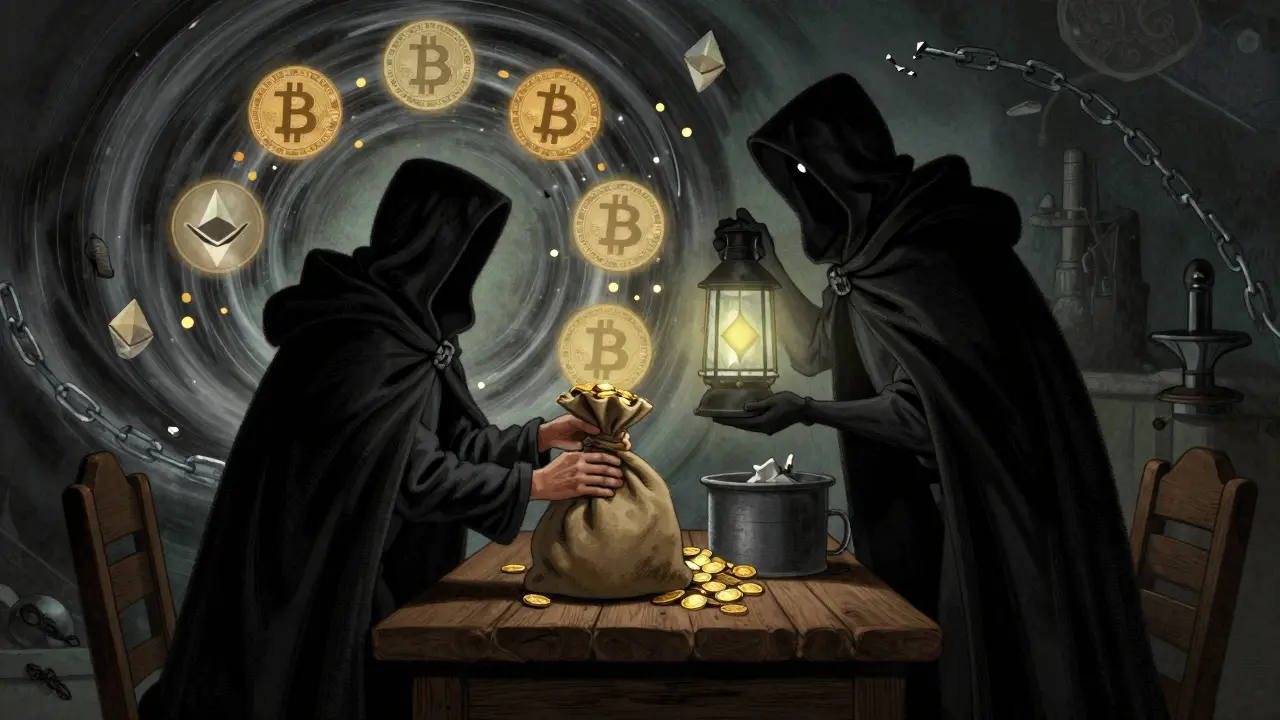
How does it work? North Korean hacking groups like Lazarus Group target crypto platforms with simple but brutal tactics: phishing, fake apps, and exploiting outdated software. Once they steal Bitcoin, Ethereum, or USDT, they use crypto mixers, services that scramble transaction trails to hide the origin of funds to break the link between stolen coins and their wallets. Then they move the coins through multiple chains—Ethereum to BSC, then to Solana—before cashing out via unregulated exchanges in Southeast Asia or peer-to-peer trades. Some even use NFTs, non-fungible tokens that can be bought and sold with minimal oversight as a way to convert crypto into fiat without triggering alerts. This isn’t theory. In 2022, the U.S. froze $50 million in crypto tied to a North Korean NFT laundering scheme. And in 2023, a single hack of a DeFi bridge netted them over $200 million in USDT.
What makes this so hard to stop? Unlike banks, crypto doesn’t require IDs. No one asks where your wallet came from. Even when exchanges freeze accounts, hackers just create new ones. And while countries like Japan and South Korea crack down on suspicious wallets, North Korea doesn’t care—they have no assets to lose. The real victims? Ordinary users who get caught in the crossfire when regulators shut down entire platforms just to be safe. Below, you’ll find real cases of crypto scams, exchange hacks, and sanctions evasion tactics that mirror what North Korea does. These aren’t just stories about bad tokens—they’re windows into how state actors exploit the same systems everyday investors use.