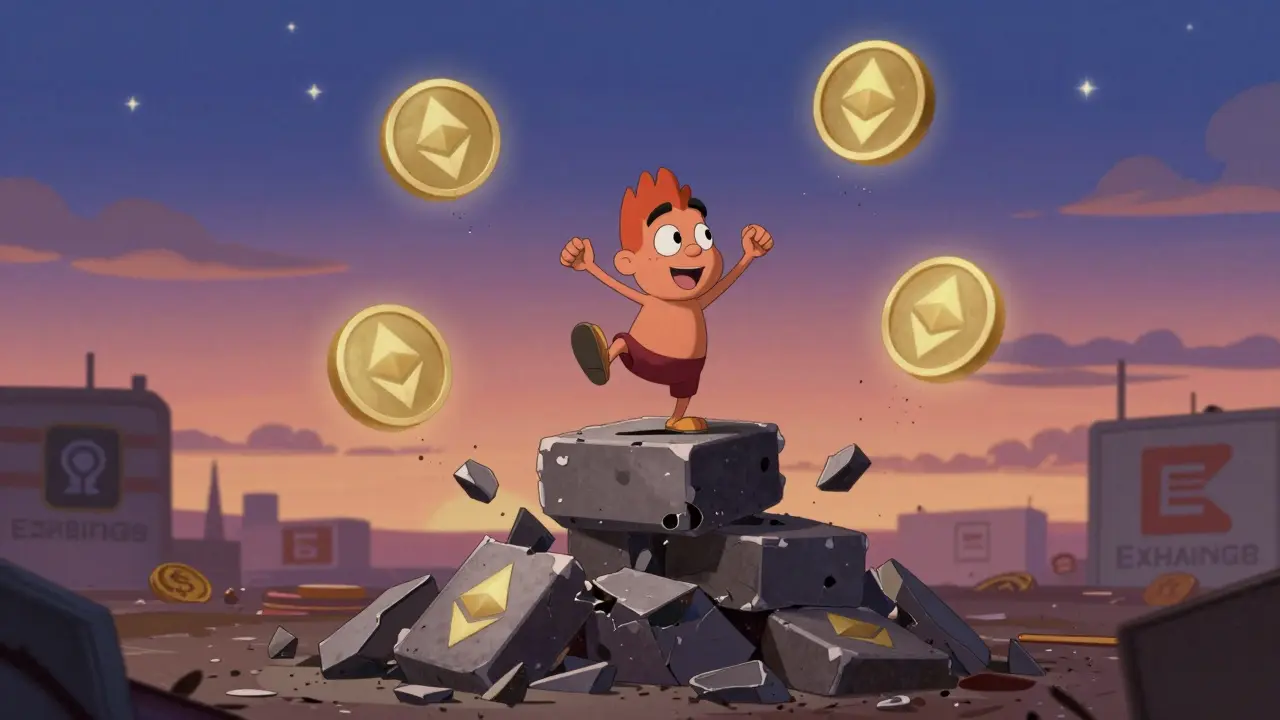
Papu Token: What It Is, Why It Matters, and What You Should Know
When you hear Papu Token, a meme-based cryptocurrency that surged briefly on social media but vanished without trace. Also known as PAPU, it's one of dozens of tokens that ride viral trends with no real plan, no team, and no long-term future. These tokens don’t solve problems—they just borrow attention. And when the hype fades, they leave behind empty wallets and confused investors.
Papu Token isn’t alone. It shares DNA with Hot Doge, a Solana-based meme coin with zero trading volume and no development, or $HYPERSKIDS, a charity-themed token that crashed 99.96% after promises of aid went unfulfilled. These aren’t investments—they’re lottery tickets with no winning numbers. What they all have in common? No whitepaper, no audited contracts, and no way to verify who’s behind them. You’re not buying tech—you’re buying a tweet.
Most of these tokens appear on decentralized exchanges like AuraSwap, a low-liquidity Polygon DEX with almost no users and high risk of manipulation. They thrive in places where oversight is absent and prices swing wildly based on a few whale wallets. That’s why Karatgold Coin, a supposed gold-backed token now worth less than 1% of its peak and Cryptomeda, a gaming token with zero activity since 2021 ended up dead. No one was checking their claims. No one cared after the initial rush.
There’s a pattern here: big promises, no proof, and a quick exit. The crypto space is full of these ghosts. Some are scams. Others are just reckless experiments. Either way, they don’t belong in your portfolio. What you’ll find in the posts below are real breakdowns of tokens like Papu Token—exposed not by hype, but by facts. You’ll see how they launched, who benefited, and why they collapsed. You’ll also learn how to spot the next one before you lose money. This isn’t about chasing trends. It’s about staying safe in a world built on noise.