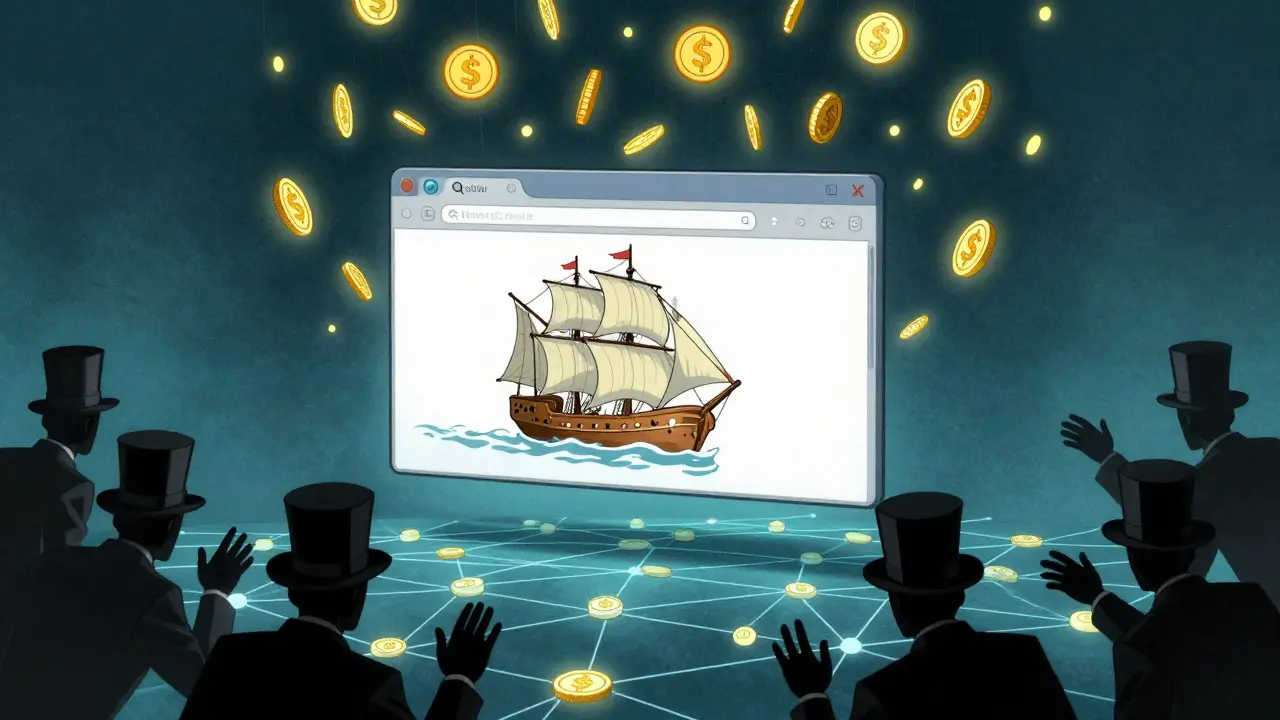
SWASH Token: What It Is, How It Works, and Why It Matters in Crypto
When you browse the web, your data is being sold—without you getting paid. SWASH token, a blockchain-based digital asset that rewards users for sharing their unused internet data. Also known as Swash network token, it turns passive online activity into a source of income through a decentralized data marketplace. Unlike traditional platforms that profit from your clicks, SWASH lets you own and monetize your digital footprint. It’s not a meme coin. It’s not a speculative gamble. It’s a working model of a new kind of economy: one where users, not corporations, control and benefit from their data.
The Swash network, a browser extension and app that collects anonymized browsing data and routes it to verified buyers is the engine behind SWASH. Think of it like a co-op for your digital life. You install the app, it runs quietly in the background, and you earn SWASH tokens for data you’re already generating—like which sites you visit, how long you stay, and what devices you use. That data then goes to companies doing market research, AI training, or ad targeting. But here’s the twist: instead of Google or Meta keeping all the money, you get a cut. The data economy, a system where individuals are compensated for their personal digital information isn’t theoretical anymore. SWASH is one of the few real implementations that’s been live for years, with real users and real payouts.
What makes SWASH different from other crypto projects? It doesn’t promise moonshots. It doesn’t rely on hype. It solves a real problem: data exploitation. And it does it without asking you to stake, trade, or take risks. You just browse. The tokens you earn can be held, traded, or used in partner apps that reward users for participation. This isn’t a side hustle for crypto bros—it’s a practical way for anyone with an internet connection to start earning from something they already do.
Below, you’ll find real reviews, breakdowns, and updates on SWASH and similar projects that are building the next generation of user-owned internet. Some are working. Some are dead. All of them show what’s possible when people take back control of their data.