
So, you’ve heard whispers about Bitsonic and are wondering if it’s worth your time. Maybe you’re eyeing the South Korean cryptocurrency market, or perhaps you stumbled upon its native token, Bitsonic Coin (BSC), and got curious. Here’s the hard truth upfront: Bitsonic is a niche player. It’s not Binance, and it’s definitely not trying to be. If you don’t read Korean, this platform might feel like hitting a brick wall. But if you’re in Seoul, speak the language, and want a domestic option, there’s more here than meets the eye.
This isn’t just another generic exchange listing. We’re digging into what makes Bitsonic tick, who it actually serves, and why most international traders should probably look elsewhere. Let’s cut through the noise.
What Exactly Is Bitsonic?
Bitsonic is a centralized cryptocurrency exchange (CEX) headquartered in Seoul, South Korea. Think of it as a digital asset trading platform built primarily for the local crowd. Unlike global giants that chase every corner of the world, Bitsonic keeps its focus tight on the Korean market.
The platform supports trading pairs involving the Korean Won (KRW), which is crucial for local users wanting to trade directly with their national currency. You can also trade against major assets like Bitcoin (BTC), Ethereum (ETH), Tether (USDT), and EOS.
One distinct feature? They have their own utility token, Bitsonic Coin (BSC). Don’t confuse this with other tokens named similarly; this one is tied specifically to the Bitsonic ecosystem. It functions both as a tradable asset and a tool within their platform, though its exact utility benefits aren’t heavily advertised internationally.
| Feature | Bitsonic | Binance (Global Benchmark) |
|---|---|---|
| Primary Market | South Korea | Global |
| Interface Language | Korean Only | Multi-language (30+) |
| Fiat Support | KRW, USDT | USD, EUR, GBP, KRW, etc. |
| Native Token | Bitsonic Coin (BSC) | BNB |
| User Accessibility | Limited (Language barrier) | High |
The Language Barrier: A Dealbreaker for Many
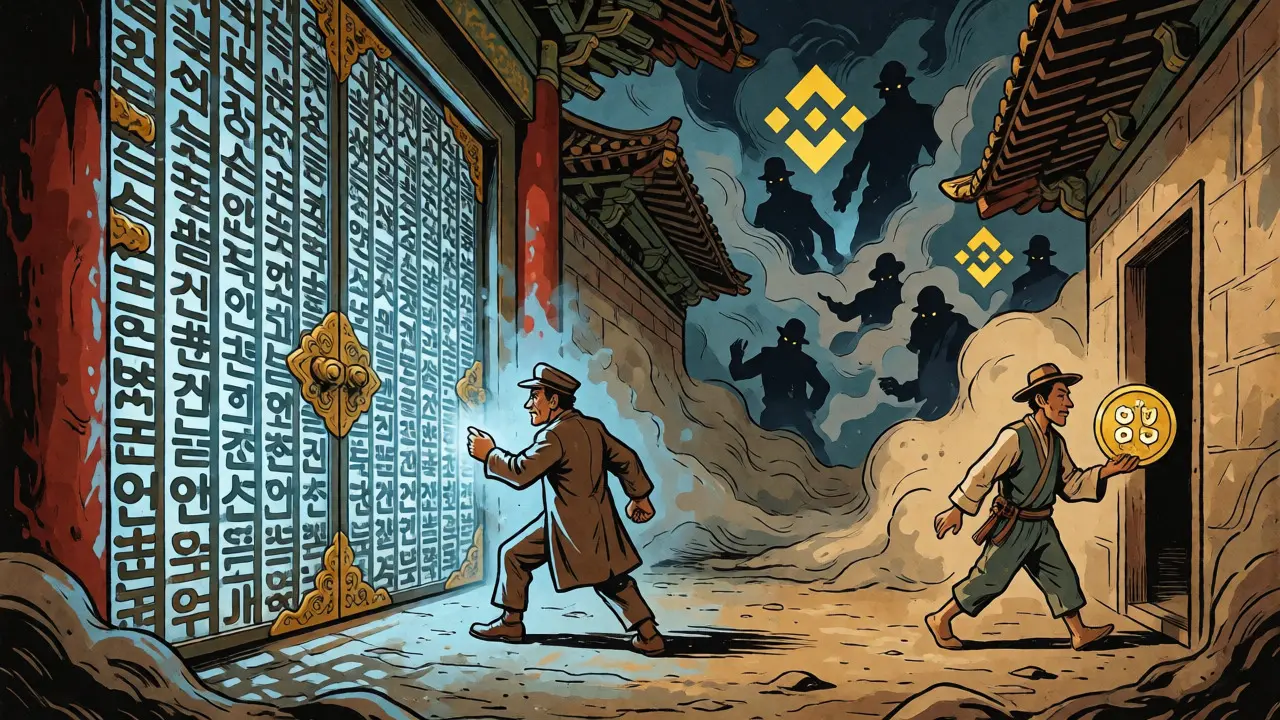
Let’s address the elephant in the room. The Bitsonic interface is entirely in Korean. There are no English options, no Spanish toggle, nothing. For non-Korean speakers, navigating this platform requires either fluency in Hangul or heavy reliance on browser translation tools, which often mess up financial terminology.
Why does this matter? Trading involves speed and precision. If you’re staring at a translated menu trying to figure out where the "withdrawal" button is while the market moves, you’re losing money. This design choice signals clearly that Bitsonic doesn’t care much for international retail investors. Their target audience is the domestic user who already knows how to navigate Korean fintech apps.
If you’re an expat living in Seoul or a trader with Korean connections, this might not bother you. But if you’re browsing from New York or London, expect friction. You won’t find extensive English documentation or support channels. The lack of localized resources suggests a steep learning curve for anyone outside the local ecosystem.
Trading Pairs and Asset Variety
Bitsonic offers a standard set of trading pairs for a regional exchange. You’ll find KRW-based pairs for popular coins, allowing direct fiat-to-crypto transactions without needing to convert to USD first. This convenience is significant for Korean users who want to avoid double conversion fees.
- KRW Pairs: Direct trading of Bitcoin, Ethereum, and other altcoins against the Korean Won.
- Crypto-Crypto Pairs: Trading BTC against ETH, or using USDT as a stablecoin intermediary.
- Native Assets: Access to Bitsonic Coin (BSC), which may offer fee discounts or ecosystem perks.
However, don’t expect the sheer volume of assets found on exchanges like Upbit or Bithumb, the two dominant players in South Korea. Bitsonic occupies a smaller slice of the pie. While it lists a range of cryptocurrencies, the depth of liquidity-the amount of buy and sell orders waiting-might be thinner compared to top-tier Korean exchanges. Thin liquidity means wider spreads, which costs you more per trade.
Regulatory Landscape and Security
Operating in South Korea means adhering to strict regulations. The country has implemented rigorous Anti-Money Laundering (AML) and Know Your Customer (KYC) laws for crypto platforms. Any exchange serving Korean residents must comply with these standards, which generally boosts trust regarding fund security.
Unlike some offshore exchanges that operate in gray areas, Bitsonic operates within the regulated framework of Seoul. This reduces the risk of sudden shutdowns due to regulatory crackdowns, provided they maintain compliance. However, specific details on their Proof of Reserves or insurance policies for user funds aren’t widely publicized in English sources.
Security-wise, being a centralized exchange (CEX) means you’re trusting them with your private keys. Always practice good hygiene: use strong passwords, enable two-factor authentication (2FA), and consider moving large holdings to cold storage. Since detailed third-party security audits aren’t prominently featured in global reviews, caution is advised for large capital deployments.
Who Should Use Bitsonic?
Bitsonic isn’t for everyone. In fact, for most people reading this, it’s probably not the right fit. Here’s a quick breakdown of who fits the profile:
- South Korean Residents: If you live in Korea, speak Korean, and want a domestic platform with KRW support, Bitsonic is a viable option among several competitors.
- Korean Language Speakers: Even if you’re not in Korea, if you’re fluent in Korean, you can navigate the platform effectively.
- Speculators on BSC: If you’re specifically interested in trading the Bitsonic Coin itself, this is the primary venue.
Conversely, skip Bitsonic if:
- You don’t speak Korean.
- You need high-volume liquidity for large trades.
- You require advanced features like futures trading with high leverage (details on Bitsonic’s derivatives offerings are sparse).
- You prefer robust customer support in English.

Alternatives to Consider
If Bitsonic feels too restrictive, look at the broader landscape. In South Korea, Upbit and Bithumb dominate the market with higher volumes and better liquidity. They also adhere to the same strict KYC rules but offer more comprehensive interfaces.
For global traders, Binance remains the go-to for variety and low fees, though it faces regulatory hurdles in some jurisdictions. Coinbase offers simplicity and strong regulation in the US, while Kraken provides excellent security and support for serious traders.
Choosing between these depends on your location, language skills, and trading style. Bitsonic wins on local relevance; others win on accessibility and scale.
Final Verdict
Bitsonic is a specialized tool for a specific job: serving the South Korean crypto community. It’s not trying to compete globally, and that’s okay. Its strength lies in its localization and compliance with local laws. But for the average international trader, the language barrier and limited information make it a tough sell.
If you’re in Korea and comfortable with the interface, give it a try. Test small amounts first. Check the liquidity on the pairs you care about. If you’re looking for a global platform with English support and deep order books, keep scrolling past Bitsonic.
Is Bitsonic safe to use?
Bitsonic operates under South Korea's strict financial regulations, including AML and KYC requirements, which adds a layer of security. However, as a centralized exchange, always use 2FA and consider withdrawing large amounts to personal wallets. Specific third-party security audits are less publicly available compared to global leaders.
Can I use Bitsonic if I don't speak Korean?
Technically yes, but practically it is very difficult. The interface is exclusively in Korean, and there is no official English support. Browser translations can help, but financial terms may be mistranslated, leading to potential errors during trading or withdrawals.
Does Bitsonic support USD deposits?
Bitsonic primarily focuses on the Korean Won (KRW) for fiat deposits and withdrawals. International users typically need to convert currencies beforehand or use stablecoins like USDT for cross-border transfers, depending on current withdrawal policies.
What is Bitsonic Coin (BSC)?
Bitsonic Coin (BSC) is the native utility token of the Bitsonic exchange. It can be traded on the platform and may offer benefits such as reduced trading fees or participation in ecosystem activities. Note that it is distinct from other tokens with similar acronyms.
How does Bitsonic compare to Upbit?
Upbit is the largest exchange in South Korea with significantly higher trading volume and liquidity. Bitsonic is a smaller competitor. Upbit generally offers a more polished experience and wider asset selection, making it the preferred choice for most Korean traders.