Sanctions Compliance Checker
Evaluate Your Transaction Risk
Based on U.S. Treasury sanctions and Venezuela's financial situation
When the U.S. and European Union slapped sanctions on Venezuela’s oil exports in 2017, the government didn’t just shut down. It went digital. What followed wasn’t a quiet workaround-it was a full-scale overhaul of the country’s financial system, built on Bitcoin, Tether, and a state-backed coin called PETRO. This wasn’t about innovation for innovation’s sake. It was survival. And it worked-up to a point.
Why Venezuela Turned to Crypto
Venezuela’s economy collapsed under hyperinflation. By 2018, the bolívar was worth less than a penny. People stopped using cash. Supermarkets priced goods in U.S. dollars. Banks couldn’t process international payments because Western banks refused to touch anything linked to the Maduro regime. The country’s oil, its last real asset, was frozen out of global markets. That’s when the government launched the PETRO. Officially, it was supposed to be backed by Venezuela’s oil reserves. Unofficially? It was a tool to slip past sanctions. The U.S. Treasury quickly called it a violation of Executive Order 13808, which banned U.S. persons from dealing in Venezuelan debt. But the PETRO wasn’t meant for Americans. It was meant for Russia, China, Iran, and anyone willing to trade oil for crypto.The PETRO and the State-Controlled Exchanges
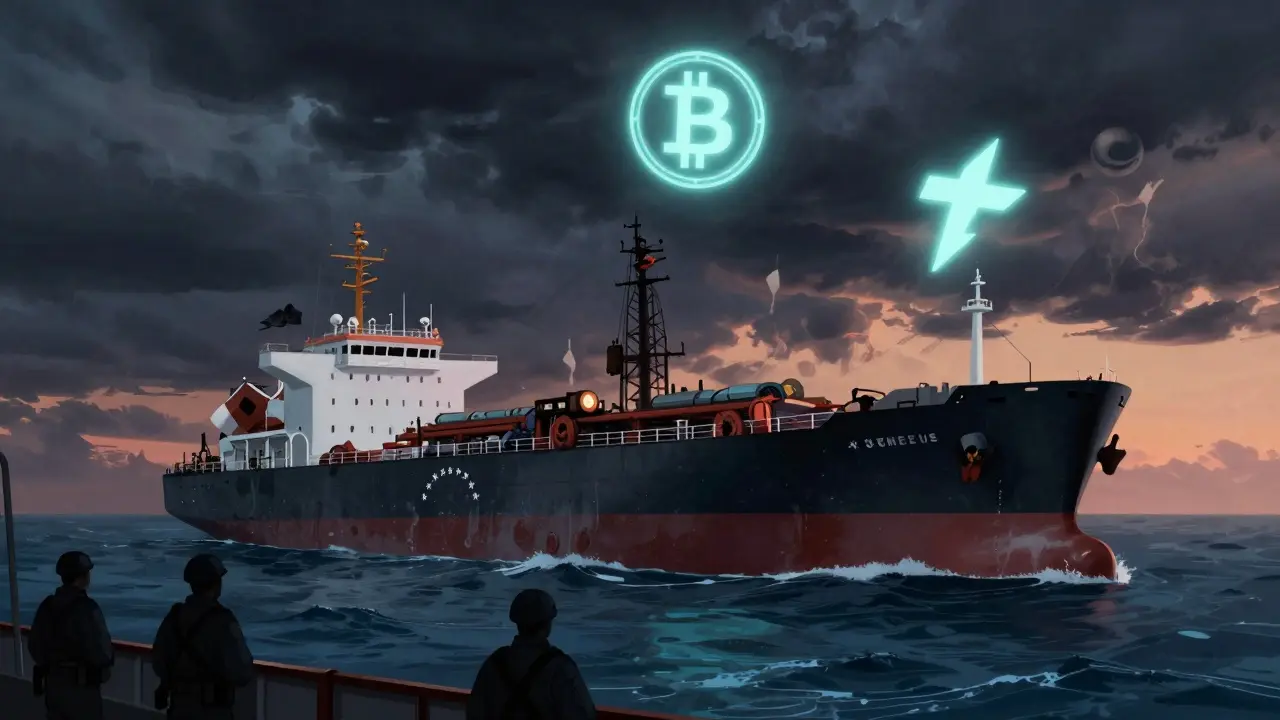
The Venezuelan government didn’t just create a coin-they built a whole pipeline. They licensed seven cryptocurrency exchanges, all under direct state control. The biggest one? Criptolago. Owned by the Zulia state government and run by Governor Omar Prieto, a man personally sanctioned by the U.S. for blocking humanitarian aid. Criptolago became the main gateway for turning oil into crypto-and crypto into cash. Here’s how it worked: PDVSA, Venezuela’s state oil company, would load oil onto tankers. Instead of selling to Western buyers, they’d meet other ships in international waters. No paperwork. No customs. Just a handshake over encrypted channels. Then, in exchange for the oil, they’d receive Bitcoin or USDT (Tether). The crypto would flow into Criptolago, where it was converted into bolívares-or kept as crypto to pay suppliers, buy weapons, or fund loyalists. The U.S. Department of Justice caught wind. In October 2022, they indicted five Russian nationals for helping PDVSA launder money through crypto. One of them admitted in court: “Crypto lets us move money without banks watching.” That’s the whole point.Stablecoins Are the Real Weapon
The PETRO never gained traction outside Venezuela. Too many red flags. Too little trust. But USDT? That’s different. Tether, the stablecoin pegged to the U.S. dollar, became Venezuela’s secret weapon. It’s not volatile like Bitcoin. It’s not tied to a failing government. It’s digital cash that moves like water. Ordinary Venezuelans started using it to buy food, pay rent, or send money to family abroad. But so did the regime. OTC brokers in Caracas now operate like banks-with no licenses, no oversight. You walk in with cash, they give you USDT. You send that to a Russian middleman, and he sends oil money back. It’s a loop. And it’s everywhere. Chainalysis found Venezuela ranked among the top five countries for crypto inflows tied to illicit activity in 2023. Not because of hackers. Because of oil.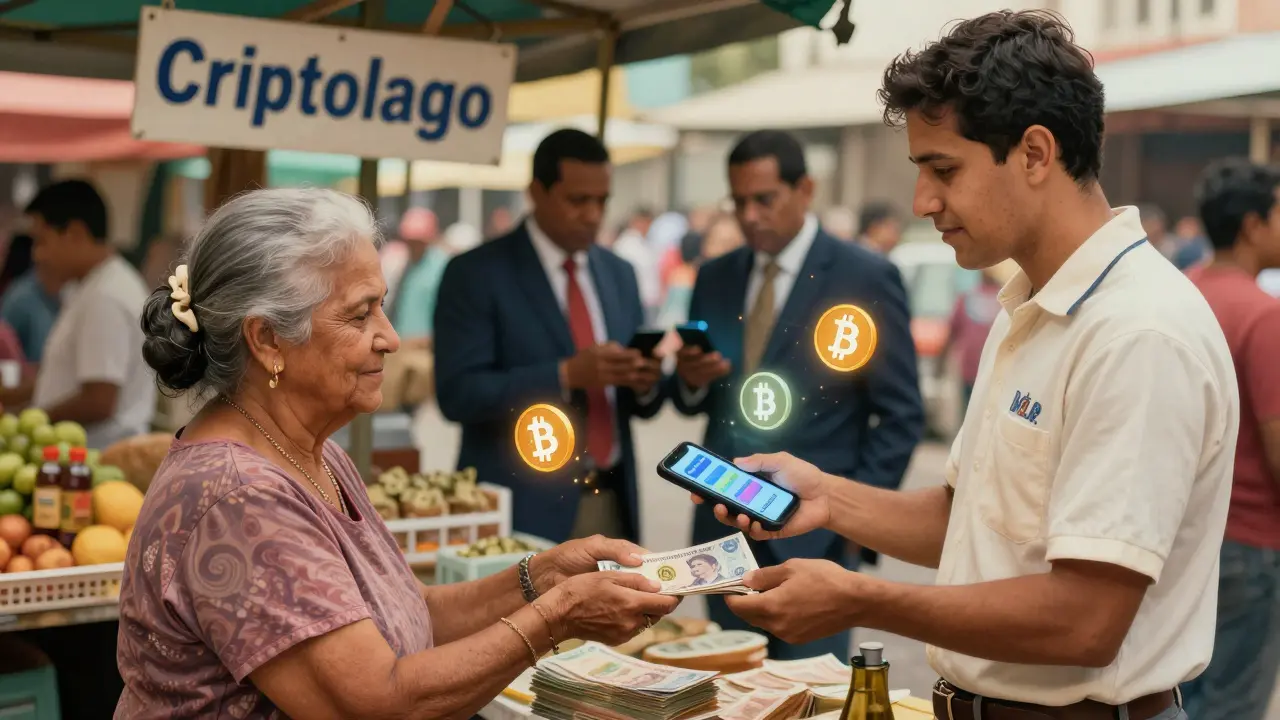
Who Benefits? Who Gets Hurt?
It’s messy. On one side, you have a grandmother in Maracaibo using USDT to buy rice. She’s not breaking the law. She’s just trying to eat. On the other, you have PDVSA executives moving millions through crypto to buy military gear from Iran. Both use the same system. The problem? The entire global crypto industry is now wary of Venezuela. Any exchange that even looks like it’s doing business with a Venezuelan OTC broker risks being blacklisted by U.S. regulators. Fintech companies in Miami, London, and Singapore now run automated checks to flag any transaction with a Venezuelan IP, a known OTC broker, or a wallet linked to PDVSA. It’s not paranoia-it’s compliance. The Wilson Center called it “a critical instrument for the regime to launder its most valuable natural resource: oil.” And they’re right. Crypto didn’t save Venezuela’s economy. But it did keep the regime alive.How Other Sanctioned Nations Are Watching
Russia didn’t need to invent a new coin after 2022. They just watched Venezuela. Now, Russian banks use crypto to pay for Chinese machinery, Iranian fuel, and North Korean weapons. They don’t call it PETRO. They call it “alternative settlement.” But the mechanics? Same thing. Iran, Syria, and even North Korea are testing similar models. The playbook is clear: use stablecoins to bypass banks. Use OTC brokers to hide identities. Use ship-to-ship transfers to avoid customs. And never, ever use the U.S. dollar directly. Venezuela didn’t invent this. But they proved it could work at scale. And now, everyone’s copying them.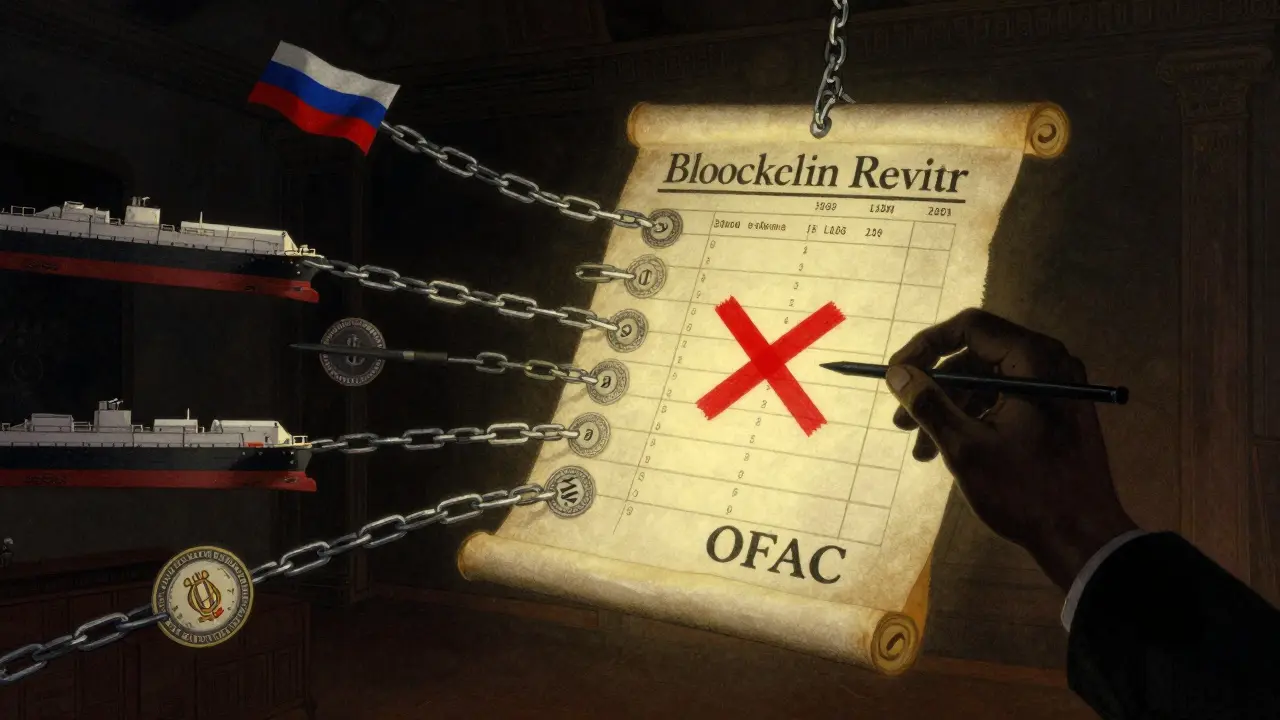
The Crackdown Is Coming
The U.S. isn’t sitting still. OFAC keeps updating its sanctions list. In 2024, they added 17 new crypto wallets linked to Venezuelan oil exports. Blockchain analytics firms like Chainalysis and Elliptic now have AI tools trained to spot Venezuelan patterns: sudden spikes in USDT to wallets with no history, transfers from known OTC brokers, or crypto flowing into exchanges in Turkey or Dubai with no clear source. The next phase? Privacy coins. Monero. Zcash. The regime is testing them now. If they succeed, tracing oil-for-crypto deals will get even harder. But there’s a limit. Every blockchain leaves a trail. And every time a Venezuelan wallet touches a regulated exchange, it leaves a fingerprint. The more they use crypto, the more they expose themselves.It’s Not a Game Anymore
Crypto was supposed to be about freedom. Decentralization. Empowerment. In Venezuela, it became a weapon. Not for the people. For the regime. The same tools that let a teacher in Caracas buy groceries are the same ones that fund a military crackdown. There’s no clean line. And that’s the real danger. Governments aren’t just fighting crypto. They’re fighting the idea that money can be invisible. Venezuela proved it can be. Now, the world is scrambling to catch up.Is it legal to use crypto in Venezuela?
Yes, using crypto is legal in Venezuela-and the government encourages it. But if you’re outside Venezuela and send crypto to a Venezuelan OTC broker or a state-controlled exchange like Criptolago, you could be violating U.S. or EU sanctions. The U.S. Treasury considers transactions involving Venezuelan government-linked crypto entities as prohibited under sanctions rules.
Does the PETRO still matter today?
Not really. The PETRO never gained trust outside Venezuela and is rarely traded on global exchanges. It’s mostly used internally for government payroll or as a token in state-run programs. The real action is in Bitcoin and USDT, which are far more liquid and widely accepted in both legal and illicit markets.
How do ordinary Venezuelans use crypto without getting in trouble?
Most use peer-to-peer apps like Paxful or LocalBitcoins to trade cash for USDT or Bitcoin. They avoid exchanges linked to the government. They never send crypto to known OTC brokers tied to PDVSA. They keep small amounts and rarely move large sums. For them, crypto is a lifeline-not a tool for evasion.
Can crypto help Venezuela’s economy recover?
Not on its own. Crypto helps people survive, but it doesn’t fix broken institutions, corruption, or collapsed infrastructure. It’s a bandage, not a cure. Real recovery would need transparent governance, restored banking, and international investment-all things crypto can’t deliver by itself.
Are other countries using crypto like Venezuela?
Yes. Russia, Iran, and North Korea have all increased crypto use since 2022 to bypass sanctions. But none have built a system as integrated as Venezuela’s. Russia uses crypto mostly for trade with China. Venezuela uses it to keep its oil flowing-and its government in power.
What should crypto exchanges do about Venezuelan users?
Exchanges must apply strict KYC and monitor for red flags: Venezuelan IPs, transfers to known OTC brokers, or sudden large USDT deposits from unverified wallets. Many major exchanges have already blocked Venezuelan users entirely to avoid regulatory risk. The safest move is to assume any Venezuelan crypto activity is linked to sanctions evasion unless proven otherwise.
Crypto is like a double-edged sword 🤷♀️... it lets a grandma buy rice but also funds tanks. We keep calling it 'decentralized freedom' while ignoring who's really holding the knife.
The article presents a compelling narrative, yet it conflates state-sponsored financial evasion with grassroots adoption. The distinction is not merely semantic; it is foundational to understanding the ethical implications of crypto utility under authoritarian regimes.
I just cried reading this. Not because I'm sad, but because it's so real. A woman in Maracaibo holding her baby, scanning a QR code for milk with USDT while a general in Caracas buys missiles with the same coin. It's like the whole world is glitching between survival and sin. We're not just watching a financial revolution-we're watching a soul split in half.
The entire premise is fundamentally flawed. To suggest that crypto 'saved' Venezuela is a gross mischaracterization of economic pathology. The regime merely leveraged technological obfuscation to prolong its own existence. The population did not benefit structurally; they were coerced into a parallel financial ecosystem that further entrenched dependency on illicit networks. This is not innovation-it is institutional decay dressed in blockchain aesthetics.
USA always crying about sanctions but they're the ones blocking food and medicine. Venezuela's just using tools to survive. If your bank freezes your money, you don't sit there and starve-you find a way. Crypto isn't evil, it's just the new frontier. And yeah, maybe the regime uses it too. So what? The people are still alive.
The real insight here isn't the PETRO-it's the quiet dominance of USDT. Stablecoins function as de facto sovereign currency in collapsed states. This isn't just evasion; it's currency substitution at scale. What's astonishing is how little the global financial system has adapted. We've built a trillion-dollar crypto economy... and still treat it like a sideshow. We're not ready for this.
It’s not perfect, but crypto is giving people back their dignity. No one’s asking for a handout-they’re asking to be allowed to buy bread. If the system broke, they rebuilt it with what they had. That’s resilience. And honestly? We should be learning from them, not just policing them.
I just want to say-there’s hope in this mess. People are finding ways to connect, to survive, to care for each other even when the world tries to cut them off. That’s human. And that’s beautiful. We can hate the regime, but let’s not hate the people trying to eat.
This made me so emotional 😭 I know a woman in Miami who sends USDT to her sister in Caracas every week. She says it's the only thing keeping them fed. I never thought money could be so... alive. It's not just digits. It's love. It's survival. Please don't forget that.
You're romanticizing a dictatorship. These people aren't 'surviving'-they're being manipulated. The regime is using their desperation as cover. And you? You're justifying it because it's convenient. That's not empathy. That's complicity.
The systemic vulnerability exposed here is not merely regulatory-it is epistemological. The global financial architecture assumes fungibility, traceability, and institutional accountability. Venezuela has rendered all three obsolete. The next phase of monetary sovereignty will not be state-issued CBDCs-it will be decentralized, opaque, and unregulated. We are witnessing the birth of a new financial paradigm. The question is not whether it will spread-but whether we will recognize it in time.
USDT is the ultimate weapon of financial asymmetry. It's the only stablecoin that actually functions as a global liquidity layer-unregulated, unbacked, and utterly indispensable. The fact that it's being weaponized by kleptocrats doesn't invalidate its utility; it just proves that liquidity trumps legitimacy. Welcome to post-sovereign finance. The banks are already obsolete.
I've seen this in my family too. My cousin in Delhi sends crypto to his brother in Syria. No paperwork. No bank. Just a message and a wallet. It's not perfect. But it's honest. And it works.
The real story isn't crypto. It's that the world still thinks money needs permission. Venezuela proved it doesn't. The regime didn't hack the system. They just ignored it. And now everyone else is playing catch-up.
I just want to say thank you for writing this. It’s not just about politics or money. It’s about people. And sometimes, the most revolutionary thing you can do is just keep breathing-and buying rice.