Cambodia Crypto Asset Classifier
Based on Cambodia's 2025 National Bank regulations, crypto assets are classified into two groups. Enter a cryptocurrency name to check its status under Cambodia's regulated framework.
Common Assets
USDC
EURC
Riel-Backed Stablecoins
Bitcoin
Ethereum
Dogecoin
When you hear "Cambodia banned crypto," it sounds like a total shutdown. But if you dig deeper, the story isn’t that simple. As of late 2025, the National Bank of Cambodia hasn’t outlawed cryptocurrency - it’s trying to control it. The real move wasn’t a ban. It was a redirection.
What Actually Got Banned?
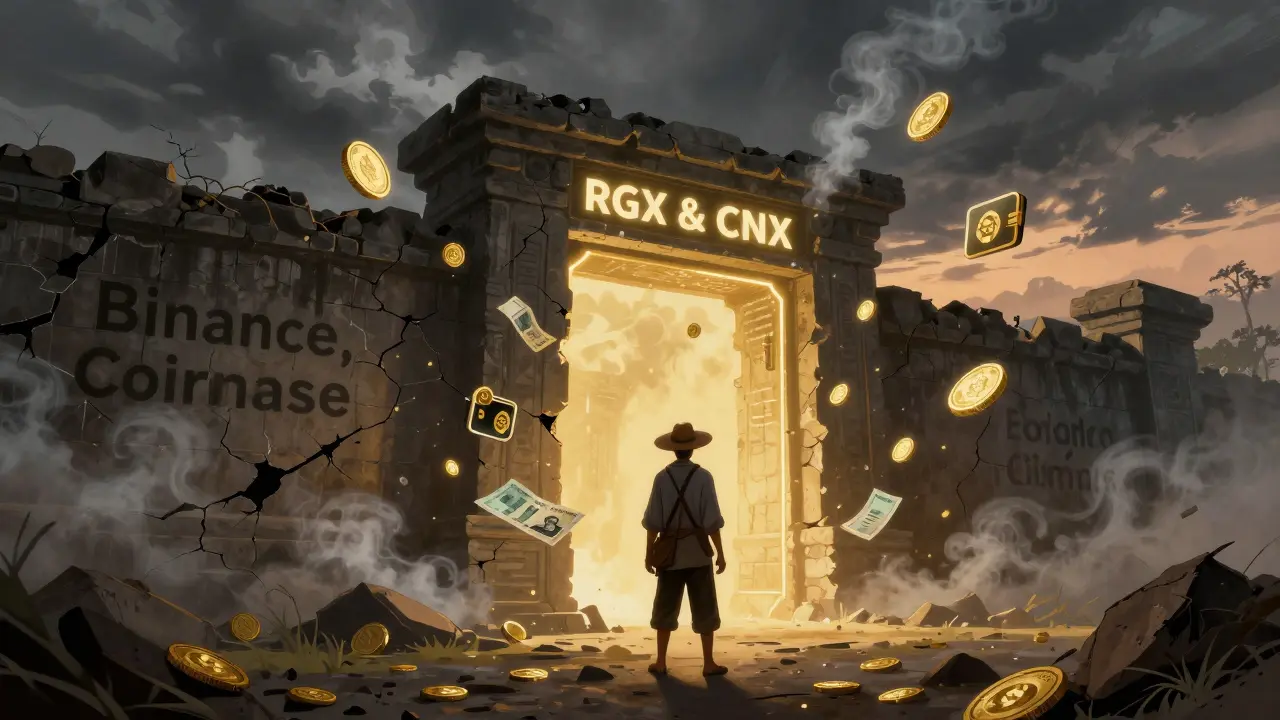
In November 2024, Cambodia’s Telecommunications Regulator blocked 16 major overseas crypto exchanges, including Binance and Coinbase. Over 102 domains were shut down. For users in Cambodia, that meant suddenly being unable to load those sites. Binance alone had around 200,000 Cambodian users at the time. Overnight, access vanished. But here’s the catch: the ban didn’t target crypto itself. It targeted unlicensed platforms. The National Bank of Cambodia (NBC) made it clear: if you want to operate crypto services in Cambodia, you need official permission. No exceptions. The move wasn’t about stopping people from trading. It was about stopping them from trading where the government couldn’t see.The Real Goal: Control, Not Elimination
Cambodia didn’t wake up one day and decide crypto was evil. The NBC had been warning about unregulated crypto since 2018. But enforcement was weak. People kept using offshore exchanges because they were cheaper, faster, and had more coins. Meanwhile, the Cambodian riel struggled against dollarization. Banks weren’t reaching rural areas. Fraud rings were thriving - some even linked to forced labor camps, as U.S. prosecutors exposed in October 2024. So the NBC shifted strategy. Instead of fighting crypto, they decided to own it. They created a two-tier system under Prakas B7-024-735 Prokor, issued in December 2024 and effective in early 2025. Group 1 assets: tokenized securities and approved stablecoins. These are backed, regulated, and low-risk. Think digital dollars tied to real money. Group 2 assets: Bitcoin, Ethereum, Dogecoin - the wild ones. Unbacked, volatile, high-risk. Banks can’t hold these on their balance sheets. Period. The goal? Let people use crypto - but only the kind that doesn’t threaten the riel or the banking system.Who Can Still Offer Crypto Services?
Here’s where it gets interesting. Banks aren’t banned from crypto entirely. They just can’t trade it for themselves. But they can help their customers do it - if they get NBC approval. Authorized banks can now offer:- On-ramping and off-ramping (turning riel into crypto and back)
- Custody services (holding your crypto securely)
- Exchange services for approved assets (Group 1 only)
Bakong: The Real Winner
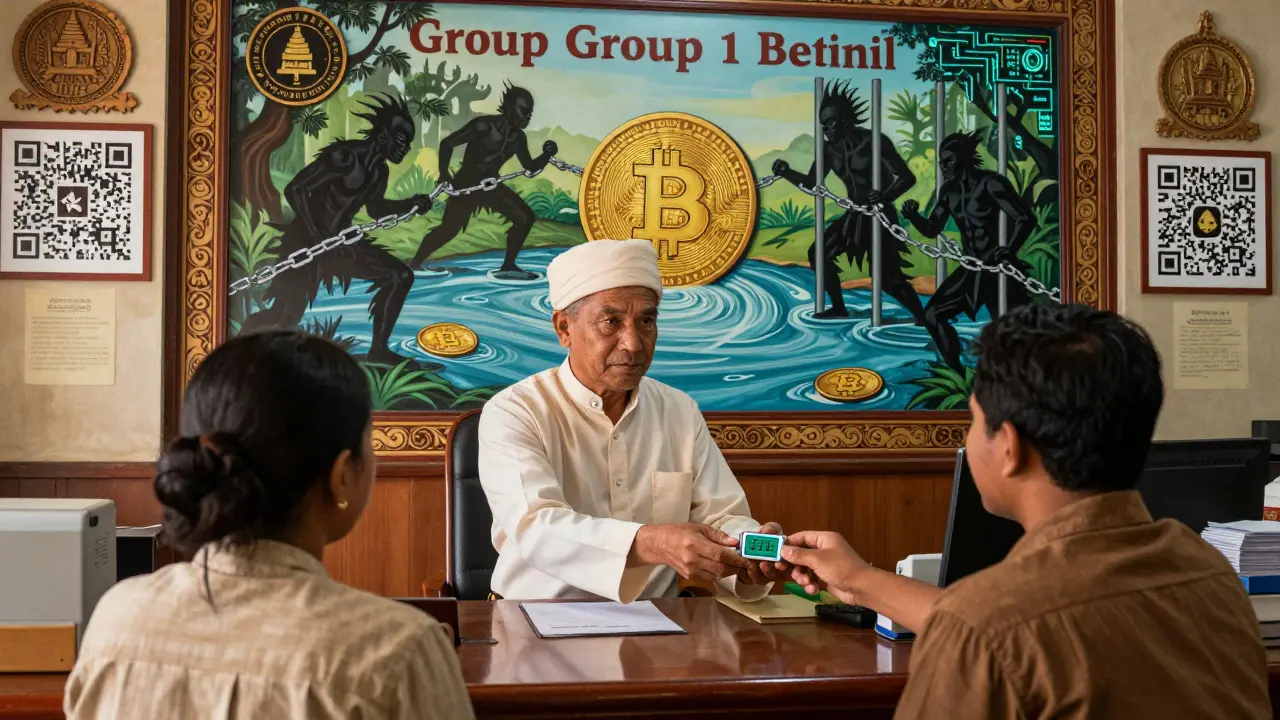
You can’t understand Cambodia’s crypto rules without talking about Bakong. Launched in 2020 with help from Japan, Bakong is Cambodia’s own digital payment system. It’s not a full CBDC - it’s more like a blockchain-backed digital wallet linked to your bank account. You can send money instantly between banks, pay at shops, even transfer to friends - all in riel. By 2024, over 65% of Cambodians were using Bakong. That’s massive for a developing economy. And it’s working. People are moving away from cash. The riel is gaining ground against the U.S. dollar. Crypto wasn’t just a threat to banks - it was a threat to Bakong. If people were using Bitcoin to pay for groceries, why would they use Bakong? Why would they hold riel at all? So the NBC’s crypto rules aren’t just about fraud or money laundering. They’re about protecting a national digital infrastructure that’s already saving millions of people from financial exclusion.Why the Ban Isn’t Working (Yet)
Here’s the problem: people are still getting around the ban. VPNs are cheap. Many Cambodians already use them to bypass internet censorship. Crypto traders? They’re not giving up. They’re just switching to private peer-to-peer networks, Telegram groups, or using offshore wallets with local cash agents. Legal analysts point out the ban’s biggest flaw: it ignores human behavior. If you block the highway, people build dirt roads. The NBC knows this. That’s why they’re not just blocking - they’re building alternatives. The two licensed exchanges need to compete. Can RGX and CNX offer lower fees than Binance? Faster withdrawals? Better customer support? So far, no one knows. But if they can’t, the ban becomes a paper wall.
What’s Next for Cambodia’s Crypto?
The NBC is still working on the next phase. Rules for licensing Crypto Asset Service Providers (CASPs) haven’t been published yet. Banks are waiting on clear guidelines before offering services. The regulatory sandbox is still open - but only for those who play by the rules. Experts expect stablecoins to grow fast. If a bank can offer a riel-backed digital token that works like cash but moves instantly, people might prefer it over Bitcoin. That’s the real endgame: not banning crypto, but replacing it with something better - something the government controls. The U.S. Department of Justice’s crackdown on crypto fraud rings in Cambodia also shows this isn’t just about money. It’s about sovereignty. When criminal networks use crypto to run scams from Cambodian compounds, it damages the country’s global reputation. The NBC is trying to clean that up.What This Means for You
If you’re in Cambodia and want to trade crypto:- You can’t use Binance, Coinbase, or any other offshore exchange - they’re blocked.
- You can only trade on RGX or CNX - the two licensed platforms.
- You can’t buy Bitcoin through your bank unless it’s approved for Group 1 assets (and right now, Bitcoin isn’t one).
- You can use your bank to convert riel to stablecoins - if your bank is approved.
Is Cambodia’s Crypto Ban Working?
The answer? Not yet - but it’s trying. The offshore exchange block has reduced traffic to Binance by over 80% in Cambodia, according to network traffic data. But usage hasn’t disappeared. It’s just gone underground. The real test is whether RGX and CNX can attract users with better service. If they can’t, the ban will look like a failed policy. If they can, Cambodia could become the first country to successfully replace speculative crypto with regulated digital finance - all while protecting its currency and its people. For now, the NBC is playing the long game. They didn’t ban crypto. They’re rewriting the rules - one licensed platform at a time.Is cryptocurrency illegal in Cambodia?
No, cryptocurrency is not illegal in Cambodia. The National Bank of Cambodia has not banned crypto outright. Instead, it has blocked unlicensed overseas exchanges and created a regulated framework that only allows approved platforms and services to operate. Individuals can still trade crypto - but only through licensed domestic platforms like RGX and CNX.
Can I still use Binance in Cambodia?
No, you cannot use Binance or other major offshore exchanges like Coinbase in Cambodia. The Telecommunications Regulator blocked access to these platforms in November 2024. Their websites and apps are no longer accessible without a VPN. Using them violates Cambodian law, and financial institutions are prohibited from facilitating transactions with them.
Can Cambodian banks offer crypto services?
Yes, but only under strict conditions. Approved commercial banks can offer crypto-related services to customers - such as on-ramping, custody, and trading - but only for Group 1 assets (like approved stablecoins). They are banned from holding Bitcoin or other unbacked cryptocurrencies on their balance sheets. All services require prior approval from the National Bank of Cambodia.
What are Group 1 and Group 2 crypto assets in Cambodia?
Group 1 includes tokenized securities and approved stablecoins - digital assets backed by real value like the Cambodian riel or U.S. dollar. These are considered low-risk and are the only ones banks can legally interact with. Group 2 includes Bitcoin, Ethereum, and other unbacked cryptocurrencies. These are high-risk and banned from bank balance sheets. Individuals can still hold them, but only through licensed exchanges.
What is Bakong, and how does it relate to crypto?
Bakong is Cambodia’s national blockchain-based payment system, launched in 2020. It allows users to send money instantly between banks using digital wallets linked to their riel accounts. Over 65% of Cambodians use it. The National Bank of Cambodia sees Bakong as a way to strengthen the riel and reduce reliance on cash and foreign currencies. Crypto, especially Bitcoin, competes with Bakong by offering alternative digital payments - which is why the NBC restricts crypto to protect its own system.
Are there any legal crypto exchanges in Cambodia?
Yes, only two: Royal Group Exchange (RGX) and Cambodian Network Exchange (CNX). These are the only platforms authorized by the National Bank of Cambodia to operate as Crypto Asset Service Providers. All other exchanges, including international ones, are blocked. Users must trade through these two platforms to stay within the law.
Man, this is wild. Cambodia’s not banning crypto-they’re just saying, ‘Hey, if you wanna play, do it on our field.’ Kinda like how Japan handles gambling with pachinko parlors. Smart move.
While I appreciate the structural clarity of Cambodia’s regulatory framework, I must emphasize that the distinction between Group 1 and Group 2 assets represents a nuanced, economically sophisticated approach to financial sovereignty-one that deserves deeper academic scrutiny across emerging markets.
OMG I can't believe people still think this is 'innovation.' It's just state-sponsored financial control disguised as 'protection.' Group 1 assets? More like Group 1 propaganda. And Bakong? Pfft. It's a central bank's wet dream-zero decentralization, zero freedom. #CryptoIsDead
It’s fascinating how Cambodia’s approach flips the script. Instead of fighting tech, they’re using it to lift people out of cash dependency. Bakong’s already helping millions. If RGX and CNX can match that ease, maybe crypto doesn’t need to be wild to be useful.
Look, I get why the government’s nervous. Crypto’s been used for scams, labor trafficking, dollar evasion-it’s a mess. But banning access doesn’t fix the root problem. It just pushes it into dark alleys. The real win here is if Bakong becomes the default digital riel. That’s the real revolution.
So… Bakong is like the crypto we can all trust? 😍 I love that they’re not just saying no-they’re saying ‘here’s something better.’ Hope RGX doesn’t screw it up with fees. 🤞
Okay, let’s be real-this is the most intelligent crypto regulation I’ve seen in years. Most countries panic and ban, or just ignore it until it’s too late. Cambodia? They saw the problem, studied the behavior, built an alternative, and then gave people a reason to switch. It’s not about control-it’s about evolution. And honestly? If my bank offered a riel-backed stablecoin that worked as smoothly as Bakong? I’d ditch Bitcoin in a heartbeat. The fact that they’re letting people trade crypto at all, just under oversight? That’s leadership. Not fear.
They say it’s not a ban-but it’s totally a ban. They’re just using fancy words to hide it. Bakong? That’s a surveillance tool. RGX and CNX? Government front companies. They’re not protecting the riel-they’re locking people into a digital prison. You think they care about fraud? They care about control. Always has been. And the ‘licensed’ exchanges? They’re just the new state-run banks. Welcome to crypto communism.
Group 1 assets are just CBDCs in disguise and everyone knows it why would anyone trust a government that blocks Binance but lets them hold your coins?? Bakong is a trap its not freedom its just different chains
India should copy this. Why let Americans and Chinese control our digital money? Cambodia gets it-money is power. If you don't control the system, you're just a puppet. These guys are building a digital nation. Respect.
It’s worth noting that the legal architecture here-Prakas B7-024-735 Prokor-is unusually precise for a developing economy; it demonstrates a deliberate, incrementalist approach to financial innovation. The bifurcation of assets into Group 1 and Group 2 is not merely regulatory-it’s epistemological: it defines what constitutes ‘value’ within the national monetary ontology. Bakong, then, is not merely a payment system-it’s a sovereign assertion of monetary identity.
So you can’t use Binance but you can still hold Bitcoin? That’s kinda funny. Like saying you can’t drive a car but you can own one in your garage. Guess I’ll just HODL and wait for RGX to drop the fees
This is actually beautiful. Cambodia didn’t fight the future-they built a better version of it. Bakong is already changing lives. If RGX and CNX can keep it simple and cheap, this could be the blueprint for the whole region. No panic, no bans, just smart upgrades. Keep going.