Smart Contract Payout Calculator
How Smart Contracts Work
Smart contracts automatically execute when predefined conditions are met. See how real-world examples like crop insurance or DeFi lending calculate payouts.
Results will appear here
Smart contracts aren’t just theory anymore. They’re running real systems today-paying farmers when it doesn’t rain, transferring house titles without lawyers, and paying musicians every time their song plays. No middlemen. No delays. Just code doing what it was told.
Finance: Automating Money Without Banks
The financial world is where smart contracts first proved they could work at scale. Decentralized Finance, or DeFi, runs entirely on them. Platforms like Aave and Compound let you lend crypto and earn interest without a bank. Your money sits in a smart contract. When someone borrows it, the contract locks the collateral, calculates interest in real time, and returns your funds plus earnings automatically. No loan officer. No paperwork. Just code enforcing the rules. Trade settlement used to take days. Now, on blockchain networks like Ethereum, a trade can clear in minutes. Imagine buying $10,000 worth of Bitcoin from someone in Japan. The smart contract holds your dollars and their Bitcoin until both sides confirm the trade. Once verified, it swaps everything instantly. No clearinghouse. No third-party escrow. The system trusts the code, not a person.Insurance: Paying Out Before You Even Call
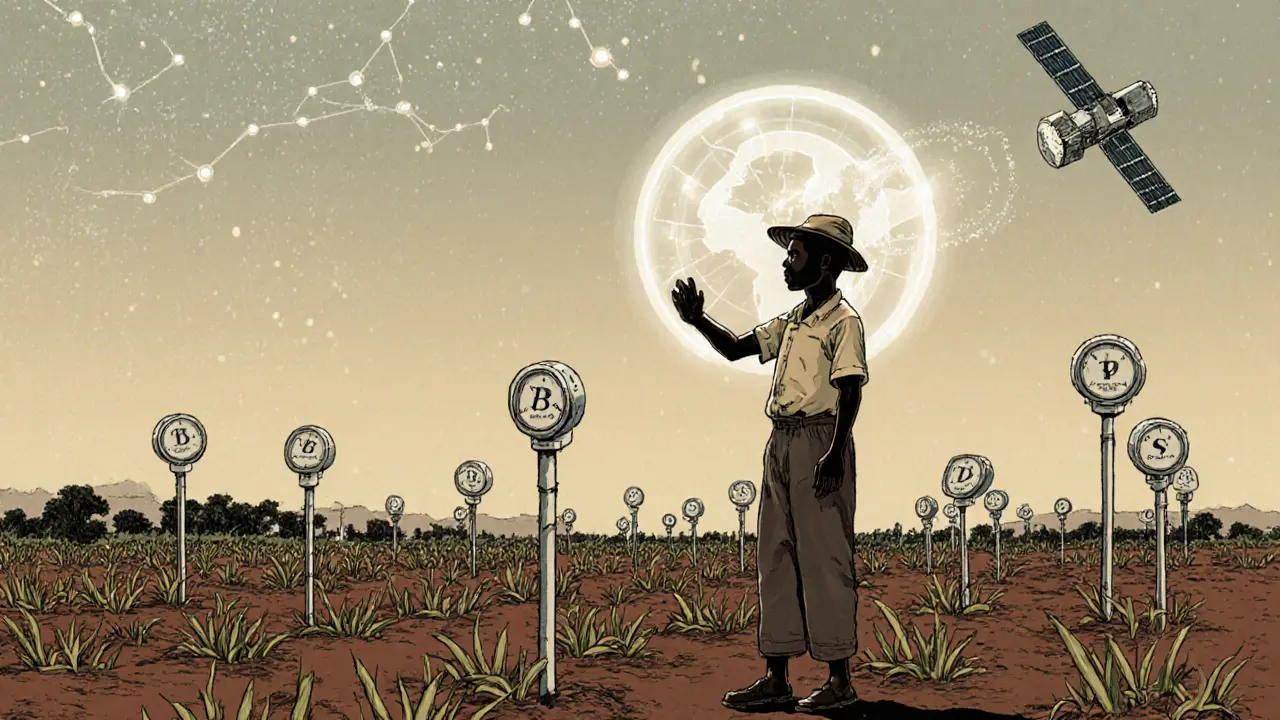
Traditional insurance claims can take weeks. Smart contracts cut that to seconds. Take flight delay insurance. With Etherisc, you buy coverage for a flight. If the flight is delayed more than two hours, the system checks live flight data from trusted sources-like airport APIs or Chainlink oracles-and if the condition is met, your payout hits your wallet automatically. No forms. No phone calls. No arguing with an agent. Farmers in Kenya or Guatemala use similar tech through Arbol. They buy crop insurance tied to rainfall. If the weather station near their land records less than 5 inches of rain in a growing season, the smart contract triggers a payout. No adjuster visits. No disputes over whether the drought was "bad enough." The data speaks for itself.Real Estate: Selling a House Without the Paperwork
Buying a house usually means stacks of documents, notaries, title companies, and weeks of waiting. Smart contracts change that. In pilot programs in places like Vermont and Singapore, buyers and sellers sign digital agreements. The contract holds the buyer’s funds. Once the title is verified on the blockchain, all inspections pass, and both parties confirm completion, the money releases to the seller and the deed transfers to the buyer-all in one automated step. Fraud drops dramatically. Fake titles? Impossible. The blockchain records every transfer since the property was built. No one can alter it. And because the contract handles escrow, there’s no risk of a buyer walking away with the keys before paying, or a seller disappearing with the cash before handing over the deed.Supply Chains: Tracking Coffee from Farm to Cup
Ever wonder if the coffee you bought was really fair trade? Smart contracts make it verifiable. Companies like IBM Food Trust and Provenance use blockchain to track coffee beans from the farm in Colombia to your local shop. Each step-harvest, drying, shipping, customs, roasting-is recorded on the chain. When the beans arrive at the roaster and are scanned in, the smart contract checks: Was the temperature controlled during transit? Did the shipment arrive on time? Were the organic certifications valid? If yes, the farmer gets paid immediately. No waiting for the buyer to process invoices. No disputes over quality. The system doesn’t guess-it knows.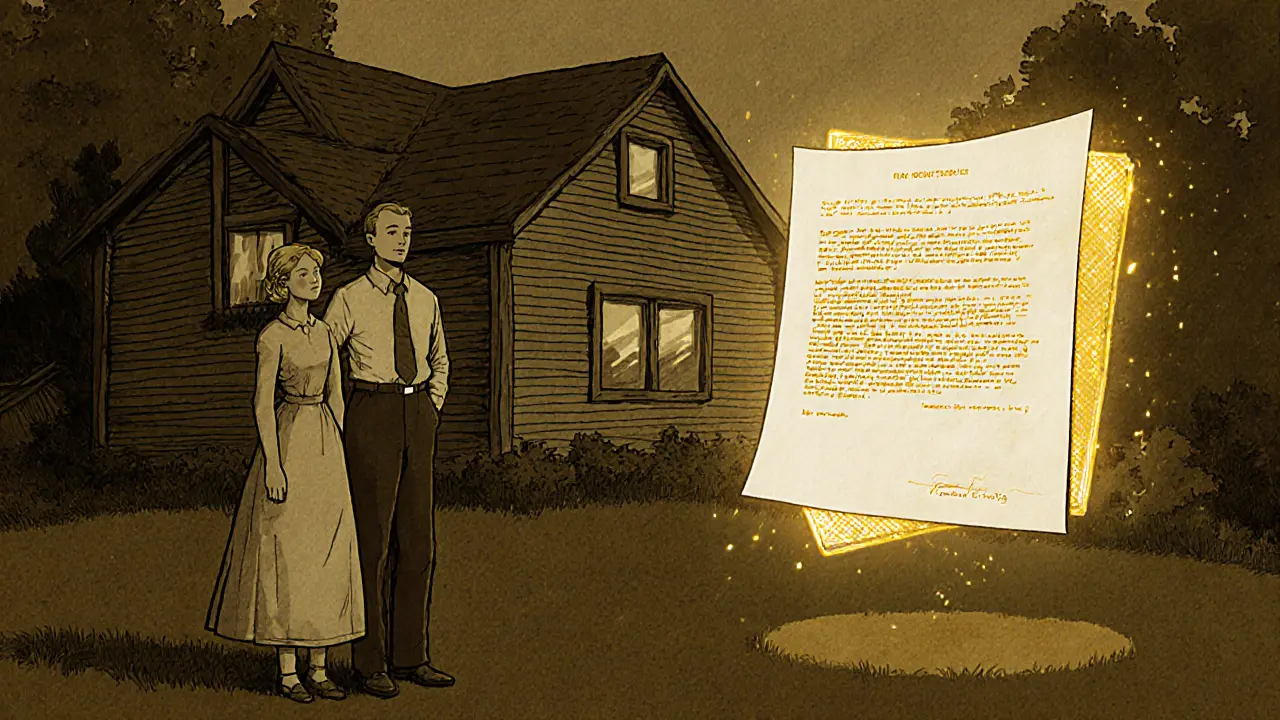
Energy: Selling Solar Power to Your Neighbor
In Australia and parts of California, homeowners with solar panels are selling extra power directly to neighbors. Power Ledger uses smart contracts to make it happen. Your solar panels generate electricity. Your meter records how much you produce and how much your house uses. Any surplus is sent to the local grid. The smart contract sees that your neighbor, who’s running their AC, needs power. It matches the supply and demand, calculates the price based on real-time rates, and transfers the energy. Then it automatically sends payment from your neighbor’s wallet to yours. No utility company taking a cut. No monthly bill. Just clean energy traded peer-to-peer, like texting a friend $5 for lunch.Gaming: Owning Your In-Game Items
In traditional games, your rare sword or skin only exists as a line of code on a server. If the game shuts down? Gone. With smart contracts, your items are yours-forever. Axie Infinity lets players breed, battle, and trade digital creatures called Axies. Each Axie is an NFT, meaning it’s a unique token on the blockchain, owned by you, not the game company. When you sell an Axie on a marketplace, the smart contract handles the sale. It checks that the buyer has enough cryptocurrency, confirms the Axie is yours to sell, transfers ownership, and sends the payment-all in one transaction. You can even earn crypto just by playing. The rules? Written in code. The rewards? Automatic.Advertising: Getting Paid for Real Results
Ever seen an ad that says "Get $10 for every 1,000 clicks"-but you never got paid? That’s because clicks can be fake. Smart contracts fix that. A brand wants to promote a discount code on Instagram. They set up a smart contract: pay $500 when the code is used 100 times, and only if those uses come from real, unique users. The contract connects to the brand’s sales system. Every time someone enters the code at checkout, it’s recorded on-chain. Once 100 legitimate purchases happen, the payment auto-releases to the influencer’s wallet. No more fake traffic. No more waiting for a check. Just results, verified and paid instantly.
smart contracts are cool until you realize the code can’t account for a kid throwing a rock at the weather station and faking a drought payout. data is only as good as the people feeding it.
This is why we can’t have nice things. People think automation means justice, but it just means the rich get richer while the poor get algorithmically screwed. A farmer in Kenya gets paid because of rain? Great. But what if the sensor breaks? Or the oracle gets hacked? No human oversight? That’s not progress-that’s negligence dressed up in blockchain.
I love how this isn’t sci-fi anymore. I watched a guy in Austin sell his solar power to his neighbor last week. No utility company. No bill. Just a transfer. It felt like the future showed up unannounced and handed me a coffee. This is the good stuff.
This is amazing. It’s clear, it’s logical, and it works. Every single example here is grounded in real-world use. No hype. No buzzwords. Just code doing what it’s supposed to do. We need more of this.
The real question isn’t whether the code works but whether we’re ready to let go of the idea that humans need to be in the middle of everything. Maybe fairness isn’t about trust in people. Maybe it’s about trust in systems that don’t lie
The elegance of this is not in the technology-it is in the quiet revolution of dignity. A musician in Nashville receives a micro-payment every time her voice echoes through a stranger’s headphones. No label. No middleman. No silence. Just the sound of her art being honored, in real time, without apology. This is poetry written in hexadecimal.
Oracles are centralized. The whole thing is a honeypot for the NSA. You think a weather station in Kenya isn’t being monitored? Or that the blockchain ledger isn’t being backdoored by some Fed-connected firm? This isn’t freedom. It’s surveillance with a blockchain sticker on it.
This is the future we should be building. Transparent. Fair. Efficient. No one is being exploited. No one is being left behind. The system works for everyone. That is not a small thing.
so like... if my dog barks and the mic picks it up and thinks its rain, does the farmer get paid?
in india we have farmers who wait months for payment even with middlemen. if this works even half as good here it will change everything
This is a trap. Automated payouts mean no appeals. No mercy. No human judgment. What happens when the algorithm is wrong? You don’t get a second chance. You just get erased.
I can’t believe how many people still think this is just about crypto. This is about removing the greed. This is about making systems that don’t need to be bribed, don’t need to be flattered, don’t need to be manipulated. This is about justice that doesn’t sleep.
oh wow so now my coffee is on the blockchain and my soul is on a smart contract? next theyll automate my breakup texts
I used to think this was all hype. Then I saw a guy in Ohio get paid $3.47 for 12 minutes of solar power sold to his neighbor. He smiled. Just a little. But he smiled. That’s all I needed to see.
New Zealand has been doing peer-to-peer energy trading since 2018. Why are Americans only noticing now? Because they’re too busy arguing about who owns the blockchain instead of using it. Typical.
this is the kind of stuff that makes me feel like we’re not all doomed 😊
You think a farmer in Kenya cares about your oracle security concerns? He cares that his kid ate today. The system works. That’s more than the banks ever did for him.