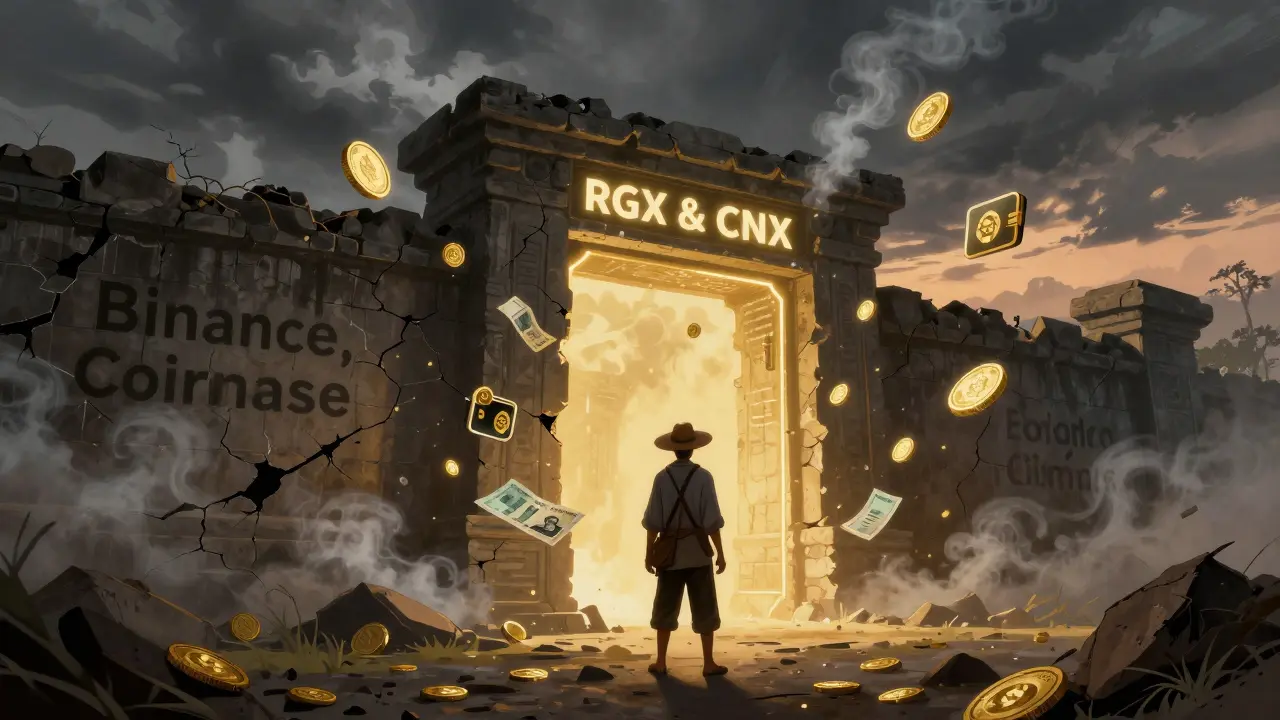
Binance ban Cambodia: What Happened and How It Affects Crypto Users
When Binance, the world’s largest cryptocurrency exchange by volume, used by millions globally, was banned in Cambodia in 2023, it wasn’t just a regulatory hiccup—it was a wake-up call for crypto users across Southeast Asia. The Cambodian government cited concerns over unregulated financial activity, money laundering risks, and the lack of licensing from the National Bank of Cambodia. This wasn’t about stopping crypto—it was about stopping uncontrolled crypto. Binance had been a go-to for Cambodians looking to bypass traditional banking limits, hedge against inflation, or send money abroad cheaply. But without local compliance, the exchange became a target.
The ban forced thousands of users to shift to peer-to-peer (P2P) platforms or smaller exchanges, many of which lacked security or support. Meanwhile, crypto regulation Cambodia, the evolving legal framework governing digital asset use in the country began tightening. The government started pushing for licensed local platforms and demanded KYC/AML compliance from all crypto services. This mirrors what happened in Nigeria and Vietnam—where crypto adoption surged despite bans, until regulators realized they couldn’t stop it, so they tried to control it. crypto crackdown, a global trend where governments move from ignoring crypto to aggressively restricting it is real, and Cambodia was just one of many countries catching up.
What’s often missed is how this affected everyday people. In Cambodia, crypto wasn’t just for speculators—it was used by farmers selling rice online, students receiving remittances from abroad, and small businesses paying suppliers. When Binance got blocked, many lost access to their funds overnight. Some turned to Binance exchange, the platform that once offered low fees and fast transactions via VPNs, risking account freezes or scams. Others switched to decentralized wallets, learning to manage their own keys—a steep learning curve for non-tech users.
Today, Cambodia’s crypto scene is quieter, but not dead. P2P trading is thriving. Local exchanges are popping up with government approval. And users are more cautious. The Binance ban didn’t kill crypto in Cambodia—it forced it to grow up. Below, you’ll find real stories and breakdowns of how crypto regulations shape user behavior, what happens when big exchanges get kicked out, and how to stay safe when the rules change overnight.