Central Bank of Nigeria and Crypto: How Africa’s Largest Economy Shapes Digital Finance
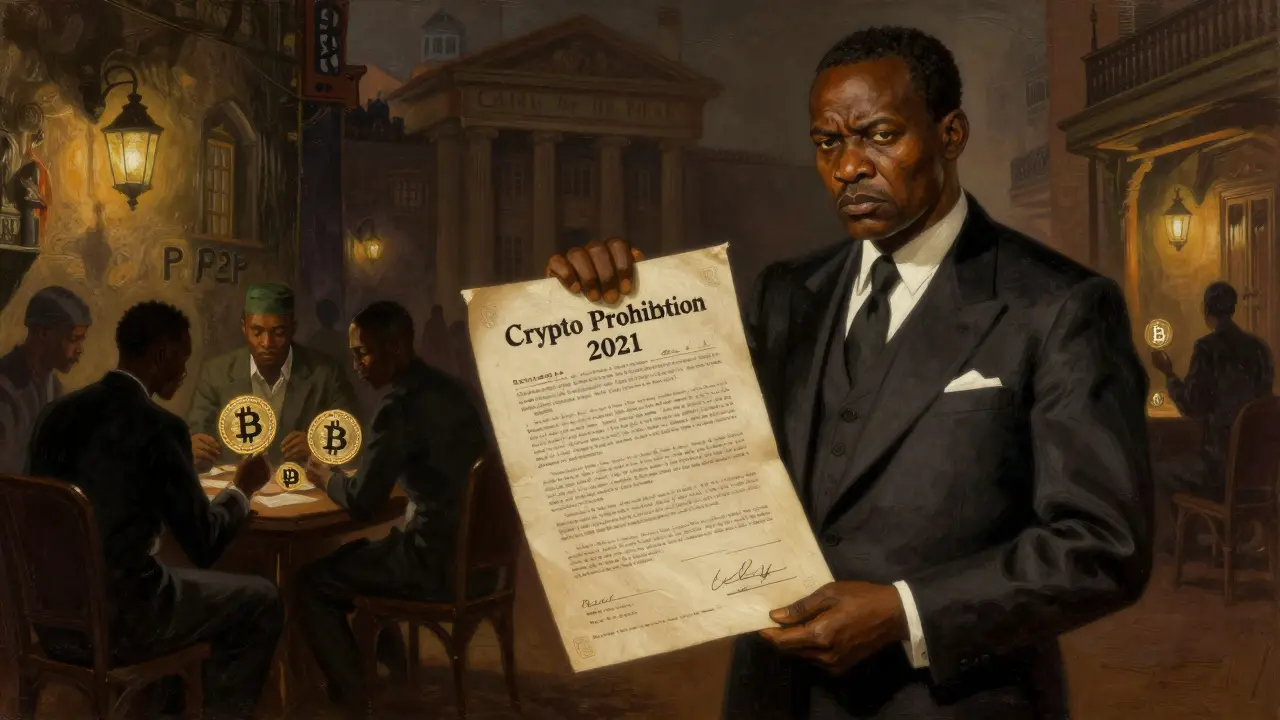
When you think of the Central Bank of Nigeria, the government institution that controls monetary policy and issues the naira, the official currency of Nigeria. It's known for cracking down on crypto—but that’s only half the story. In 2021, it banned banks from handling crypto transactions. But instead of killing adoption, it pushed millions of Nigerians to use peer-to-peer platforms, stablecoins, and decentralized tools to survive inflation and access global markets. Today, Nigeria has over 22 million crypto users—the highest in Africa and among the top five globally.
The CBDC Nigeria, the digital version of the naira, officially called the eNaira, launched by the Central Bank of Nigeria in 2021. It was meant to replace cash and reduce reliance on foreign currencies. But it never caught on. People didn’t trust it. They didn’t need it. Why use a government-controlled digital dollar when you can hold USDT and send it across borders for less than $0.10? The crypto regulation Nigeria, the evolving set of rules and enforcement actions by Nigerian authorities toward digital assets. It’s messy, inconsistent, and often contradictory—but that’s exactly why crypto thrives here. When banks freeze accounts and remittance fees hit 20%, crypto isn’t a trend—it’s survival.
What’s happening in Nigeria isn’t unique—it’s a preview. Countries with weak financial systems, high inflation, and restricted access to dollars are turning to crypto not because they love blockchain, but because they have no other choice. The Nigerian crypto users, the millions of everyday people using crypto for payments, savings, and remittances despite official restrictions. They’re not traders—they’re parents, drivers, small business owners. They use P2P apps like Paxful and Binance P2P to buy USDT with cash, pay for groceries, or send money home to relatives in the UK or the US. No bank approval needed. No waiting days for a wire.
The Central Bank of Nigeria didn’t stop crypto. It accidentally created one of the most organic, real-world crypto economies on the planet. And while regulators argue over licensing and compliance, Nigerians are already using crypto as money—every day, in ways that no whitepaper ever predicted. Below, you’ll find deep dives into how this works: which tokens people actually use, how scams exploit the system, what regulators are trying to hide, and why this isn’t just about Nigeria—it’s about the future of money in the Global South.