Crypto Adoption in Nigeria: How People Bypassed the Ban and Built a Digital Economy
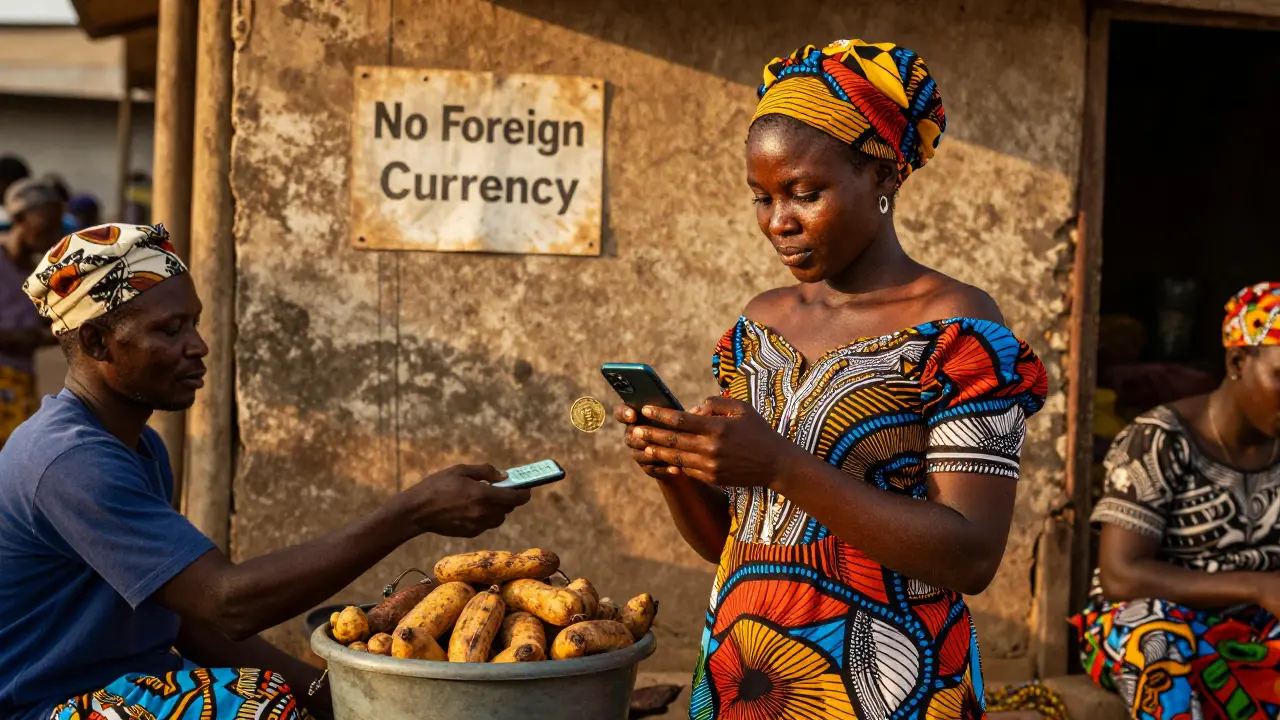
When the Central Bank of Nigeria, the country’s financial regulator that banned banks from serving crypto businesses in 2021 cracked down on crypto exchanges, no one expected it to backfire. But instead of killing crypto, the ban forced millions of Nigerians to build a parallel financial system — one powered by P2P crypto trading, peer-to-peer platforms where users trade directly without banks, Tether (USDT), a stablecoin pegged to the U.S. dollar that became Nigeria’s unofficial currency, and a network of local traders who swapped cash for crypto in markets, cafes, and even motorcycle taxis. This wasn’t a fringe movement — it was survival.
By 2023, the government had no choice but to reverse course. The SEC Nigeria crypto, the Securities and Exchange Commission, which now regulates crypto as a financial asset stepped in to license exchanges, and banks were told they could serve compliant platforms again. But here’s the twist: most Nigerians never went back to banks. They kept using P2P apps like Paxful and Binance P2P because they’re faster, cheaper, and more reliable than local banking. Why? Because inflation crushed the naira, and crypto became the only way to protect savings. A student in Lagos might earn crypto from freelance gigs, convert it to USDT, and use it to pay for rent or buy groceries — all without touching a bank account. Meanwhile, small businesses accept crypto payments to avoid currency controls and high fees. This isn’t speculation — it’s daily life.
The truth is, Nigeria didn’t just adopt crypto — it reinvented how money works there. The crypto adoption Nigeria story isn’t about getting rich from meme coins or chasing airdrops. It’s about people using technology to take control when institutions failed them. What you’ll find in these posts are real examples: how Nigerians traded through bans, how regulators finally caught up, why stablecoins are more trusted than local banks, and which platforms actually work in this environment. No fluff. No hype. Just what’s happening on the ground — and what you can learn from it.