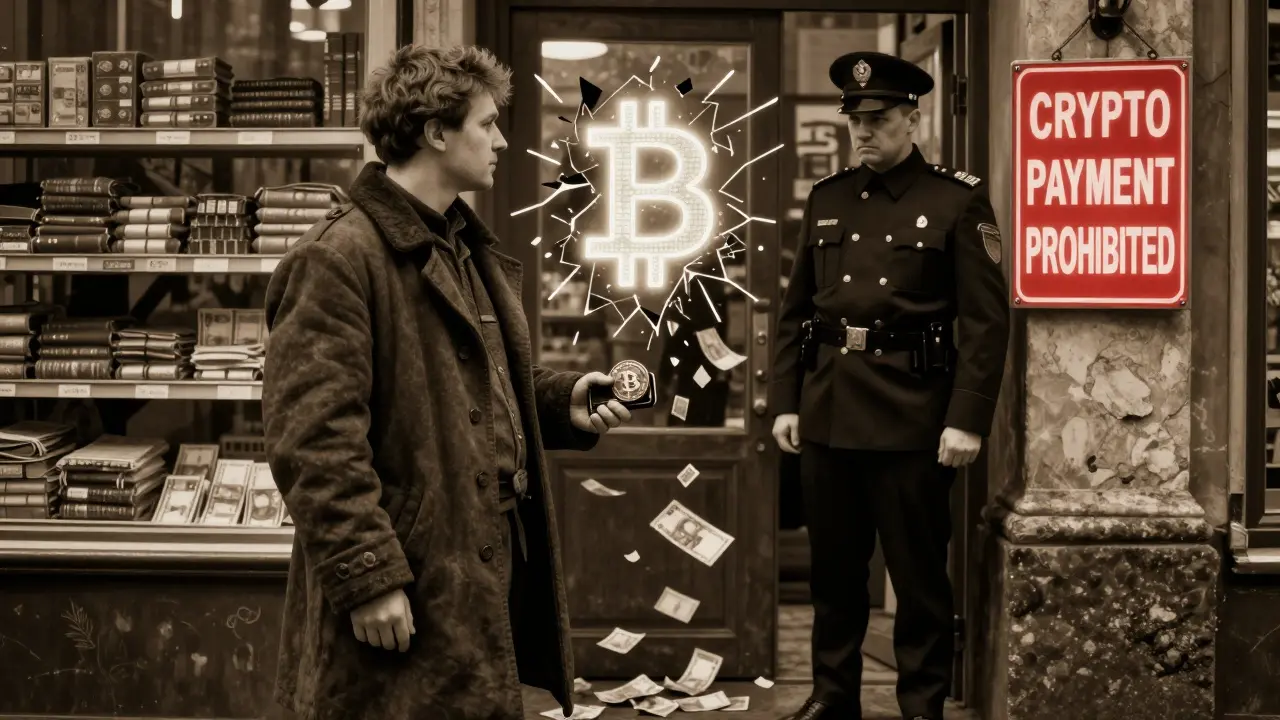
Crypto Regulation in Russia: What's Really Happening and How It Affects You
When you hear crypto regulation Russia, the set of laws and enforcement actions the Russian government uses to control cryptocurrency use, trading, and mining. Also known as Russian cryptocurrency laws, it's not just about banning crypto—it's about control, cash flow, and survival. Unlike the U.S. or EU, Russia didn’t go all-in on banning Bitcoin. Instead, it walked a tightrope: allowing crypto as property while blocking it as payment, taxing miners but not users, and quietly letting people use crypto to dodge sanctions.
One big thing people miss: crypto mining Russia, the legal and illegal operation of cryptocurrency mining rigs within Russia’s borders, often powered by cheap electricity and tolerated by local authorities is still alive. Even after the 2022 energy export restrictions, Russia became one of the top five global mining hubs—not because it’s pro-crypto, but because it’s pro-energy profit. Miners use excess power from Siberian plants, and the state looks the other way as long as taxes are paid and foreign exchanges aren’t used. But if you’re a regular user trying to buy Bitcoin? You’re stuck. The Central Bank of Russia has blocked banks from processing crypto transactions since 2023, and using foreign exchanges like Binance or Coinbase can get you fined—or worse.
crypto taxes Russia, the requirement for Russian residents to report and pay income tax on crypto gains, even if the assets are held overseas is real. The tax authority, FNS, started tracking wallet addresses in 2024. If you sold Ethereum for rubles or bought a car with Bitcoin, you owe 13% income tax. No one’s auditing every wallet yet—but they’re building the system. And if you’re sending crypto out of Russia? You need official permission. The government calls it "capital control." You call it a wall.
Then there’s the elephant in the room: Russian crypto laws, the patchwork of decrees, bans, and loopholes that define how crypto can and can’t be used in Russia. They don’t ban holding crypto. They don’t ban mining. But they ban using it to pay for goods, ban foreign exchanges, ban anonymous wallets, and ban any crypto activity that bypasses the ruble. The goal? Keep money inside the system. That’s why people use P2P platforms like LocalBitcoins or Telegram groups to trade USDT for cash. It’s not legal—but it’s the only way.
And don’t forget the geopolitical angle. With Western sanctions cutting off Russia from global finance, crypto became a lifeline. Oil and gas exports now often get paid in Bitcoin or Tether. It’s not perfect—gas fees eat into profits, and exchanges freeze accounts—but it works. That’s why Russia’s stance isn’t about stopping crypto. It’s about owning it. The state wants to control the flow, not eliminate it.
What does this mean for you? If you’re in Russia, you’re playing a high-stakes game with rules that change monthly. If you’re outside Russia and holding Russian-linked tokens? You’re exposed to sudden freezes or delistings. The posts below cut through the noise. You’ll find real stories from people who bought crypto during the ban, miners who kept running rigs in freezing warehouses, and traders who turned USDT into cash under the radar. No theory. No fluff. Just what’s happening on the ground.