Cryptocurrency Nigeria: How Nigerians Use Crypto, Avoid Bans, and Trade Smart
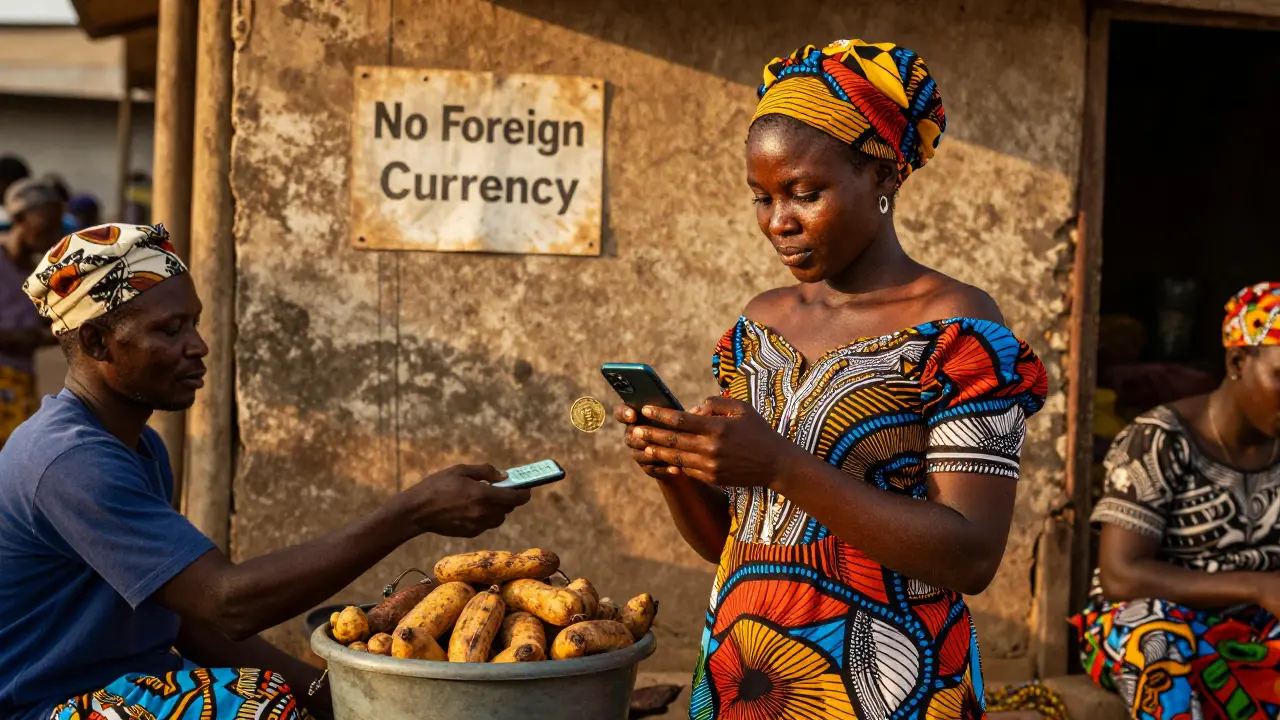
When it comes to cryptocurrency Nigeria, a grassroots financial movement driven by youth, remittances, and economic pressure. Also known as Nigerian crypto adoption, it’s not just about trading Bitcoin—it’s about survival. Even after the Central Bank of Nigeria banned banks from serving crypto exchanges in 2021, people kept using it. Why? Because inflation ate up salaries, the naira lost value, and remittances from abroad became impossible through traditional channels. So they turned to P2P platforms like Paxful and Binance Peer-to-Peer, buying USDT with cash, airtime, or bank transfers.
The government didn’t stop crypto—it just tried to control it. By 2023, the ban was reversed. Now, crypto regulation Nigeria, a framework under the Securities and Exchange Commission (SEC) that licenses exchanges and tracks users. Also known as VASP Nigeria, it’s the official way to operate legally. But most Nigerians still trade outside the system. Why? Because licensed exchanges charge more, require heavy ID checks, and move slower than WhatsApp-based deals. P2P trading dominates—over 70% of crypto volume in Nigeria happens this way. You don’t need a bank account. You just need a phone, a trusted buyer, and a local market like Lokoja or Aba where people swap cash for USDT in parking lots or coffee shops.
It’s not all smooth. Scams are everywhere. Fake airdrops claiming to be from SEC Nigeria crypto, a government body that now oversees crypto platforms but doesn’t offer free tokens. Also known as Nigerian crypto watchdog, it’s a common name scammers misuse to trick people into sending money. You’ll see posts saying "Get free $HYPERSKIDS tokens if you send 0.1 ETH"—but those tokens are worthless, and the team vanished. Same with Karatgold Coin and Cryptomeda. People lost thousands. That’s why the most trusted guides here focus on what’s real: how to spot scams, how to claim legitimate airdrops like Swash or SoccerHub, and how to avoid getting locked out of your wallet.
And then there’s the tax angle. Nigeria doesn’t have clear crypto tax laws yet—but the FIRS is watching. If you’re earning from trading or mining, you might owe taxes. Some use crypto to pay for services abroad, bypassing currency controls. Others send money home to family using Tether, avoiding Western Union fees. It’s messy, illegal in parts, but alive.
What you’ll find below isn’t theory. It’s what Nigerians are actually doing. From the 2021 crypto banking ban reversal to how a 19-year-old in Port Harcourt earns $300/month trading USDT for airtime, these posts show the real story. You’ll learn which exchanges are safe, which tokens are dead, and how to protect yourself in a market where trust is rare and opportunity is everywhere.