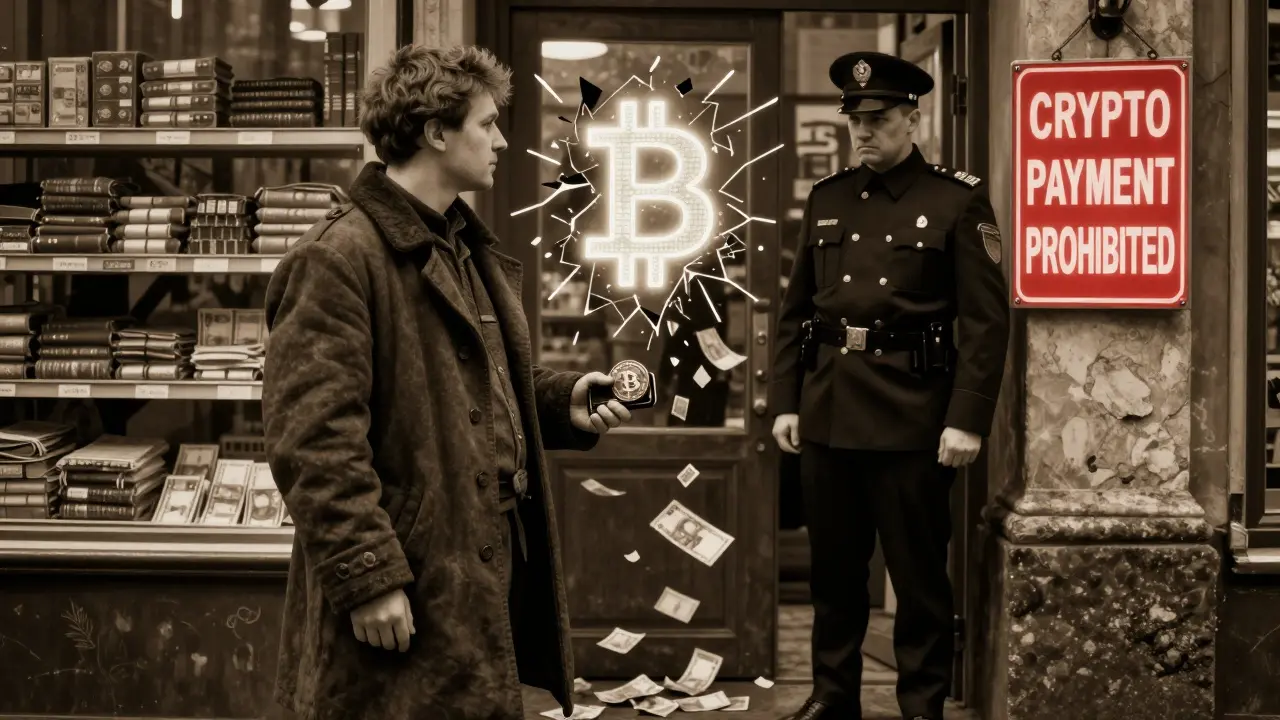
International Crypto Trade Russia: How Russia Navigates Global Crypto Markets
When you hear international crypto trade Russia, the way Russia uses cryptocurrency to move money across borders despite Western sanctions. Also known as crypto sanctions evasion, it’s not theory—it’s daily practice. After 2022, Russian businesses, exporters, and even ordinary citizens turned to Bitcoin, Tether, and other digital assets to keep trade alive. Banks were cut off. SWIFT was blocked. But crypto? It kept flowing.
This isn’t just about hiding money. It’s about survival. Russian oil exporters now accept crypto payments from buyers in India, Turkey, and China. State-backed platforms like the Petroleum Petro, Russia’s failed state-backed cryptocurrency launched in 2017. Also known as PETRO cryptocurrency, it’s mostly irrelevant today didn’t work—but decentralized tools did. Tether (USDT) became the new ruble in many transactions. You can’t buy oil with dollars in Russia? Fine. You pay in USDT. The buyer gets oil. The seller gets stable value. No banks needed.
And it’s not just oil. Russians use crypto to pay for imports, send remittances, and even buy foreign goods online. The Central Bank of Russia doesn’t endorse crypto, but it also doesn’t stop it. Meanwhile, peer-to-peer exchanges like LocalBitcoins and Paxful exploded in usage. Wallets are filled, not with speculation, but with practicality. This is crypto sanctions evasion, the use of blockchain to bypass financial restrictions imposed by governments. Also known as sanctions circumvention, it’s now a global strategy in action—and it’s working.
What you won’t hear in Western media is how many Russians now treat crypto like cash. Stablecoins are used for groceries, rent, and salaries. Gas fees? Irrelevant. The real cost is the risk of getting caught. That’s why mixing services and privacy coins like Monero are quietly popular. The same tools that North Korea uses to launder stolen crypto? Russians use them to pay their bills.
There’s no official crypto law in Russia—but there’s a de facto system. It’s messy, underground, and growing. And it’s changing how the world sees digital money. This isn’t about ideology. It’s about access. When your traditional financial system is locked down, crypto isn’t a luxury—it’s the only lifeline.
Below, you’ll find real cases, broken-down analyses, and hard truths about how crypto is being used in Russia—and what it means for the rest of the world. No fluff. No hype. Just what’s actually happening.