Nigeria Crypto Market: Regulations, Bans, and How Nigerians Trade Anyway
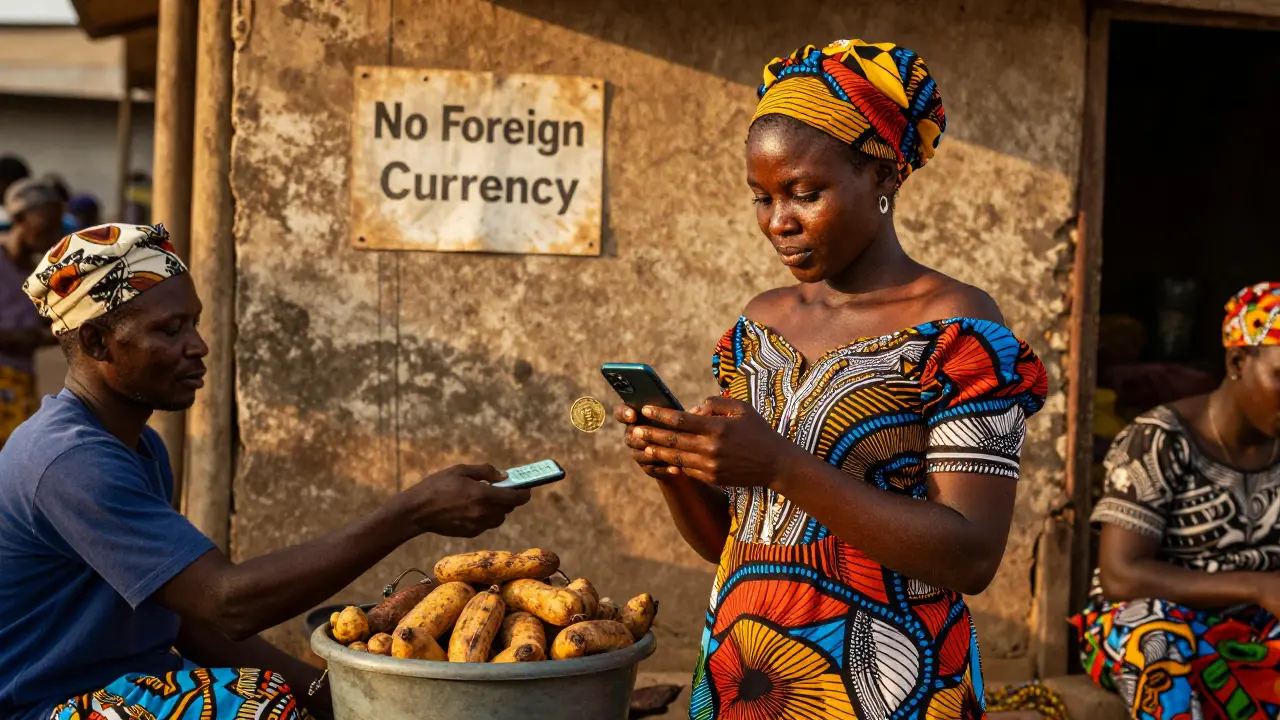
When the Nigeria crypto market, the decentralized digital finance ecosystem that emerged after the Central Bank of Nigeria’s 2021 banking ban. Also known as Nigerian crypto adoption, it grew despite official pressure because millions needed a way to send money, save value, and earn income outside a broken banking system. The Central Bank of Nigeria tried to shut it down in 2021 by ordering banks to cut off crypto exchanges. But people didn’t stop trading—they just moved underground. Peer-to-peer (P2P) platforms like Paxful and Binance P2P exploded. Nigerians started buying Bitcoin and USDT with cash, airtime, and bank transfers disguised as personal payments. By 2023, Nigeria was the #1 country in the world for P2P crypto volume, according to Chainalysis.
The ban didn’t work because crypto wasn’t a luxury—it was survival. With inflation hitting 30% and the naira losing value weekly, people turned to crypto to protect their savings. Students paid tuition in USDT. Freelancers got paid in Bitcoin. Small businesses accepted crypto to avoid bank fees and delays. The Central Bank of Nigeria, the country’s monetary authority that initially banned crypto-related bank transactions realized it couldn’t stop what the people had already adopted. So in 2023, they reversed course. Now, licensed exchanges can legally operate, and banks are allowed to serve them. But the real story isn’t the policy shift—it’s what happened in between. The SEC Nigeria crypto, the Securities and Exchange Commission that now regulates crypto as a financial asset stepped in to bring order, requiring exchanges to register, verify users, and report suspicious activity. This made the market safer, but it didn’t kill P2P. It’s still the backbone of the ecosystem.
What you’ll find in these posts is a clear picture of how Nigeria’s crypto scene evolved—not from hype, but from necessity. You’ll see how the Nigeria crypto market became a case study in grassroots financial innovation. You’ll read about how people bypassed restrictions, what regulators finally accepted, and why this market still thrives even as other countries clamp down. There’s no sugarcoating here: some projects failed, scams popped up, and trust was hard to earn. But the people kept going. And that’s what makes Nigeria’s story unique. This collection doesn’t just cover rules and reports—it shows real lives using crypto to build something better, one transaction at a time.