Russia Crypto Ban: What Happened and How It Changed Global Crypto Moves
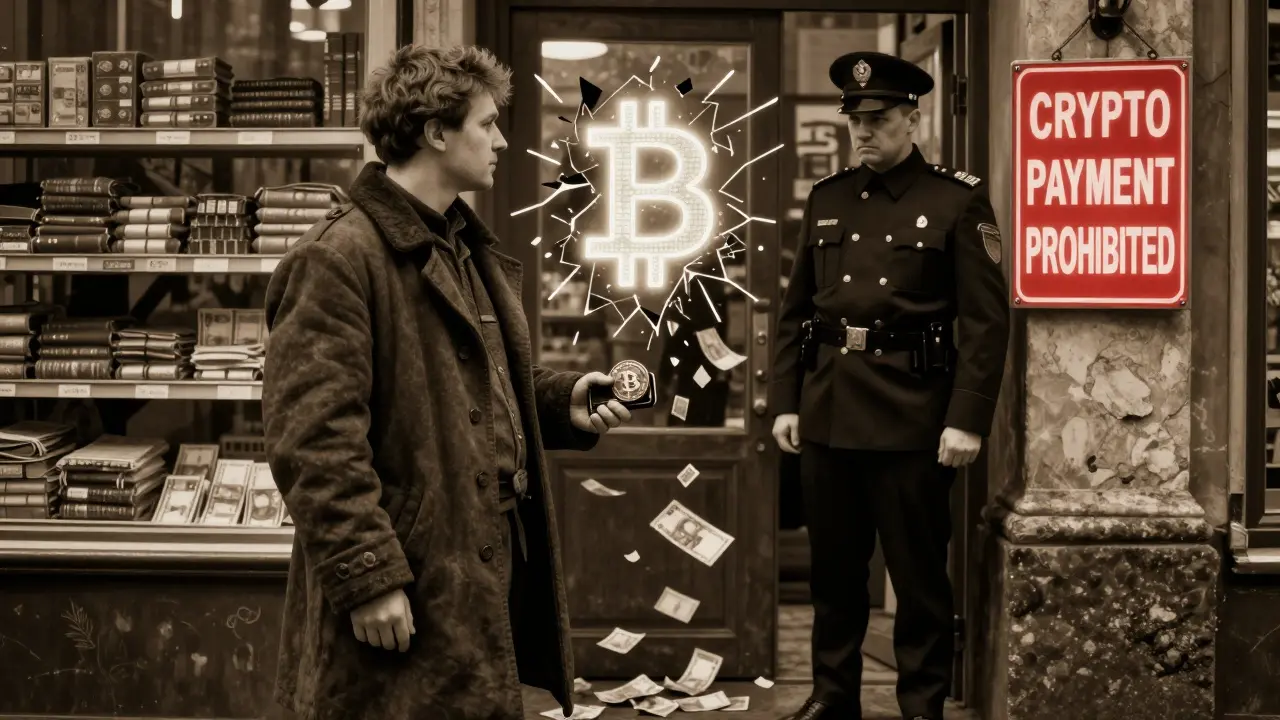
When Russia crypto ban, a 2022 policy that prohibited using cryptocurrencies as payment while still allowing ownership and trading. Also known as crypto payment restrictions, it wasn’t a full crackdown—it was a strategic cage. The government didn’t want people bypassing the ruble, but it also didn’t want to push crypto users into the open arms of Western exchanges. So they made it illegal to pay for coffee with Bitcoin, but perfectly legal to hold it in a wallet or trade it on foreign platforms. This half-step created a weird new reality: Russians stopped using crypto as money, but started using it as a shield.
That shield? It wasn’t just for everyday people. It became a tool for crypto sanctions, measures imposed by Western nations to cut off Russia’s access to global financial systems. Also known as financial isolation, these sanctions blocked Russian banks from SWIFT, froze assets, and restricted dollar access. In response, Russia turned to crypto adoption Russia, the surge in Bitcoin and Tether usage among citizens and state-linked entities to move value across borders without banks. Also known as sanctions evasion crypto, this wasn’t just underground—it was institutional. Oil exports got paid in USDT. Arms deals used crypto mixers. Even the Central Bank quietly allowed exchanges to operate if they avoided ruble conversions. The result? Russia became a real-world lab for how crypto can bypass sanctions—not through rebellion, but through quiet adaptation.
Meanwhile, the rest of the world watched. Countries like Iran, Venezuela, and North Korea studied how Russia handled the ban. Some copied the model: ban payments, not wallets. Others tightened their own rules, fearing the same loophole could be exploited. The crypto exchange restrictions, rules that limit which platforms Russians can use, often blocking foreign exchanges that don’t comply with local KYC. Also known as exchange blacklists, these measures forced Russian traders into P2P networks and decentralized platforms—where tracking becomes nearly impossible. It wasn’t about stopping crypto. It was about controlling who controls it. And that’s the real story behind the Russia crypto ban: it didn’t kill crypto. It exposed how fragile global finance really is when people have access to open networks.
Below, you’ll find real stories from people who lived through it—how they moved money, which platforms they used, and why some crypto projects vanished overnight. You’ll see how scams exploded in the chaos, how legitimate traders adapted, and why even now, five years later, Russia remains one of the most important case studies in crypto resilience. No theory. No hype. Just what actually happened, and what it means for anyone holding crypto under pressure.