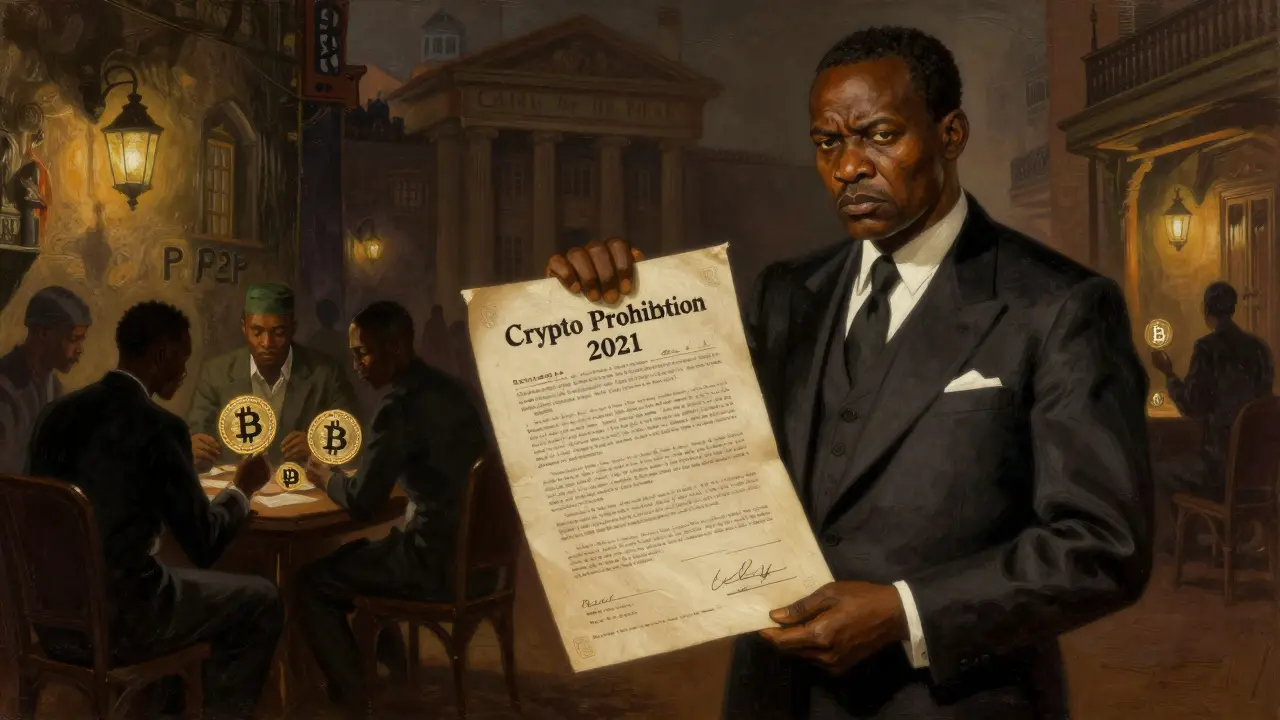
SEC Nigeria Crypto: What’s Really Happening with Crypto Regulation in Nigeria
When you hear SEC Nigeria crypto, the regulatory body overseeing securities and cryptocurrency activities in Nigeria. Also known as Nigerian Securities and Exchange Commission, it’s the agency that’s trying to bring order to one of the world’s most active crypto markets. While the U.S. SEC makes headlines for suing Coinbase and Binance, the SEC Nigeria is doing something even more unexpected: it’s battling a financial crisis by trying to control the very tool millions of Nigerians use to eat, pay rent, and send money home.
Over 22 million Nigerians use crypto—not as speculation, but as survival. With inflation hitting 30% and banks freezing accounts, USDT, a stablecoin pegged to the U.S. dollar. Also known as Tether, it’s become the de facto currency for daily transactions. People buy groceries with it. Freelancers get paid in it. Parents send remittances through it. But the SEC Nigeria doesn’t recognize this. It’s focused on shutting down unregistered exchanges, warning users about scams, and demanding licenses from platforms like Binance and Paxful. The problem? Most of these platforms aren’t even based in Nigeria. So the SEC’s crackdown often feels like trying to stop water with a sieve.
Meanwhile, crypto adoption Nigeria, the rapid, grassroots use of digital assets by ordinary citizens to bypass broken financial systems. Also known as Nigerian crypto users, it’s not a trend—it’s a necessity. The SEC’s attempts to ban or regulate it have only pushed activity further underground. Local P2P platforms thrive. Telegram groups swap USDT for naira. Even street vendors now display QR codes for crypto payments. The SEC can issue fines, but it can’t unlearn what millions have already learned: crypto isn’t optional here. It’s the only thing keeping the economy moving.
What you’ll find below isn’t just news about regulations or token prices. It’s a collection of real stories—how people in Nigeria use crypto to survive, what platforms got shut down, which airdrops turned out to be scams, and how the SEC’s actions are shaping what’s left. You’ll see how a meme coin like Papu Token vanished overnight, how a charity token called HYPERSKIDS collapsed, and why no one should trust an exchange called Oviex. These aren’t random posts. They’re the aftermath of a financial revolution that the SEC didn’t see coming—and still doesn’t fully understand.