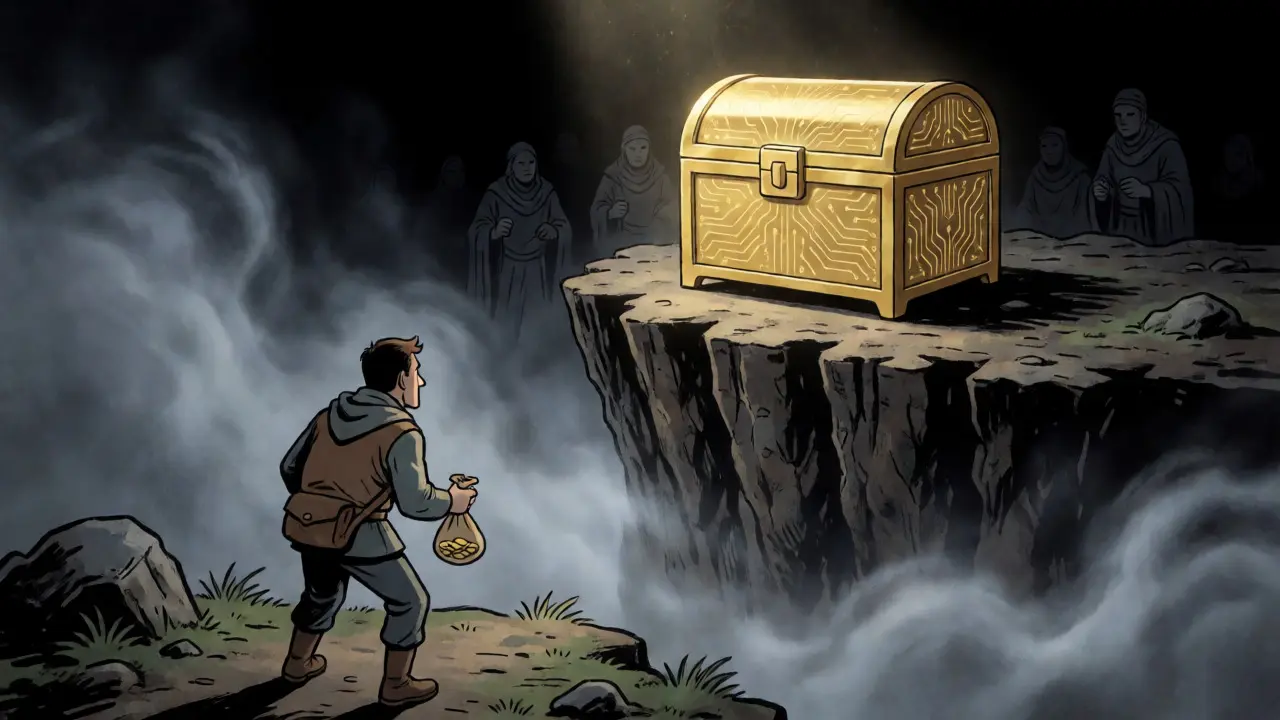
You see an ad for 365.stream, a cryptocurrency exchange promising low fees and multilingual support. The interface looks slick. The promises sound great. But before you connect your wallet or deposit that hard-earned Bitcoin, you need to ask the right questions. Is this platform actually trustworthy? Or is it just another shiny facade hiding operational risks?
Here is the blunt truth: 365.stream sits in a gray area of the crypto market. It isn't a household name like Coinbase or Binance. In fact, independent review platforms have flagged it with significant warnings. If you are looking for a safe harbor for your digital assets, this might not be it. Let's break down exactly what we know, what remains hidden, and why caution should be your primary strategy.
The Trust Factor: What Reviews Actually Say
Cryptocurrency exchanges handle sensitive financial data and real money. Trust isn't optional; it is the product. When we look at 365.stream, the trust signals are mixed at best, and alarming at worst. Revain.org, a well-known community-driven review site for crypto projects, explicitly states that "365 dot stream exchange cannot be trusted, trading here is at your own risk." That is not a subtle hint. That is a red flag waving directly in your face.
Why does this matter? Because unlike stocks held by a broker-dealer under SIPC protection, crypto on an unregulated or poorly vetted exchange can vanish if the company mismanages funds or faces insolvency. The warning from Revain suggests that users have experienced issues ranging from withdrawal delays to outright loss of access. While one negative review doesn't define a whole platform, when combined with other factors, it creates a pattern of concern.
On cryptogeek.info, the platform holds a user rating of 3 out of 5. However, this score is based on a single user review. A sample size of one is statistically meaningless. It tells us nothing about the average experience. Contrast this with established exchanges that have thousands of verified reviews. The lack of substantial user feedback on 365.stream is itself a warning sign. Where are the voices of the community? Why aren't more people talking about their wins or losses on this specific platform?
Fees vs. Risk: The False Economy
One of the main selling points for 365.stream appears to be its low trading fees. For high-frequency traders or those moving large volumes, saving even 0.1% per trade adds up. On paper, this makes sense. Who wouldn't want to pay less to buy Ethereum?
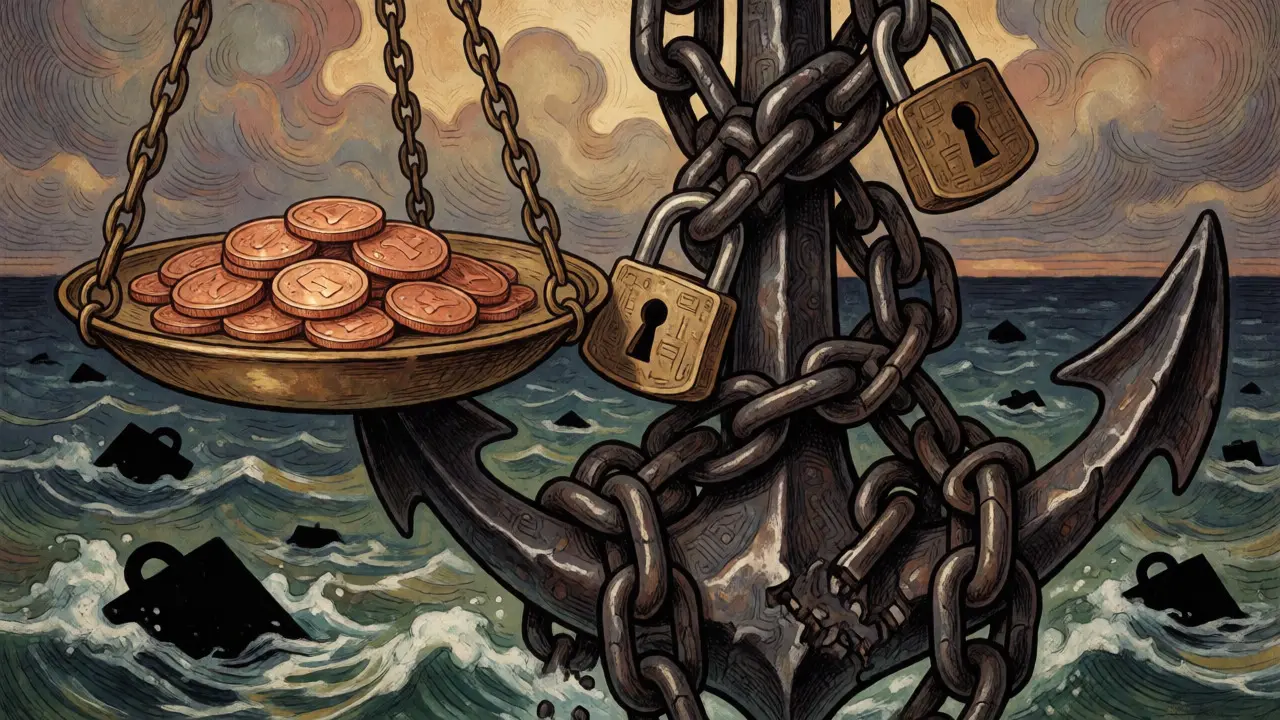
But consider the cost of failure. If you save $50 in fees but lose access to $5,000 worth of assets due to a withdrawal freeze or a platform shutdown, did you really save money? This is the classic "too good to be true" trap in finance. Low fees often signal lower overhead costs, which can sometimes mean less investment in security infrastructure, customer support, or regulatory compliance.
Established exchanges like Kraken or Coinbase charge higher fees because they maintain robust insurance funds, cold storage protocols, and extensive legal teams. They absorb these costs into their pricing model. 365.stream’s ability to undercut these giants raises questions about its operational sustainability. Are they subsidizing trades to attract users? Are they operating with minimal reserves? Without transparent proof-of-reserves reports, you are guessing.
Transparency Gaps: What We Don't Know
A comprehensive exchange review usually covers supported coins, API documentation, KYC procedures, and withdrawal limits. With 365.stream, many of these details remain elusive. The platform markets itself as multilingual, targeting international users. This is common for newer exchanges trying to capture emerging markets in Asia, Latin America, or Eastern Europe.
However, transparency goes beyond language options. Key questions remain unanswered:
- Regulatory Status: Which jurisdictions license 365.stream? Is it registered with FinCEN in the US, FCA in the UK, or MAS in Singapore? Lack of clear licensing information increases risk.
- Security Measures: Does it use multi-signature wallets? Is there two-factor authentication (2FA) enforcement? Has it suffered any past hacks?
- Custody Model: Is it custodial (they hold your keys) or non-custodial? Most likely, it is custodial, meaning you rely entirely on their integrity.
The absence of readily available technical specifications suggests either a very new operation or a deliberate attempt to keep operations opaque. Major players publish whitepapers, audit reports, and team bios. 365.stream keeps these cards close to its chest, which makes due diligence difficult for the average investor.
Comparing 365.stream to Established Alternatives
To understand where 365.stream stands, we need to compare it against known entities. The table below highlights key differences between 365.stream and major competitors. Note that while 365.stream offers low fees, the trade-off comes in trust and verification.
| Feature | 365.stream | Coinbase | Binance | Kraken |
|---|---|---|---|---|
| Trust Rating | Low / Unverified | High (Publicly Traded) | High (Global Leader) | High (Long-standing) |
| User Reviews | Sparse (1-2 samples) | Thousands (Verified) | Tens of Thousands | Thousands (Verified) |
| Fee Structure | Reported Low | Moderate to High | Competitive | Competitive |
| Regulatory Clarity | Unclear | Clear (US-focused) | Complex (Global) | Clear (US/EU) |
| Risk Level | High | Low | Medium-Low | Low |
This comparison illustrates a critical point: you are paying for peace of mind. Coinbase charges more because it operates under strict US regulations. Kraken has survived multiple bear markets without losing user funds. 365.stream lacks this historical track record. For beginners, the premium paid to established exchanges is often worth avoiding the stress of potential withdrawals issues.
Who Should Consider 365.stream?
Is 365.stream completely useless? Not necessarily. It might appeal to a specific niche. If you are an experienced trader who understands the risks of decentralized or semi-centralized platforms, you might experiment with small amounts. Perhaps you live in a region where major exchanges don't offer local currency pairs, and 365.stream fills that gap.
However, for the vast majority of users-especially those new to crypto-the risk profile is too steep. The combination of limited reviews, explicit trust warnings, and lack of transparency creates a scenario where the potential downside outweighs the fee savings. If you are investing money you cannot afford to lose, stick to platforms with proven track records.
Think of it like choosing a bank. Would you deposit your life savings into a new, unlicensed institution in a remote town just because they offer slightly better interest rates? Probably not. You’d choose a federally insured bank. The same logic applies here. Security first, fees second.

Actionable Steps Before You Trade
If you still feel compelled to try 365.stream, follow these steps to minimize your exposure:
- Start Small: Deposit only what you are willing to lose completely. Do not move your entire portfolio.
- Test Withdrawals: Immediately after depositing, try to withdraw a small amount. Note how long it takes and if any unexpected fees appear.
- Check Live Support: Contact customer service with a simple question. How fast do they respond? Are they helpful or robotic?
- Monitor News: Set up Google Alerts for "365.stream scam" or "365.stream withdrawal problems." Stay vigilant for breaking news.
- Use Cold Storage: Once you make profits, move them off the exchange to a hardware wallet like Ledger or Trezor. Do not leave large balances on any exchange, especially a lesser-known one.
These steps won't eliminate risk, but they provide early warning signs. If a withdrawal takes three days instead of three hours, pull your funds immediately. If support ignores you for a week, walk away.
The Broader Context: Exchange Selection Criteria
Selecting a crypto exchange is one of the most important decisions in your investment journey. Here is a quick checklist to evaluate any platform, including 365.stream:
- Regulation: Is it licensed in a reputable jurisdiction?
- Insurance: Does it have insurance for hot wallet breaches?
- Volume: Is the trading volume high enough to ensure liquidity?
- Reputation: What do independent sites like CoinMarketCap or Trustpilot say?
- Team: Are the founders public figures with verifiable backgrounds?
365.stream fails several of these checks based on current information. Its multilingual approach shows ambition, but ambition doesn't secure your private keys. Proven execution does.
Is 365.stream a scam?
It is not confirmed as a scam, but it carries high risk. Independent review platforms like Revain.org warn that it "cannot be trusted," citing potential issues with reliability and fund security. Treat it with extreme caution.
Are the low fees on 365.stream worth the risk?
For most investors, no. The savings from low fees are minor compared to the potential loss of capital if the exchange experiences operational failures, freezes, or exits. Established exchanges offer better security for a modest fee increase.
What is the user rating for 365.stream?
Data from cryptogeek.info shows a 3 out of 5 rating, but this is based on only one user review. This sample size is too small to represent overall user satisfaction accurately.
Does 365.stream support USD deposits?
Information regarding specific fiat currency support for 365.stream is sparse. Users should verify supported payment methods directly on the platform before depositing, as availability may vary by region.
Which exchanges are safer alternatives?
Coinbase, Kraken, and Binance are widely considered safer due to their regulatory compliance, longer track records, and larger user bases. These platforms undergo regular audits and have established customer support systems.
revain flag is enough for me skip it
They probably just wash trading their volume to look legit 🤡📉 Don't trust the slick UI they are farming suckers with those low fees until the rug pull hits 💸👀
I agree with the cautious approach here. The lack of regulatory clarity is the biggest red flag for me personally. I always check FinCEN or FCA registration before touching a new exchange because if something goes wrong you need legal recourse and that simply isn't there with unlicensed platforms.
It is intellectually lazy to dismiss this as just 'risk'. We are talking about counterparty risk in an unregulated environment. If the entity lacks proof-of-reserves audits by reputable firms like CertiK or Hacken then your capital is essentially held in a black box. The asymmetry between fee savings and potential total loss is mathematically indefensible for any rational actor.
It’s funny how we all know better yet still chase the shiny object 🧐 The interface is pretty but pretty doesn’t pay out withdrawals. It’s like buying a house with no foundation because the paint job was cheap 😅
Typical Irish scam bait targeting the gullible masses who think Bitcoin is magic money. You lot wouldn't know a balance sheet if it hit you in the face. Stick to your local credit unions instead of gambling on some offshore shell company pretending to be tech-savvy.
yeah i tried depositing $50 just to test it out and the kyc took like 3 days which is sus af. usually its instant or a few hours on kraken. also couldn't find any info on who actually runs the thing so yeah probs gonna stick to binance for now
STOP BEING SCARED OF FEES AND START BEING SCARED OF LOSING YOUR MONEY! If you aren't checking the withdrawal times yourself you are already losing! Take control of your financial destiny by testing small amounts NOW!
The aesthetic of these modern exchanges is designed to mask the utter banality of their backend infrastructure. It is all veneer, darling. A pretty facade hiding a crumbling edifice of incompetence and greed. Truly tragic for the unwary soul who trusts the pixels over the protocol.
I really appreciate this detailed breakdown because it helps clarify exactly why certain platforms feel risky even when they look professional. I have been trying to figure out where to keep my small altcoin holdings safely without paying high gas fees every time I want to move them and this article makes me realize that security should definitely come first even if it means higher transaction costs initially. It is so easy to get distracted by the user-friendly interfaces that newer exchanges create especially when they target international users with multilingual support but if the underlying regulatory framework is missing then those nice features don't matter much at all when you try to cash out. I am going to follow the advice about starting small and testing withdrawals immediately because I learned that lesson the hard way last year with another platform that looked promising but had terrible customer service response times during market volatility.
Please allow me to express my deepest respect for the caution advised herein. It is indeed prudent to treat such entities with skepticism given the opaque nature of their operations. One must remain vigilant lest one's hard-earned resources vanish into the ether of digital uncertainty. Peace be upon your wallets.
oh please everyone acts like they're geniuses now. i deposited and withdrew fine lol. maybe ur just bad at reading the terms? stop crying about safety when u couldve made bank on the low fees if u weren't so paranoid. sue me for being brave 🙄💅
You're not brave, you're lucky. Luck runs out. That's the only truth here.
actually most people dont care about regulation they just want to ape in fast. its not about safety its about speed and access. if 365 stream lets me buy shitcoins before coinbase lists them then ill take the risk every single time. its called opportunity cost bro
How quaint. Thinking that 'opportunity' outweighs the statistical probability of insolvency. You confuse gambling with investing, and the house always wins eventually.
This analysis is quite insightful and provides a balanced perspective on the risks involved. However, I believe we must consider the technological innovation aspect as well. Sometimes new platforms disrupt the old guard by offering superior UX. But yes, the lack of audit reports is indeed concerning 🧐⚠️ Please proceed with extreme caution if you decide to engage with this platform. Respectfully submitted.
There is a profound philosophical question hidden in the choice of exchange: do we value convenience or sovereignty? When we hand our keys to a third party, we surrender a part of our autonomy for ease. Is that trade worth the marginal fee reduction? I suspect for many, the comfort of a familiar interface blinds them to the fragility of their ownership. We build castles on sand and call it progress.
Great points all around. For anyone in Ireland or Europe looking for alternatives, Kraken has very strong EU compliance and good liquidity. Also, remember that moving funds to cold storage is the ultimate safety net regardless of which exchange you use for trading. Stay safe and happy hodling! 🐝💚