
Think you know the story of Cuba cryptocurrency prohibition? Most headlines suggest the island nation banned digital assets to keep control. But here is the twist: Cuba didn't ban them. In fact, as of August 2021, it became one of only two countries in the world to officially recognize cryptocurrencies like Bitcoin as legal payment methods. This isn't a tech utopia experiment; it's a survival strategy born from six decades of economic isolation.
If you've been searching for news about restrictions on crypto in Havana, you might be looking at outdated or misinterpreted data. The reality is far more nuanced. The Cuban government, through its Central Bank, has moved from a legal gray area to a structured regulatory framework. This shift wasn't driven by an enthusiasm for blockchain technology but by sheer necessity. With U.S. sanctions blocking traditional financial lifelines, digital currencies became the only viable bridge to the global economy for millions of Cubans.
The Myth of the Ban vs. The Reality of Resolution 215
For years, cryptocurrency use in Cuba existed in a shadowy limbo. People used it quietly, often without knowing if they were breaking laws that hadn't fully defined the asset class yet. That changed with Resolution 215. Published in the Official Gazette, this document granted the Central Bank of Cuba (BCC) the authority to regulate digital currencies. The stated reason? "Reasons of socio-economic interest."
This phrasing is key. It signals that the state views crypto not as a threat to sovereignty, but as a tool to alleviate economic pressure. Unlike China, which implemented an outright ban on mining and trading to curb capital flight and energy consumption, Cuba chose regulation. The BCC began licensing Virtual Asset Service Providers (VASPs), requiring them to adhere to strict anti-money laundering (AML) standards. This created a formal compliance path where none existed before.
Why Sanctions Drove the Shift
To understand why Cuba regulates rather than prohibits, you have to look at the wall around its economy. The U.S. embargo, formally known as the Cuban Assets Control Regulations (CACR), is one of the longest-running and most stringent sanctions regimes in history. For a regular person in Havana, this means no PayPal, no Visa or Mastercard acceptance at most local merchants, and no access to Amazon.
In 2020, Western Union shut down over 400 locations across Cuba. Suddenly, remittances-the lifeblood of many families-hit a brick wall. Traditional banking was inaccessible. Enter cryptocurrency. It offered a peer-to-peer solution that bypassed the SWIFT network and U.S. correspondent banks. If your cousin in Miami sends you Bitcoin, it doesn't touch a U.S. bank account in the same way a wire transfer does. It moves on-chain. This utility made a total ban politically and economically impossible. The government realized it couldn't stop the flow of value, so it decided to tax and monitor it instead.

How the Regulatory Framework Works Today
As of 2026, the landscape is defined by licensed operations. You can legally buy, sell, and spend crypto in Cuba, provided you go through authorized channels. The Central Bank evaluates applications based on legality and socioeconomic impact. Licenses are initially granted for one year, keeping providers on their toes regarding compliance.
| Country | Legal Status | Primary Motivation | Regulatory Body |
|---|---|---|---|
| Cuba | Legal & Regulated | Economic survival / Sanctions evasion | Central Bank of Cuba |
| China | Banned | Financial stability / Energy control | People's Bank of China |
| El Salvador | Legal Tender | Financial inclusion / Investment | Government / Legislative Assembly |
| United States | Legal & Heavily Regulated | Taxation / Consumer Protection | SEC, CFTC, FinCEN |
The requirements for VASPs are tight. They must perform customer due diligence and report suspicious activities. This isn't the Wild West anymore. The state wants visibility. By bringing crypto into the light, the government captures transaction data and ensures that the money flowing into the country contributes to the official economy, even if indirectly.
Grassroots Adoption and Daily Life
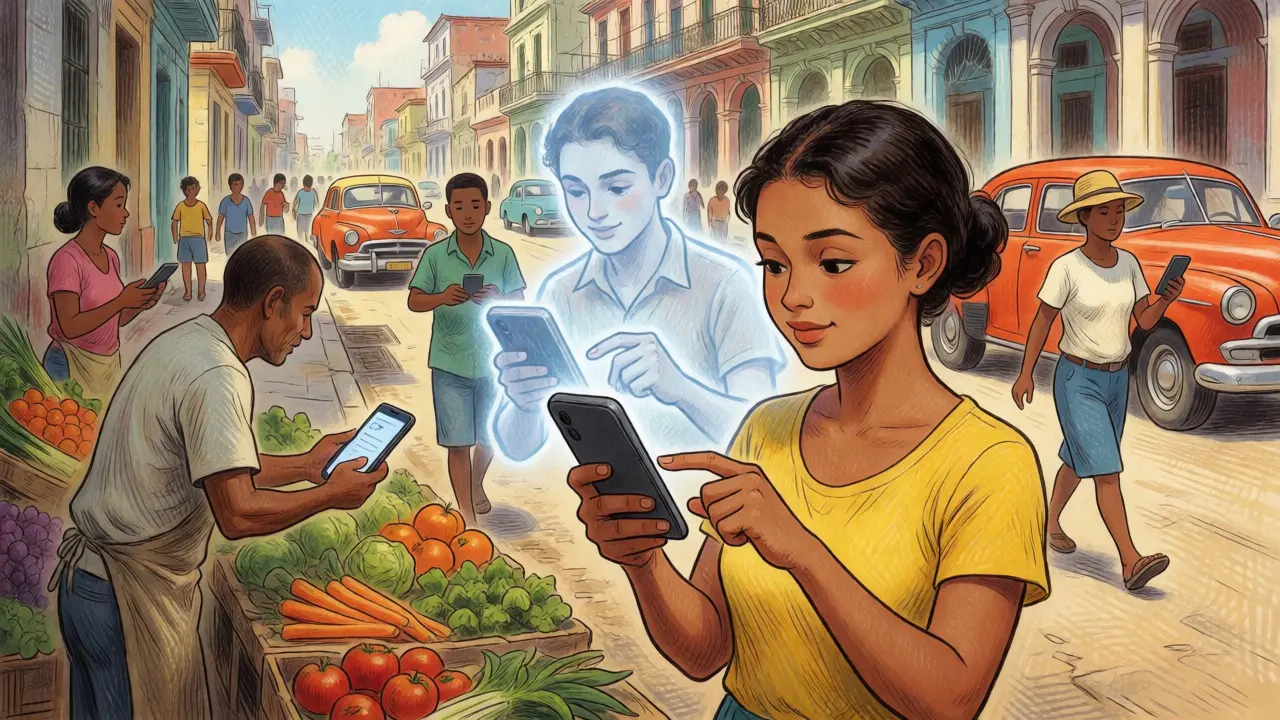
Statistics tell part of the story, but human behavior tells the rest. Estimates suggest between 100,000 and 200,000 Cubans actively use cryptocurrencies like Bitcoin, Ethereum, and Avalanche. While that sounds small against a population of 11 million, consider the infrastructure hurdles. Widespread mobile internet access arrived late to the island. For many, a smartphone is the primary gateway to the digital economy.
What do people actually do with these coins? They don't just hold them as speculative investments. They use them for:
- Remittances: Receiving money from family abroad faster and cheaper than traditional services.
- Online Purchases: Buying goods from international retailers that accept crypto but reject Cuban credit cards.
- P2P Transactions: Paying for local services or goods when cash shortages hit.
This practical application reinforces the government's stance. If you ban crypto, you cut off a vital artery of commerce. If you regulate it, you maintain some control while allowing the market to breathe.
Challenges and Future Outlook
It's not all smooth sailing. Internet connectivity remains spotty in rural areas. There is also a significant education gap. Many users navigate wallets and exchanges without fully understanding security risks. Phishing scams and lost private keys are real threats in a community still learning the ropes.
Furthermore, the geopolitical relationship with the U.S. remains volatile. Any tightening of sanctions could complicate how Cuban VASPs interact with global liquidity providers. However, the trend points toward refinement, not reversal. The Central Bank continues to issue licenses and update guidelines, suggesting a long-term commitment to this hybrid financial model.
Experts argue that Cuba serves as a case study for other nations under heavy sanctions. It shows that digital assets can function as a parallel financial system when the primary one is blocked. As infrastructure improves and user literacy grows, adoption rates will likely climb. The question isn't whether Cuba will continue to allow crypto-it already does-but how deeply it will integrate into the broader Latin American digital economy.
Frequently Asked Questions
Is cryptocurrency illegal in Cuba?
No, cryptocurrency is not illegal in Cuba. Since August 2021, it has been recognized as a legal payment method under Resolution 215. The Central Bank of Cuba regulates its use, requiring service providers to obtain licenses.
Can I use Bitcoin to buy things in Havana?
Yes, businesses can legally accept cryptocurrencies as payment if they comply with central bank regulations. Many tourists and locals use digital assets for transactions, especially when dealing with international goods or services.
Why did Cuba legalize cryptocurrency?
The primary motivation was socio-economic interest. Due to U.S. sanctions limiting access to traditional banking and payment systems like PayPal and Western Union, crypto provided a necessary alternative for remittances and international trade.
Do Cuban citizens need to pay taxes on crypto gains?
While specific tax codes evolve, the regulatory framework emphasizes AML compliance and reporting. Users should consult current local financial advisors, but generally, income generated through regulated channels is subject to existing fiscal laws.
Which cryptocurrencies are popular in Cuba?
Bitcoin is the most widely recognized, followed by Ethereum and stablecoins like USDT. These assets are preferred for their liquidity and ability to facilitate cross-border transfers despite sanctions.