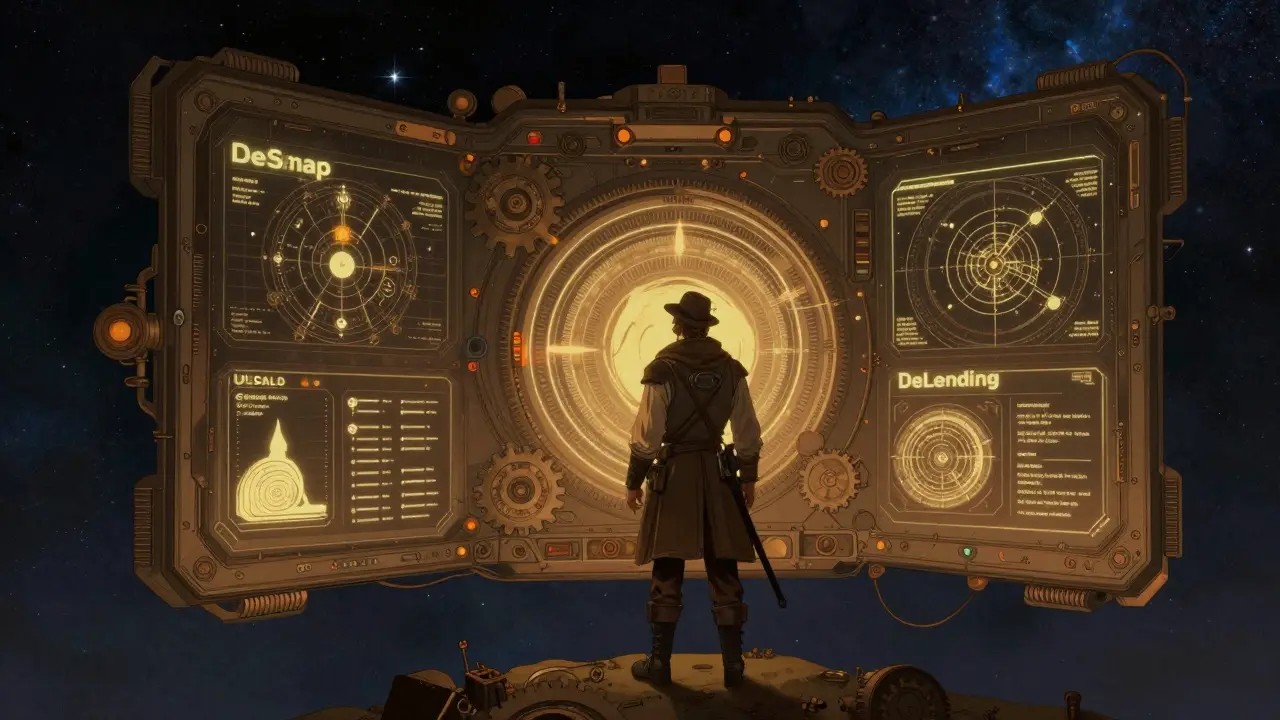
Are you looking to claim free DES tokens from the DeSpace Protocol? You are not alone. The buzz around the "Space Drop" has spread quickly across crypto communities, with many hoping to secure a piece of this emerging ecosystem before it goes live. However, unlike simple click-and-claim giveaways, the DeSpace airdrop is tied directly to active participation in their decentralized finance (DeFi) and non-fungible token (NFT) infrastructure.
If you have been hearing whispers about this drop but haven't seen clear instructions, this guide breaks down exactly what DeSpace Protocol is, how their unique "mining" mechanism works, and what steps you likely need to take to qualify for the distribution. We will also look at the risks involved, so you can decide if participating is worth your time and capital.
What Is DeSpace Protocol?
To understand the airdrop, you first need to understand the platform behind it. DeSpace Protocol is a comprehensive DeFi and NFT aggregator that aims to unify complex financial tools into a single interface. Instead of jumping between different apps to swap tokens, lend assets, or trade digital art, DeSpace brings these functions under one roof.
The protocol operates on a multi-chain architecture, meaning it doesn't rely on just one blockchain network. This allows users to access liquidity and opportunities across various ecosystems without dealing with the usual fragmentation. The core utility of the platform is driven by its native token, DES, which serves as the fuel for governance, fee discounts, and rewards within the ecosystem.
DeSpace isn't just a wrapper; it includes several specialized modules:
- DeSwap: A cross-chain decentralized exchange (DEX) that supports limit orders and margin trading, offering more control than standard automated market makers.
- DeLending: A lending platform where users can earn interest on deposits or borrow against collateral, similar to established models like MakerDAO.
- DeChain: Infrastructure that enables seamless interaction across different blockchains, reducing the friction of bridging assets manually.
The "Space Drop" is essentially a reward mechanism designed to incentivize early adoption of these specific tools. By using the platform, you generate activity that the protocol tracks, potentially qualifying you for a share of the DES token supply.
How the DES Space Drop Works
Most modern airdrops have moved away from random giveaways. They now use "retroactive" or "activity-based" models. For DeSpace, the Space Drop appears to follow an engagement-first approach. The goal is to identify genuine users who provide value to the network rather than bots trying to farm free tokens.
Here is the general logic behind qualifying for such drops in aggregators like DeSpace:
- Wallet Connection: You must connect a supported Web3 wallet (such as MetaMask, Trust Wallet, or Phantom) to the DeSpace dashboard.
- Protocol Interaction: You perform actions within the ecosystem. This could include swapping tokens on DeSwap, providing liquidity to a pool, or minting/staking an NFT on their marketplace.
- Snapshot Period: The team takes a snapshot of the blockchain at a specific block height. Your interactions during this window are recorded.
- Token Distribution: Eligible wallets receive DES tokens based on their volume of activity, duration of participation, or tier of engagement.
Because specific details like exact dates and allocation percentages are often released close to the event date to prevent bot attacks, staying updated via official channels is critical. The "Space Drop" is likely part of a phased rollout to ensure network stability before full decentralization.

Step-by-Step: How to Position Yourself for the Airdrop
While waiting for official confirmation of the final snapshot, you can prepare your account to maximize potential eligibility. Here is a practical checklist based on standard DeFi aggregator behaviors:
1. Set Up a Dedicated Wallet
Do not use your main savings wallet. Create a new, clean wallet specifically for interacting with new protocols. This isolates risk. If the contract has vulnerabilities or if you accidentally approve a malicious transaction, your primary funds remain safe. Ensure you have enough gas fees (ETH, BNB, SOL, etc., depending on the chain DeSpace uses) to cover transactions.
2. Explore DeSwap and DeLending
Go to the DeSpace interface and navigate to the DeSwap section. Perform a small test swap. Then, check out DeLending. Deposit a small amount of stablecoins or blue-chip assets to see how the interface works. These actions signal to the system that you are an active user, not just a visitor.
3. Engage with the NFT Marketplace
DeSpace highlights its NFT capabilities. Browse the marketplace. If there are low-cost NFTs available, consider minting one or holding one in your wallet. Some protocols weight NFT holders higher in airdrop calculations because they represent long-term commitment.
4. Join the Community Channels
Many airdrops require social proof. Follow DeSpace Protocol on Twitter (X), join their Discord server, and subscribe to their Telegram group. Sometimes, tasks like "follow," "retweet," or "join Discord" are tracked off-chain and combined with on-chain data to determine eligibility.
| Action | Risk Level | Potential Reward Impact | Cost |
|---|---|---|---|
| Simple Swap | Low | Medium | Gas Fees Only |
| Liquidity Provision | Medium (Impermanent Loss) | High | Capital + Gas |
| NFT Minting/Holding | Low-Medium | High (if weighted) | Mint Price + Gas |
| Social Tasks | None | Low | Time Only |
Understanding the Risks
Crypto airdrops are exciting, but they are not free money. There are real costs and risks involved that every participant must acknowledge.
Smart Contract Risk: Even reputable projects can have bugs. When you interact with DeSwap or DeLending, you are trusting their code. Always start with small amounts. Never invest money you cannot afford to lose while testing new platforms.
Scam Phishing: Fake airdrop sites are rampant. Scammers create websites that look identical to DeSpace Protocol to steal your private keys or drain your wallet. Always verify the URL. Bookmark the official site from their verified Twitter or Discord links. Never enter your seed phrase anywhere.
Token Volatility: Even if you qualify for the airdrop, the value of the DES token is unknown until it lists on exchanges. It could be worth pennies or dollars. Do not spend significant capital on gas fees expecting a guaranteed high return. Treat any spending as a donation to the ecosystem unless you believe in the long-term project.

When Will the Tokens Be Distributed?
Timing is everything in airdrops. While exact dates for the "Space Drop" may shift due to technical audits or market conditions, most protocols follow a predictable pattern:
- Announcement Phase: The team reveals the criteria and timeline.
- Snapshots: Multiple snapshots may be taken over weeks to filter out last-minute farmers.
- Claim Window: Users are given a period (e.g., 7-14 days) to claim their tokens. Missing this window usually means forfeiting the reward.
Keep an eye on the DeSpace blog and Discord announcements. If you miss the initial claim window, there is rarely a second chance. Set up notifications for their official channels to ensure you don't sleep through the distribution event.
Is DeSpace Protocol Legit?
Evaluating the legitimacy of a new DeFi protocol requires looking beyond marketing hype. DeSpace Protocol has positioned itself as an aggregator, a sector that has seen success with platforms like 1inch and Matcha. Their focus on combining DeFi and NFTs addresses a real pain point: fragmentation.
Check for transparency. Does the team reveal their identities? Are there security audits from firms like CertiK or Hacken? Have venture capital firms or known angel investors backed the project? These are strong indicators of credibility. Additionally, look at community sentiment. Is the Discord active with real discussions, or is it filled with bots spamming "WAGMI"? Genuine communities drive sustainable growth.
As of mid-2026, the DeFi landscape continues to mature. Aggregators that offer true utility-like better prices, lower fees, or unique features like limit orders on DEXs-tend to survive. DeSpace's inclusion of lending and cross-chain functionality suggests they are building for retention, not just quick speculation.
What is the minimum requirement to qualify for the DeSpace DES airdrop?
There is no publicly confirmed minimum threshold yet, but typically, you need to have made at least one transaction (swap, deposit, or mint) on the platform during the snapshot period. Simply connecting your wallet is rarely enough. Engaging with multiple modules like DeSwap and DeLending increases your chances significantly.
Which wallets are compatible with DeSpace Protocol?
DeSpace generally supports major Web3 wallets including MetaMask, Trust Wallet, Coinbase Wallet, and Phantom. Since it is a multi-chain protocol, ensure your wallet is configured for the specific blockchain network DeSpace is currently operating on (e.g., Ethereum, BSC, Solana).
Can I participate in the airdrop if I am outside the US?
Most DeFi protocols are global, but some restrict access from sanctioned countries or specific regions like the United States due to regulatory compliance. Check DeSpace's Terms of Service or FAQ section for geographic restrictions before participating.
How do I claim my DES tokens after the snapshot?
Once the claim period opens, you will need to connect your eligible wallet to the official DeSpace claim page. The interface will show your allocated amount. You will then sign a transaction to transfer the tokens to your wallet. This process usually requires a small amount of gas fees.
Is the DES token listed on any exchanges yet?
As of the latest updates, DES tokens are primarily distributed via the airdrop and internal platform mechanisms. Public exchange listings (CEX) or decentralized exchange pairs (DEX) usually occur after the initial distribution phase to establish liquidity. Keep an eye on CoinMarketCap or CoinGecko for listing announcements.
Another American-made crypto scheme trying to drain our wallets while pretending to be 'decentralized'. It is absolutely laughable that we are expected to trust these offshore entities with our hard-earned capital. The government should step in and regulate this nonsense before it collapses like every other bubble. I refuse to participate in anything that smells like a scam, and this definitely does.
We need real innovation, not just more tokens for insiders to dump on retail investors. Keep your hands off my money.
I actually think there is some merit in the aggregator approach if they can pull it off without rug-pulling everyone. It’s always exciting to see new tools that simplify DeFi for the average person, even if I remain skeptical about the hype. Let’s hope they focus on utility rather than just marketing fluff. 🌍✨
You people are so naive 😂. Do you really believe a 'Space Drop' will make you rich? It is merely a marketing tactic to onboard liquidity before the team dumps their allocation. I have seen this pattern a thousand times. The smart money exits early; the fools stay late. Educate yourselves before throwing gas fees into the void. 📉💀
This is absolute garbage. Why should I risk my capital on an unproven protocol when established players exist? You are asking users to bridge assets across chains, which is a security nightmare waiting to happen. One hack and your funds are gone forever. Do not fall for this FOMO trap. It is pathetic how easily people are manipulated by free token promises. Stay away from this trash.
i mean its funny how they call it a 'drop' but u gotta spend money to get it lol. typical capitalist move right there. i tried swapping once and the slippage was insane. feels like they are testing the waters to see how much they can squeeze out of us before launching properly. not worth the stress honestly. maybe later when its stable or whatever.
Let me tell you something about discipline in trading. You do not chase airdrops; you build wealth through consistent strategy. This guide is useful only if you treat it as research, not instruction. Many of you lack the mental fortitude to wait for verified audits. Focus on fundamentals. Ignore the noise. Success comes to those who prepare, not those who gamble. Get your mindset right first.
The multi-chain architecture is genuinely interesting from a technical standpoint. Reducing fragmentation between Ethereum, BSC, and Solana is a significant challenge, and if DeSpace has solved the bridging friction effectively, that alone warrants attention. However, one must verify the security audits thoroughly before interacting with any contract code.
I am curious about the specific mechanics of the DeSwap limit orders. Most DEXs struggle with order book depth compared to CEXs. If they have integrated a hybrid model that retains decentralization while offering better execution, that could be a game-changer for institutional adoption. Has anyone tested the slippage on larger trades yet?
It is important to proceed with caution. In India, regulatory clarity is still evolving, so ensuring compliance is crucial. I suggest starting with very small amounts to understand the interface. Education is key in this space. Do not invest what you cannot afford to lose. Patience will serve you better than haste.
hey guys, just wanted to say that the ui looks pretty clean if u look at the screenshots. i havent tried it yet cuz im scared of scams lol. but maybe ill dip my toes in soon. good luck to everyone participating! hope it pays off for ya'll 🤞
I appreciate the detailed breakdown of risks. Too many guides ignore the potential for impermanent loss or phishing attacks. It is refreshing to see a resource that prioritizes user safety over hype. Please remember to use hardware wallets if possible. Your private keys are your responsibility, no matter what the project claims.
omg i almost clicked a fake link yesterday thanks to this warning. scammers are everywhere these days. i feel so vulnerable sometimes. glad someone posted this info. im gonna stick to just following them on twitter for now until i feel more confident. safety first!! ❤️
the concept of decentralized finance is flawed because it relies on human greed. you think connecting a wallet makes you part of a revolution? no. you are just another data point for algorithms designed to extract value. wake up. the system is rigged against you regardless of the blockchain used. stop chasing ghosts.
Here is the deal folks 👋. I have been farming airdrops since 2021. The key is consistency. Don't just swap once. Try to interact daily if possible. Also, check if they have a referral program. Often overlooked but can boost your multiplier significantly. Good luck out there 🚀💰
As a researcher in blockchain technology, I find the aggregation model promising but fraught with complexity. The integration of NFTs and DeFi requires robust oracle solutions to prevent price manipulation. Users should demand transparency regarding the governance structure. Who controls the treasury? These questions matter more than the token price.
Wow, the potential here is mind-blowing! Imagine waking up to thousands of dollars in your wallet! It feels like we are standing on the brink of a financial revolution. I am all in, emotionally speaking. Let's manifest this abundance together! The energy in this thread is electric! ⚡🔥
I spent three hours setting up my wallet and doing test transactions only to realize I missed the snapshot window by ten minutes. Ten minutes! My life is ruined. I am literally shaking right now. How do I recover from this disaster? I feel like screaming into the void. Nobody understands my pain.