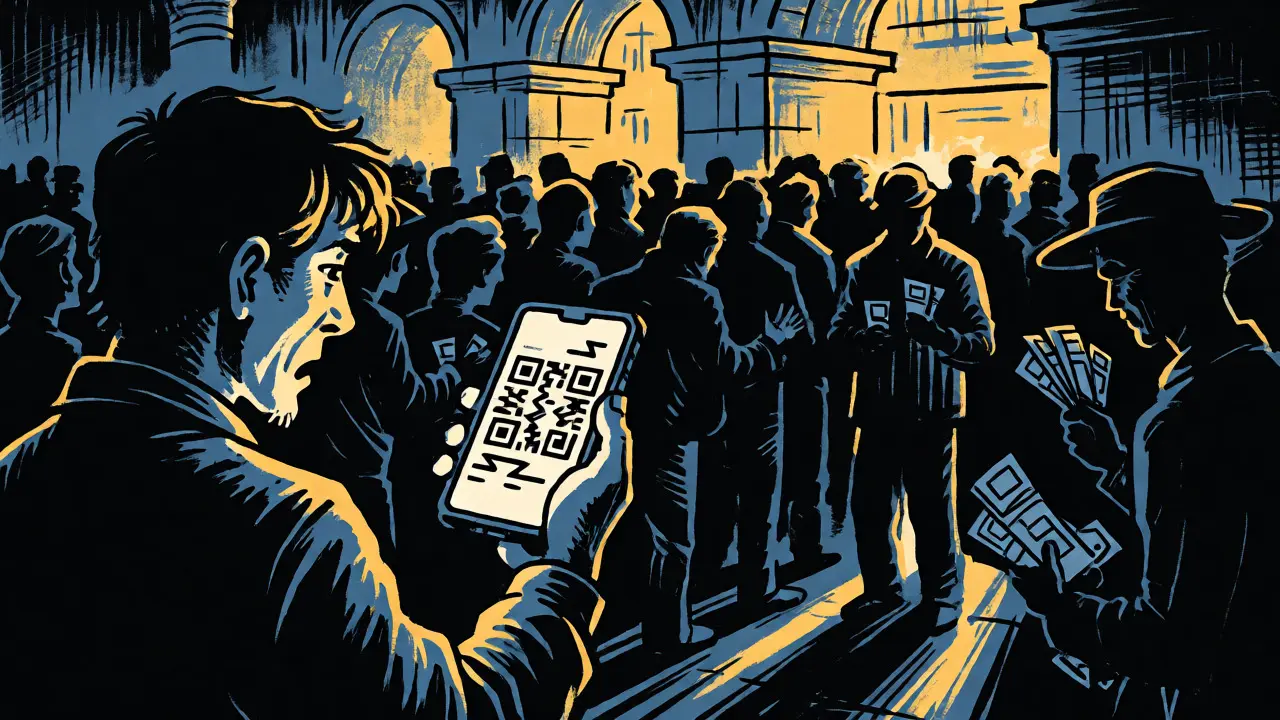
You’ve probably been there. You’re standing in line at a concert venue, phone out, trying to load a QR code that just won’t scan because the Wi-Fi is dead or the app crashed. Or worse, you paid double for a ticket only to find out it was fake when you arrived. These aren't rare glitches; they are the daily reality of traditional event ticketing. But what if your ticket wasn't just a pass, but a piece of digital art you could keep, trade, and prove was real without anyone checking a database?
This is where NFT ticketing comes in. It’s not just another buzzword from the crypto world; it’s a practical fix for broken systems. By using non-fungible tokens on a blockchain, organizers can create tickets that are impossible to counterfeit, easy to verify, and capable of paying royalties back to the creator every time they change hands. If you’re an event organizer tired of scalpers eating your profits, or a fan who wants a souvenir that actually holds value, understanding how these platforms work is crucial.
Why Traditional Ticketing Fails (And How NFTs Fix It)
The core problem with paper or standard digital tickets is that they are mutable. A PDF can be copied. A screenshot can be faked. When thousands of people try to resell a single seat, chaos ensues. Blockchain technology solves this by creating an immutable ledger. Once a ticket is minted as an NFT, its history is public and permanent. You can see exactly who owned it, when it was sold, and for how much. No more "I bought it from my cousin's friend" stories.
More importantly, NFTs allow for smart contracts. Think of a smart contract as a self-executing rulebook. If an artist sets a 10% royalty on their tickets, the blockchain automatically sends 10% of any resale price back to them. In the old world, once a scalper bought a $50 ticket and flipped it for $200, the artist saw zero extra dollars. With NFT ticketing, the artist gets paid every time the ticket moves. This aligns incentives. Organizers want fair prices; fans want access; artists want revenue. Smart contracts balance all three.
Top NFT Ticketing Platforms to Watch in 2026
The market has matured since the early hype days. We aren't just looking at experimental projects anymore; we're seeing robust solutions tailored for different needs. Here is a breakdown of the key players shaping the landscape right now.
| Platform | Blockchain | Key Feature | Best For |
|---|---|---|---|
| SeatLabNFT | NEAR Protocol | NFC verification & $SEAT rewards | Fans wanting collectibles & airdrops |
| WICKET | GET Protocol | Dynamic QR codes | Italian market & anti-scalping focus |
| Oveit | Multi-chain | Hybrid access control (NFC/Wristbands) | Large events needing physical/digital mix |
| TicketMint | Various | Metaverse integration | Virtual concerts & digital-first events |
SeatLabNFT has gained traction by leveraging the speed and low costs of the NEAR Protocol. They integrate NFC chips into physical passes, bridging the gap between digital ownership and physical entry. Their governance token, $SEAT, adds a layer of community engagement, allowing holders to vote on future features or get exclusive drops. It’s a strong choice if you want to build a loyal fan base rather than just selling seats.
On the other hand, WICKET focuses heavily on security. Built on the GET Protocol, it uses dynamic QR codes that refresh constantly. This makes it nearly impossible for someone to screenshot a ticket and sell it to five different people. WICKET has been particularly effective in Italy, where secondary market markups often exceed 1,000%. By enforcing strict transfer rules via smart contracts, they keep prices closer to face value.
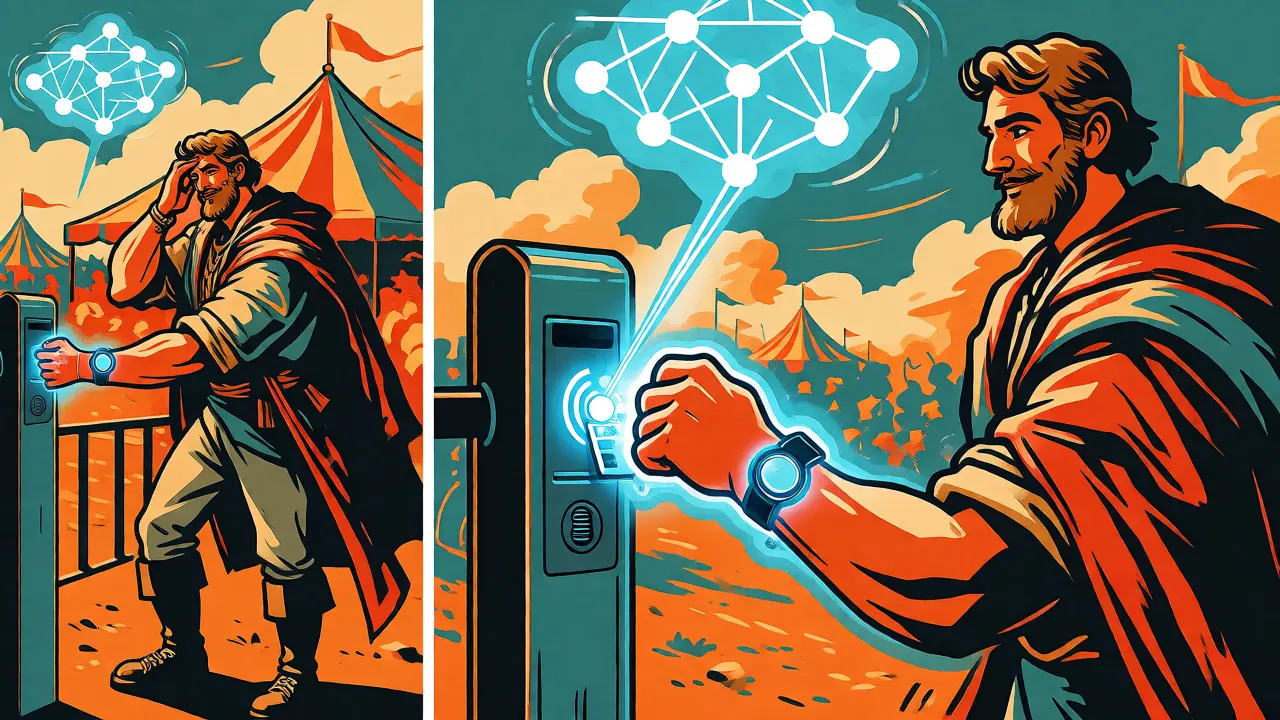
For larger festivals that still rely on wristbands, Oveit offers a hybrid solution. They don’t force everyone to use a crypto wallet. Instead, they link physical RFID wristbands to blockchain records. This means attendees can tap in like normal, but the backend ensures each wristband is unique and non-transferable unless explicitly allowed. It’s a great middle ground for events not ready to go fully Web3.
The Technical Backbone: How It Actually Works
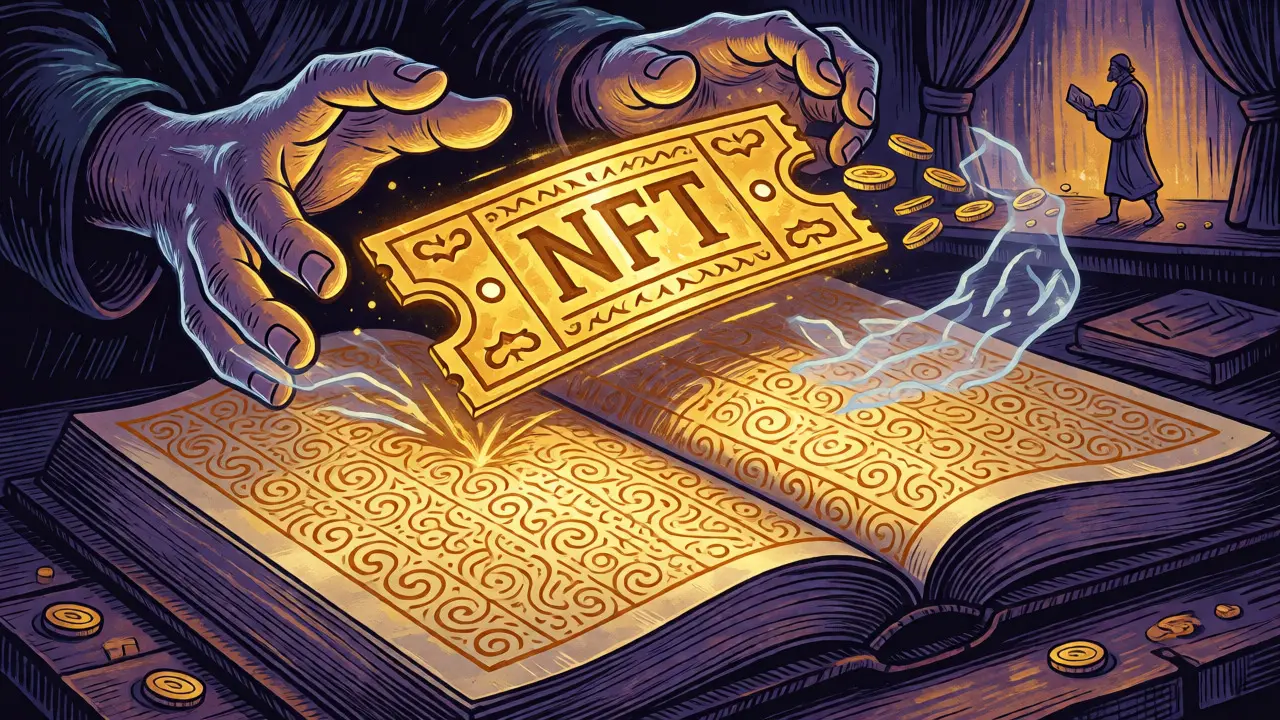
You don’t need to be a coder to understand this, but knowing the mechanics helps you pick the right platform. At its heart, an NFT ticket is a token stored on a distributed ledger. Unlike Bitcoin, which is fungible (one coin equals another), an NFT is unique. It has metadata attached-seat number, date, artist name-that cannot be altered without consensus from the network.
When you buy a ticket, you aren't just buying a file; you're receiving a cryptographic proof of ownership. This happens via a transaction on the blockchain. Most modern platforms hide the complexity. You might pay with credit card, but the backend converts that payment into a blockchain transaction. The user experience should feel seamless. If your attendees have to install MetaMask, buy ETH, and wait ten minutes for confirmation before entering the venue, you’ve failed. The best platforms offer custodial wallets, where the company holds the keys for you until you decide to take control.
Security is handled through cryptography. Each ticket has a unique hash. If someone tries to duplicate it, the blockchain rejects the second claim because the private key doesn't match. This eliminates the "double-spend" problem common in digital goods. Furthermore, because the data is public, auditors can track sales in real-time. There’s no hiding revenue or inflating attendance numbers.
Pros and Cons: Is It Worth the Switch?
Let’s be honest. NFT ticketing isn't perfect yet. While the benefits are huge, there are friction points that organizers must address.
- Anti-Scalping: Smart contracts can limit how many tickets one person can buy and set maximum resale prices. This stops bots from hoarding inventory.
- Revenue Streams: Royalties on resales mean ongoing income. Plus, tickets become collectibles, potentially appreciating in value after the event.
- Data Ownership: Organizers own the customer relationship directly, bypassing third-party brokers who usually gatekeep attendee data.
However, the downsides are real. Adoption barriers remain high. Your average concert-goer doesn't care about blockchains; they care about getting in quickly. If the app is clunky or requires a crypto wallet setup, they will complain. Costs can also be higher initially due to gas fees (transaction costs) and development time. While NEAR and Polygon have made transactions cheap, they aren't free. Finally, there is the technical risk. If the blockchain network goes down or the platform's API fails, entry gates stop working. Redundancy is essential.
Implementation Strategy for Event Organizers
If you’re thinking about switching, don’t rip out your current system overnight. Start small. Use NFT tickets for VIP sections or special experiences first. Test the waters with a tech-savvy segment of your audience.
- Choose Your Chain: Avoid Ethereum Mainnet if cost is a concern. Look at Layer 2 solutions or alternative chains like NEAR, Solana, or Polygon. Speed matters more than brand recognition here.
- Simplify the Wallet: Offer email-based wallets or fiat on-ramps. Let users pay with Visa/Mastercard. Don’t force them to understand seed phrases unless they want to.
- Design for Entry: Ensure your scanning hardware works offline. Internet connections at venues are notoriously bad. Dynamic QR codes are safer, but static NFC tags are faster.
- Educate Attendees: Send clear instructions pre-event. Show them how to view their ticket, transfer it, and enter. Make it look like a game, not a chore.
Integration with existing tools is critical. Many platforms now offer APIs that connect to Salesforce, HubSpot, or legacy ticketing software. This allows you to sync attendee data seamlessly. Remember, the goal isn't to replace your entire operation; it's to enhance trust and revenue.
Future Trends: Beyond the Concert Hall
We are already seeing NFT ticketing expand beyond music. Sports leagues are experimenting with loyalty programs where season tickets grant access to exclusive content. Conferences are using them for networking badges that store your profile and session history. Even museums are issuing NFT tickets that unlock augmented reality experiences inside the exhibit.
Interoperability is the next big hurdle. Currently, a ticket on NEAR might not easily move to a wallet on Solana. Cross-chain bridges are improving this, but it’s still messy. In the coming years, expect standards like ERC-721 and ERC-1155 to evolve, making it easier for tickets to be traded across different ecosystems. Also, watch for "phygital" trends-physical items linked to digital twins. Imagine buying a sneaker at a festival that comes with an NFT ticket proving you were there, which unlocks a discount on future purchases.
Do I need a crypto wallet to use NFT tickets?
Not necessarily. Most modern NFT ticketing platforms offer "custodial" wallets. This means the platform creates and manages the wallet for you using just an email address. You can interact with the ticket (view, transfer) without ever handling private keys or cryptocurrency directly. However, if you want full ownership and the ability to trade on open marketplaces like OpenSea, you will eventually need a self-custody wallet like MetaMask or Phantom.
Are NFT tickets cheaper than regular tickets?
The face value is usually the same, but the total cost can vary. NFT platforms often have lower service fees compared to giants like Ticketmaster because they cut out intermediaries. However, you might encounter "gas fees" (blockchain transaction costs). On efficient networks like NEAR or Polygon, these fees are fractions of a cent, so the difference is negligible. On congested networks, fees can spike, making NFT tickets slightly more expensive during peak times.
What happens if the internet goes down at the venue?
Good NFT ticketing systems are designed for offline resilience. Typically, the ticket data is downloaded to your device beforehand. Scanners can verify the cryptographic signature of the ticket locally without needing a live connection to the blockchain. Some platforms also use NFC technology, which works via radio waves and doesn't require internet connectivity at the gate. Always check if your chosen provider supports offline validation.
Can I resell my NFT ticket to anyone?
Yes, but with conditions. Because NFTs are on a blockchain, they are inherently tradable. However, the smart contract governing the ticket may impose restrictions. For example, an organizer might set a cooldown period (you can't resell within 24 hours of purchase) or a price cap (you can't sell for more than 150% of face value). These rules are coded into the token itself, ensuring fairness and preventing extreme scalping.
Is my personal data safe on the blockchain?
Generally, yes. Blockchains store transaction hashes and token IDs, not your name, email, or credit card number. That sensitive information stays off-chain in encrypted databases managed by the ticketing platform. The public ledger only shows that Token #12345 moved from Wallet A to Wallet B. This provides transparency for the transaction history while maintaining privacy for the individuals involved.