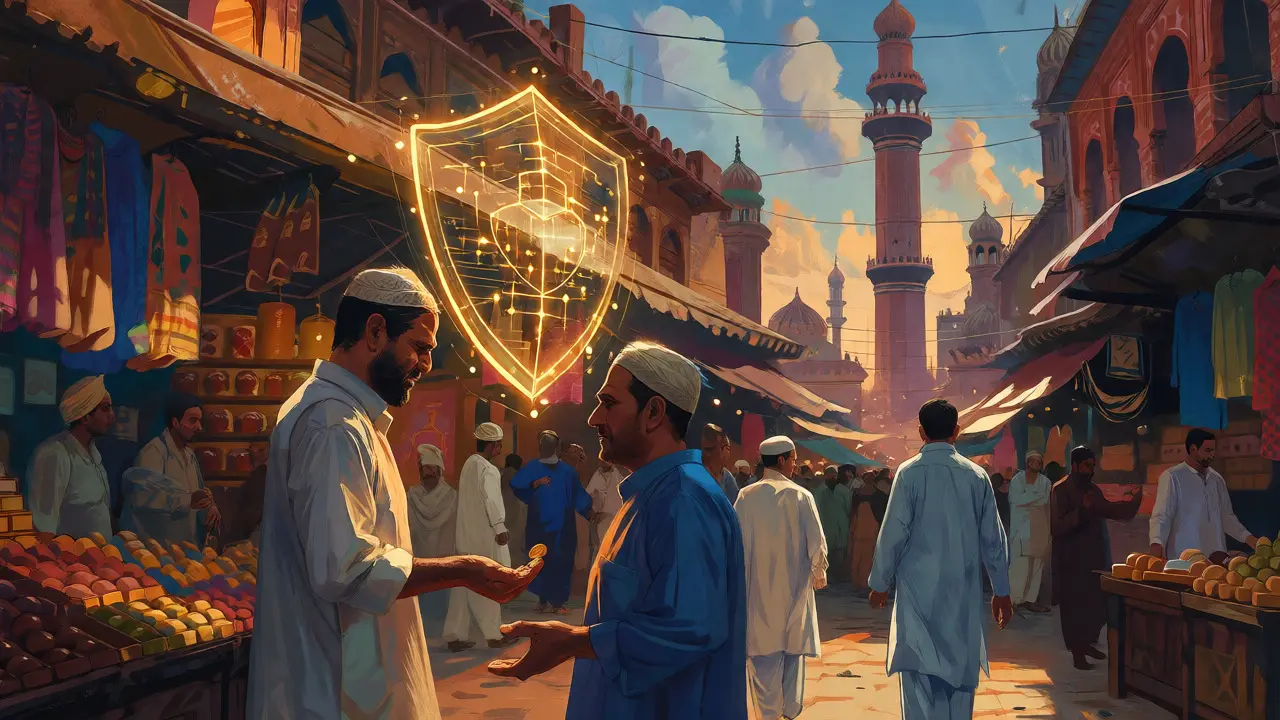
Think you know who’s leading the crypto race? Most people guess the US or maybe India. But here is a twist that might surprise you: Pakistan has surged to the third spot globally in cryptocurrency adoption, according to the latest Chainalysis Global Adoption Index released in late 2025. This isn't just a blip on the radar; it's a massive shift from where the country stood just a few years ago. If you've been watching the markets, you know how volatile this space is. Yet, for Pakistan, this rise seems rooted in something far more practical than speculation.
Why does this matter to you? Whether you're an investor looking for emerging markets, a developer eyeing new user bases, or just curious about how digital money changes lives, understanding why Pakistan jumped six positions in a single year offers valuable insights. It shows that adoption isn't always about high-tech hype-it's often about survival, utility, and getting around broken systems.
The Data Behind the Surge
Let's look at the numbers before we dive into the "why." The Chainalysis index doesn't just count how many people own Bitcoin. It looks at four distinct areas: retail value received, institutional value received, centralized service usage, and decentralized service usage. Pakistan performed strongly across all these metrics. They trailed only India (which held the top spot for the third year in a row) and the United States.
But wait, didn't I see another report saying they were 9th? Yes, and that’s the tricky part of crypto data. Different organizations use different methodologies. Some rank by raw ownership rates, others by transaction volume adjusted for purchasing power. A separate analysis from May 2025 placed Pakistan at 9th, behind Nigeria and Indonesia. So, which one is right? Both, in their own context. However, the Chainalysis ranking is widely respected because it adjusts for local economic conditions. It recognizes that $100 sent via crypto in Karachi means something very different than $100 sent in San Francisco.
Here is what we do know for sure: approximately 20 million Pakistanis now hold digital assets. That’s a significant chunk of a population exceeding 230 million. The total value of these holdings sits between $20 billion and $25 billion. Compare that to the global average ownership rate of 6.9%, and you’ll see Pakistan is punching well above its weight class.
From Ban to Boom: The Regulatory Flip
If you told a Pakistani citizen in 2018 that their country would be a top-three crypto nation by 2025, they’d probably laugh. Back then, the State Bank of Pakistan declared digital currencies weren’t legal tender. They outright banned exchange companies from facilitating crypto transactions. It was a hostile environment, to say the least.
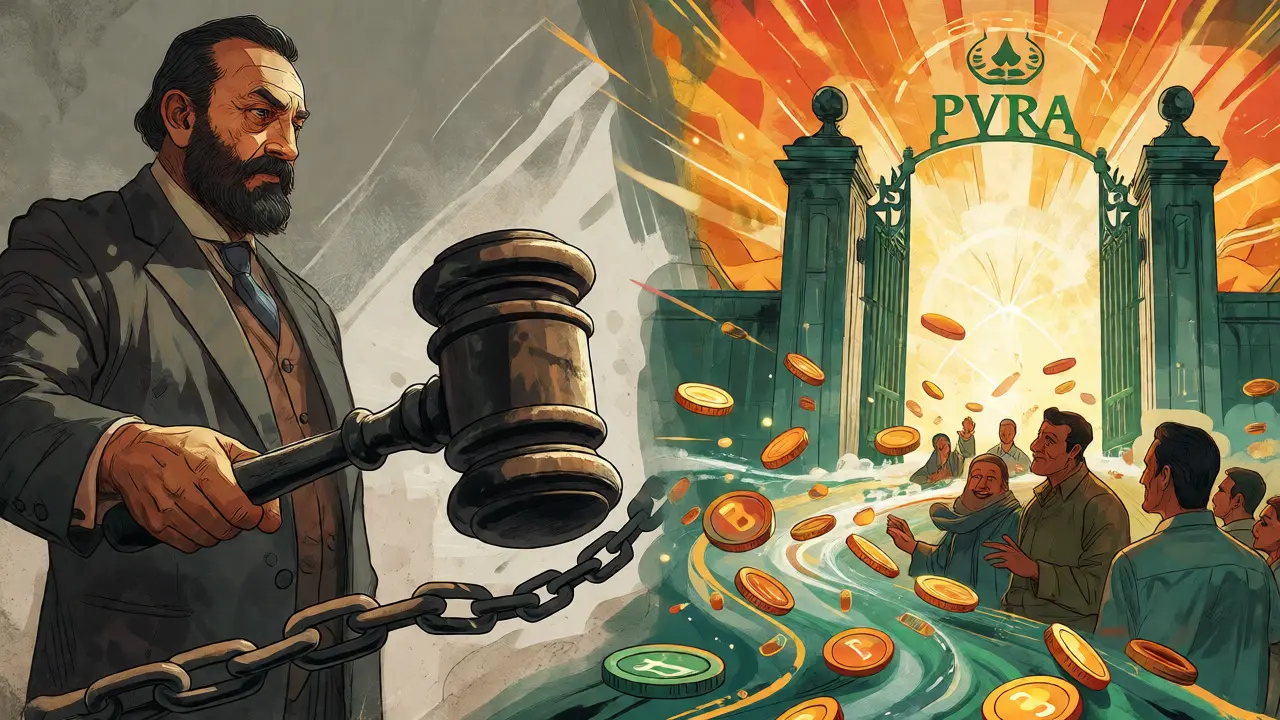
So, what changed? Two major things happened between 2024 and 2025. First, the government realized banning wasn't working. People were using crypto anyway, often through informal channels. Second, the economic pressure became too great to ignore. In July 2025, Pakistan established the Pakistan Virtual Assets Regulatory Authority (PVRA). This body gave the industry the legal clarity it had been screaming for. Suddenly, businesses could operate without fear of sudden crackdowns.
Alongside the PVRA, the creation of the Pakistan Crypto Council signaled political buy-in at the highest levels. Led by CEO Bin Saqib, this council acts as a bridge between the government, private sector, and international partners. It’s not just a regulatory body; it’s a coordination hub. This structural support turned a gray market into a legitimate financial sector almost overnight.
Utility Over Speculation: Why People Actually Use It
Here is the key insight from Chainalysis chief economist Kim Grauer: Pakistan’s growth isn't driven by people trying to get rich quick with meme coins. It’s driven by utility. In mature markets like the US, regulation and institutional rails drive adoption. In emerging markets like Pakistan, stablecoins are transforming how people manage money.
Imagine living in an economy with double-digit inflation. Your savings lose value every month. Now imagine you can move your savings into USDT or USDC-stablecoins pegged to the dollar-in seconds, with low fees. For millions of Pakistanis, crypto isn't a speculative asset; it’s a life raft. It protects wealth against currency devaluation.
Remittances are another huge factor. Pakistan relies heavily on money sent home by workers abroad. Traditional banks charge high fees and take days to process transfers. Crypto cuts out the middlemen. A worker in Dubai can send USDC to a relative in Lahore instantly. The recipient can cash out locally or keep it in digital form. This efficiency saves families real money, which explains the grassroots adoption rate better than any marketing campaign could.
Geopolitics and Private Partnerships
You can’t talk about Pakistan’s crypto scene without mentioning the geopolitical chess game. In August 2025, the Pakistan Crypto Council signed an agreement with World Liberty Financial, a firm connected to the Trump family. This partnership aims to accelerate blockchain infrastructure in the country. It involves figures like Zach Witkoff, who secured direct access to high-ranking officials, including Army Chief Asim Munir and Prime Minister Shehbaz Sharif.
This move raises eyebrows for some. Critics worry about conflicts of interest when national policy aligns so closely with specific private entities. Others see it as smart diplomacy. By partnering with influential US-based firms, Pakistan positions itself favorably with future US leadership. It’s a bet that having strong ties with American crypto giants will bring investment and technological expertise to the region.
Michael Saylor, the Bitcoin advocate whose company MicroStrategy holds over $62 billion in Bitcoin reserves, also engaged in discussions with Pakistani officials in June 2025. These high-level talks suggest that Pakistan isn't just adopting crypto for domestic reasons; they’re positioning themselves as a strategic node in the global digital economy.

Comparing the Heavyweights
To understand where Pakistan fits, let’s look at the competition. India remains the undisputed leader in many metrics, largely due to its sheer population size and early tech adoption. The US took second place recently, boosted by the approval of crypto ETFs and clearer regulatory signals from Washington.
| Country | Chainalysis Rank | Primary Driver | Regulatory Status |
|---|---|---|---|
| India | 1st | Volume & Infrastructure | Taxed but Legal |
| United States | 2nd | Institutional & ETFs | Evolving Framework |
| Pakistan | 3rd | Stablecoins & Remittances | Newly Regulated (PVRA) |
| Vietnam | 5th-6th | Speculation & Gaming | Gray Area |
| Nigeria | 6th | Peer-to-Peer Trading | Restrictive History |
Notice the difference in drivers? While Vietnam and Nigeria have high adoption, their rankings fluctuate based on regulatory crackdowns or shifts in speculative interest. Pakistan’s entry into the top three feels different because it’s backed by new institutional frameworks like the PVRA. This suggests stability rather than volatility.
What Comes Next?
Will Pakistan stay in the top three? Probably. The combination of a massive young population, improving regulatory clarity, and demonstrated political commitment creates a solid foundation. Projections indicate that Bitcoin users alone will hit 1.1 billion by 2030. With 20 million already on board, Pakistan is well-positioned to capture a significant slice of that growth.
However, challenges remain. Reliance on external private partners introduces risk. If those partnerships sour, or if US foreign policy shifts dramatically, it could impact momentum. Plus, maintaining the utility-focused approach is crucial. If speculation takes over and prices crash, retail investors might flee, damaging long-term trust.
For now, the trend is upward. The establishment of the PVRA provides a safety net that didn't exist two years ago. Investors and developers should watch this space closely. What happens in Pakistan could serve as a blueprint for other developing nations struggling with currency instability and inefficient banking systems.
Why did Pakistan jump to 3rd in crypto adoption?
Pakistan rose rapidly due to a combination of factors: a reversal of previous bans, the establishment of the Pakistan Virtual Assets Regulatory Authority (PVRA) in 2025, and heavy reliance on stablecoins for remittances and savings protection against inflation. The Chainalysis index rewards this broad-based utility-driven adoption.
Is cryptocurrency legal in Pakistan?
Yes, the landscape has shifted significantly. While the State Bank initially prohibited exchanges in 2018, recent reforms have legalized and regulated virtual assets. The PVRA now oversees the sector, providing a legal framework for trading and holding cryptocurrencies.
How many people in Pakistan own crypto?
Approximately 20 million citizens currently hold digital currencies. Given Pakistan's population of over 230 million, this represents a penetration rate that exceeds the global average of roughly 6.9%.
Which countries rank higher than Pakistan?
According to the 2025 Chainalysis Global Adoption Index, India ranks 1st and the United States ranks 2nd. Pakistan follows in 3rd place. Note that other methodologies may vary, sometimes placing Pakistan lower depending on whether they measure raw ownership or adjusted transaction volume.
What role do stablecoins play in Pakistan's adoption?
Stablecoins like USDT and USDC are critical. They allow Pakistanis to hedge against local currency inflation and facilitate cheaper, faster remittances from overseas workers compared to traditional banking channels.