Crypto Mining Russia: Regulations, Risks, and What's Really Happening
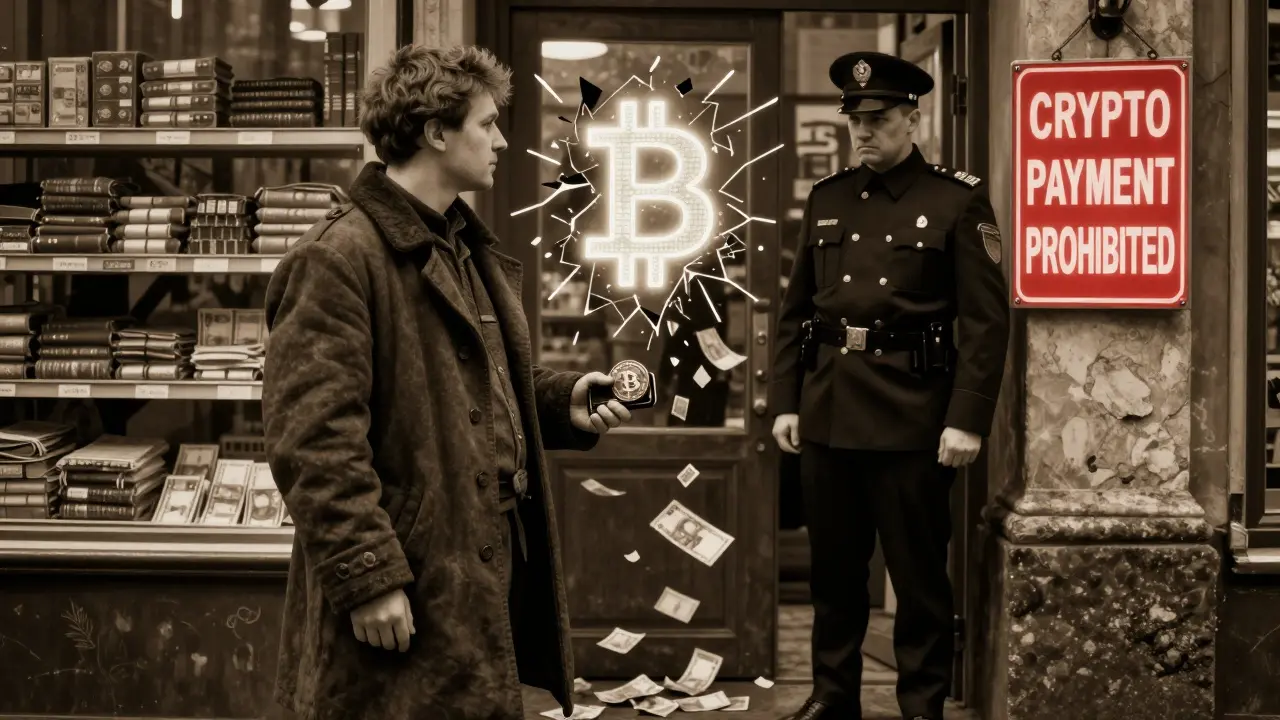
When you hear Crypto Mining Russia, the practice of using computing power to validate Bitcoin and other blockchain transactions within Russia's legal and energy landscape. Also known as Bitcoin mining in Russia, it’s no longer just about cheap electricity—it’s about surviving government shifts, power cuts, and sudden bans. Unlike countries that welcome miners with tax breaks, Russia has spent the last two years playing both sides: quietly allowing mining to grow while threatening to shut it down overnight.
What makes crypto mining laws, the legal framework governing cryptocurrency mining activities, including licensing, taxation, and energy usage rules so messy in Russia? It’s because there’s no single law—just a patchwork of regional permits, federal warnings, and energy ministry decrees. Some regions like Siberia and Krasnoyarsk actively court miners with discounted power, while Moscow and St. Petersburg have moved to ban mining outright. The Russia cryptocurrency, the broader ecosystem of digital assets, mining, and trading operating under Russia’s evolving financial controls isn’t illegal—but mining without a license? That’s a gray zone that can turn into a fine or equipment seizure.
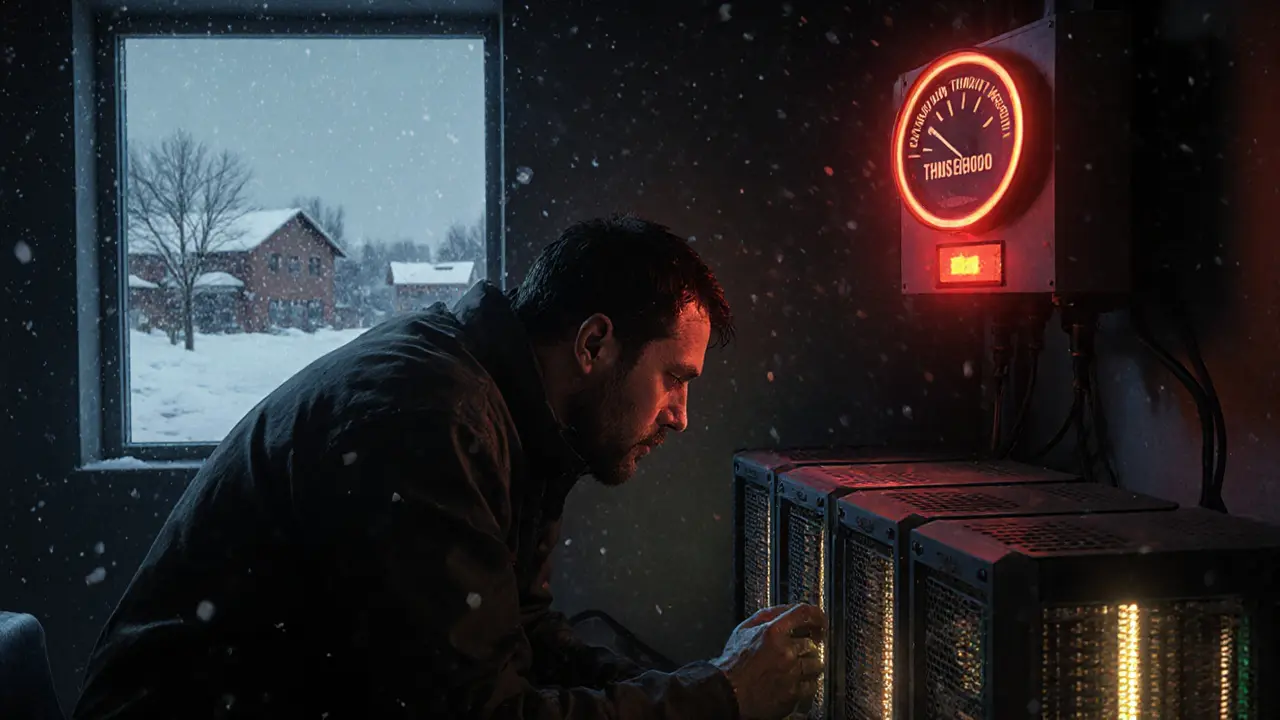
And then there’s the power problem. Russia has the third-largest electricity grid in the world, but most of it is controlled by state-owned monopolies. Miners who signed long-term deals with regional utilities are now being told their contracts are void. Some got kicked off the grid after the 2023 energy crisis. Others had their machines confiscated because they used more than 5 MW without approval. The government’s new 2025 rulebook says miners must register with the Central Bank, pay a 15% profit tax, and prove they’re not using subsidized power. Good luck with that if you’re running rigs in a warehouse in Omsk.
What’s left? A handful of large operators with state ties, a few underground farms in remote towns, and a lot of miners who just packed up and moved to Kazakhstan or Iran. The ones still here? They’re either hiding in plain sight or betting that the next government will flip the script again. There’s no official data on how many rigs are still running—but if you ask a local electrician in Novosibirsk, they’ll tell you the lights still flicker more than they used to.
You won’t find this kind of volatility in the U.S. or even in Kazakhstan. In Russia, crypto mining isn’t just a tech or finance issue—it’s a political one. And if you’re thinking about joining, you need to know: the rules can change in a tweet from a minister, a power outage, or a new decree signed in the middle of the night. The miners who survive aren’t the ones with the most hash power—they’re the ones who stay quiet, pay cash, and never advertise what they’re doing.
Below, you’ll find real stories from people who’ve tried mining in Russia, the legal traps they walked into, and the few legit paths still open in 2025. No fluff. No hype. Just what’s actually happening on the ground.