Crypto Regulation in Nigeria: What You Need to Know About Trading, Taxes, and Scams
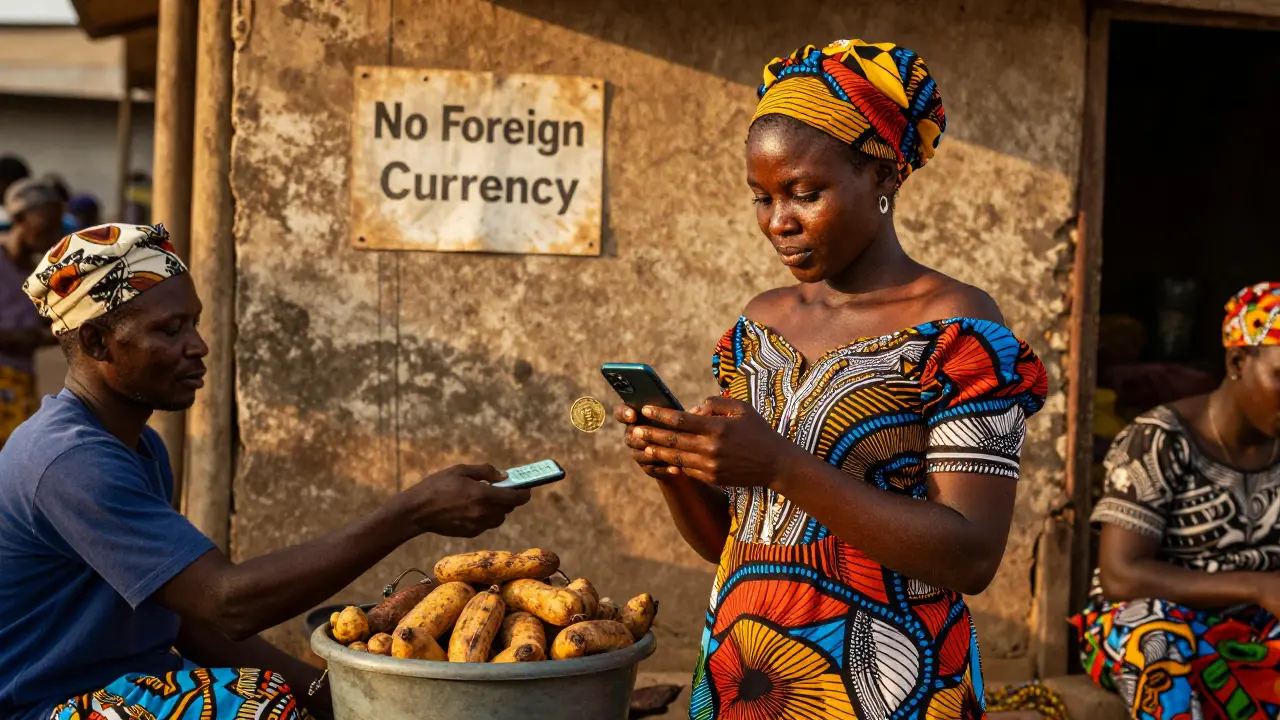
When it comes to crypto regulation Nigeria, the legal framework governing how digital assets are bought, sold, and taxed in Nigeria. Also known as Nigerian cryptocurrency laws, it's a patchwork of warnings, bans, and gray areas that affect everyone from daily traders to small business owners using crypto for remittances. Unlike countries with clear rules, Nigeria’s approach has been reactive—shifting from outright bans to uneasy tolerance, all while the public keeps using Bitcoin and USDT to protect savings from inflation.
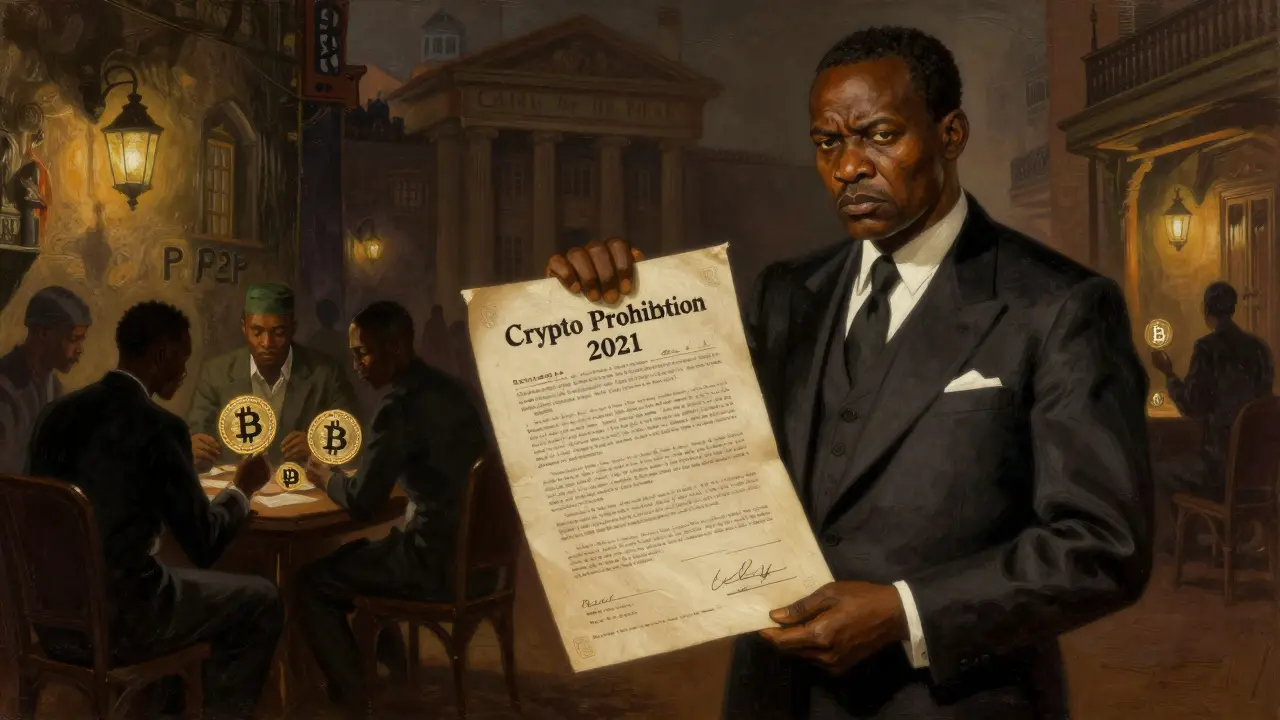
The Central Bank of Nigeria, the nation’s financial authority that has repeatedly restricted banks from handling crypto transactions. Also known as CBN, it doesn’t outright ban crypto, but it makes it hard to use. Banks can’t process crypto deposits or withdrawals, and exchanges like Binance Nigeria, once the largest crypto platform in the country, now operates under heavy restrictions after being ordered to shut down local operations. Also known as Binance NG, it was forced to stop direct fiat on-ramps in 2021. That didn’t stop people—it just pushed them to P2P platforms, local traders, and offshore exchanges. Today, over 30 million Nigerians still hold crypto, mostly as a hedge against currency collapse.
That’s why crypto taxes Nigeria, the rules around reporting and paying capital gains on digital assets. Also known as Nigerian crypto taxation, it is still unclear. The Federal Inland Revenue Service (FIRS) says crypto gains are taxable, but there’s no official form, no tracking system, and almost no enforcement. Most users don’t file. But if you’re trading regularly, you’re at risk—especially as global regulators pressure Nigeria to clean up its crypto space. Meanwhile, crypto scams Nigeria, fraudulent airdrops, fake exchanges, and impersonated projects targeting Nigerian users. Also known as Nigerian crypto fraud, it are rampant. Look at the dozens of abandoned tokens like Oviex, SteakBank Finance, and StarSharks in the posts below—these aren’t anomalies. They’re the norm in a market with weak oversight and high desperation.
What you’ll find here isn’t theory. It’s real cases: how Venezuelans bypass sanctions with crypto, how North Korea uses mixers to launder funds, how Japan protects users with strict rules—and how Nigeria’s lack of clear policy leaves people exposed. You’ll see why low-liquidity DEXs like AuraSwap and PinkSwap are dangerous here, why meme coins like Papu Token and Hot Doge have zero future, and why every "free token" offer needs a red flag checklist. This isn’t about speculation. It’s about survival in a system where the rules are written by people who don’t understand crypto—and enforced by people who don’t care.