
Imagine losing your life savings to a "job" that turned out to be a prison. That is exactly what happened to thousands of Americans in 2024, who collectively lost over $10 billion to sophisticated cyber scams rooted in Southeast Asia. On September 8, 2025, the U.S. Department of the Treasury finally pulled the trigger, sanctioning nine entities and ten individuals linked to these operations in Myanmar and Cambodia. This isn't just another regulatory blip; it is a direct assault on a criminal ecosystem where human trafficking meets cryptocurrency fraud.
The target? A notorious hub called Shwe Kokko in Myanmar, protected by the Karen National Army (KNA). If you have been wondering why your digital assets feel less secure lately, or if you are trying to understand how geopolitical conflicts impact your wallet, this breakdown covers everything. We will look at who got sanctioned, how the scams actually work, and what this means for the future of crypto regulation.
Who Got Hit by the Sanctions?
The Office of Foreign Assets Control (OFAC) didn't just slap a fine on a few companies. They targeted the entire operational structure. The primary focus was on the Karen National Army (KNA), which the Treasury officially designated as a transnational criminal organization. Led by Saw Chit Thu and his sons, the KNA has controlled the Shwe Kokko region along the Thai-Burmese border for years. Why does this matter to you? Because they provided the muscle and political cover for scam centers to operate with impunity.
In addition to the KNA leadership, OFAC sanctioned nine specific entities operating within Shwe Kokko. These aren't vague shell companies; they are the physical compounds where victims are held. Simultaneously, ten targets based in Cambodia were hit, highlighting that this is a cross-border network. The legal basis for these actions is robust, leveraging multiple Executive Orders including E.O. 13694 (malicious cyber-enabled activities) and E.O. 13818 (global Magnitsky Act). By stacking these authorities, the U.S. government is signaling that it views these scams not just as financial crimes, but as severe human rights abuses.
The Mechanics of the "Pig Butchering" Scams
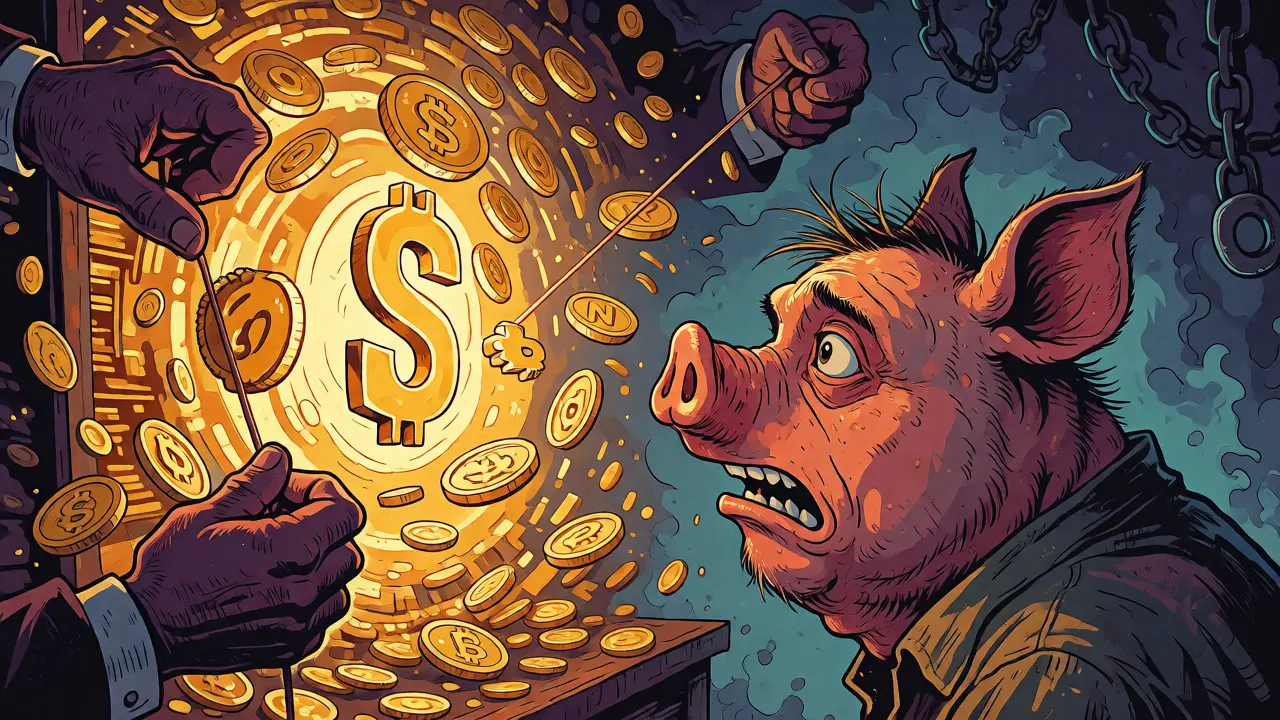
You might have heard the term "pig butchering." It sounds quaint, but the reality is brutal. These operations lure victims-often via dating apps or social media-with fake investment opportunities in cryptocurrency. Once trust is established, the scammers "fatten" the victim with small returns before demanding larger deposits. When the victim tries to withdraw, they are told they must pay taxes or fees, draining their accounts dry.
What makes the Myanmar-Cambodia connection unique is the labor model. The people running these schemes are often victims themselves. Trafficked from China, Malaysia, and other regions, workers are forced under violent coercion to message American citizens all day. They live in compounds surrounded by barbed wire, beaten if they don't meet quotas. The Treasury Department explicitly noted that these operations subject thousands to modern slavery. So, when you send money to a "crypto broker," you might be funding a slave labor camp on the Burmese border.
Why Cryptocurrency Is the Weapon of Choice
Cryptocurrency offers speed and pseudo-anonymity, which criminals love. In traditional banking, a suspicious transfer triggers immediate alerts. In crypto, funds can hop through dozens of wallets in seconds. The sanctions specifically target the financial mechanisms enabling this flow. The Treasury identified that the KNA benefits from its connection to Burma's military junta, creating a complex jurisdictional nightmare for law enforcement. Local police often lack the power or willingness to intervene, leaving U.S. agencies to rely on asset freezes and travel bans.
The scale is staggering. According to Chainalysis data, global crypto fraud losses hit approximately $50 billion recently, with the U.S. government estimating that Americans alone lost $10 billion to Southeast Asian scams in 2024. That’s one-fifth of all global crypto fraud originating from this specific regional cluster. The use of stablecoins like USDT allows scammers to move value without converting back to fiat currency immediately, making tracing difficult until the funds are cashed out.
| Target Type | Location | Primary Role | Legal Authority |
|---|---|---|---|
| Karen National Army (KNA) | Shwe Kokko, Myanmar | Military protection & governance | E.O. 13851, E.O. 14014 |
| Saw Chit Thu | Myanmar Border Region | KNA Leader / Criminal Kingpin | E.O. 13818 (Human Rights) |
| Nine Shwe Kokko Entities | Myanmar | Scam Center Operations | E.O. 13694 (Cyber Crime) |
| Ten Cambodian Targets | Cambodia | Financial Infrastructure & Laundering | E.O. 13851 |
Impact on Investors and Compliance
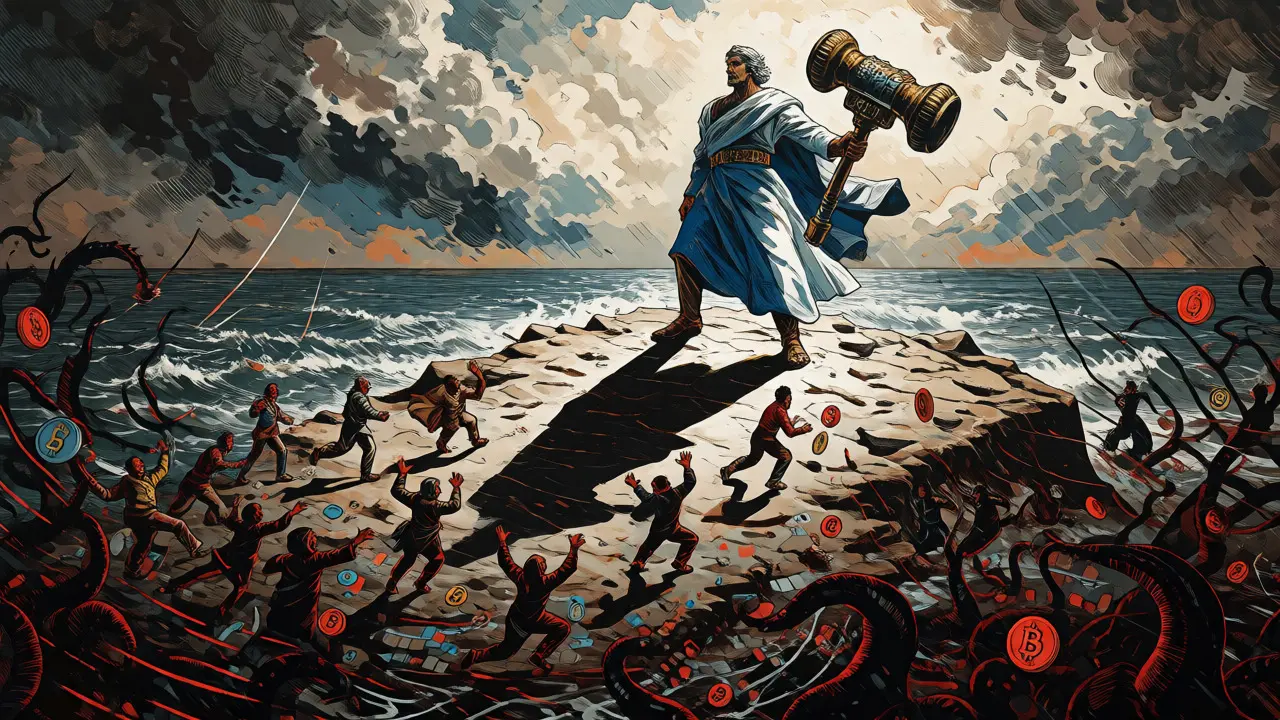
If you hold crypto, do you need to panic? Not necessarily, but you should be aware of compliance risks. Exchanges like Coinbase and Binance are now under stricter scrutiny to screen transactions involving these sanctioned entities. While retail investors rarely interact directly with Shwe Kokko compounds, indirect exposure exists through peer-to-peer trades or decentralized finance protocols that haven't updated their blocklists.
The practical implementation follows standard OFAC procedures: any assets these entities hold within U.S. jurisdiction are frozen, and U.S. persons are prohibited from engaging in transactions with them. For businesses, this means enhanced due diligence. If your company accepts payments from unknown sources, you risk inadvertently facilitating a transaction with a blocked party. The Treasury’s approach suggests a shift from reactive penalties to proactive dismantling of ownership structures.
What Comes Next?
This isn't the end of the story. Under Secretary John K. Hurley stated that this action builds on previous efforts, implying more sanctions are likely. The explicit link between the KNA and Burma’s military opens the door for broader geopolitical pressure. Expect increased cooperation between the FBI, Secret Service, and international partners. The narrative has shifted from "financial fraud" to "modern slavery," giving regulators moral and legal leverage to act faster.
For the average user, the takeaway is clear: skepticism is your best defense. If an investment opportunity promises guaranteed returns with low risk, especially if initiated by a stranger online, treat it with extreme caution. The days of anonymous, unregulated crypto wild west are ending, replaced by a landscape where national security interests intersect with blockchain technology.
Why did the US sanction the Karen National Army?
The KNA was designated as a transnational criminal organization because it provides military protection and administrative control for cyber scam centers in Shwe Kokko, Myanmar. These centers generate billions in illicit revenue while using forced labor, constituting both serious human rights abuses and significant financial threats to U.S. citizens.
How much money did Americans lose to these scams?
According to U.S. government estimates cited by the Treasury Department, Americans lost over $10 billion to Southeast Asia-based cyber scams in 2024 alone. This figure represents a significant portion of global cryptocurrency fraud losses reported that year.
Are my crypto holdings at risk if I trade with unknown parties?
While your holdings aren't automatically seized, trading with sanctioned entities can lead to complications. Centralized exchanges may freeze accounts involved in flagged transactions. Using reputable platforms with strong compliance checks reduces this risk significantly compared to peer-to-peer markets.
What is the connection between Myanmar and Cambodia in these scams?
These operations form a transnational network. Shwe Kokko in Myanmar serves as the operational hub for scam centers, protected by local militias. Cambodia hosts financial infrastructure and laundering channels that help move the illicit proceeds into the global economy, making it a critical node in the criminal ecosystem.
Can I get my money back if I was scammed?
Recovery is difficult but possible. Reporting the incident to the FBI’s Internet Crime Complaint Center (IC3) is crucial. If the funds moved through compliant exchanges that froze the assets upon seeing the OFAC list update, there is a chance for restitution. However, once funds are mixed in decentralized pools, recovery becomes nearly impossible.