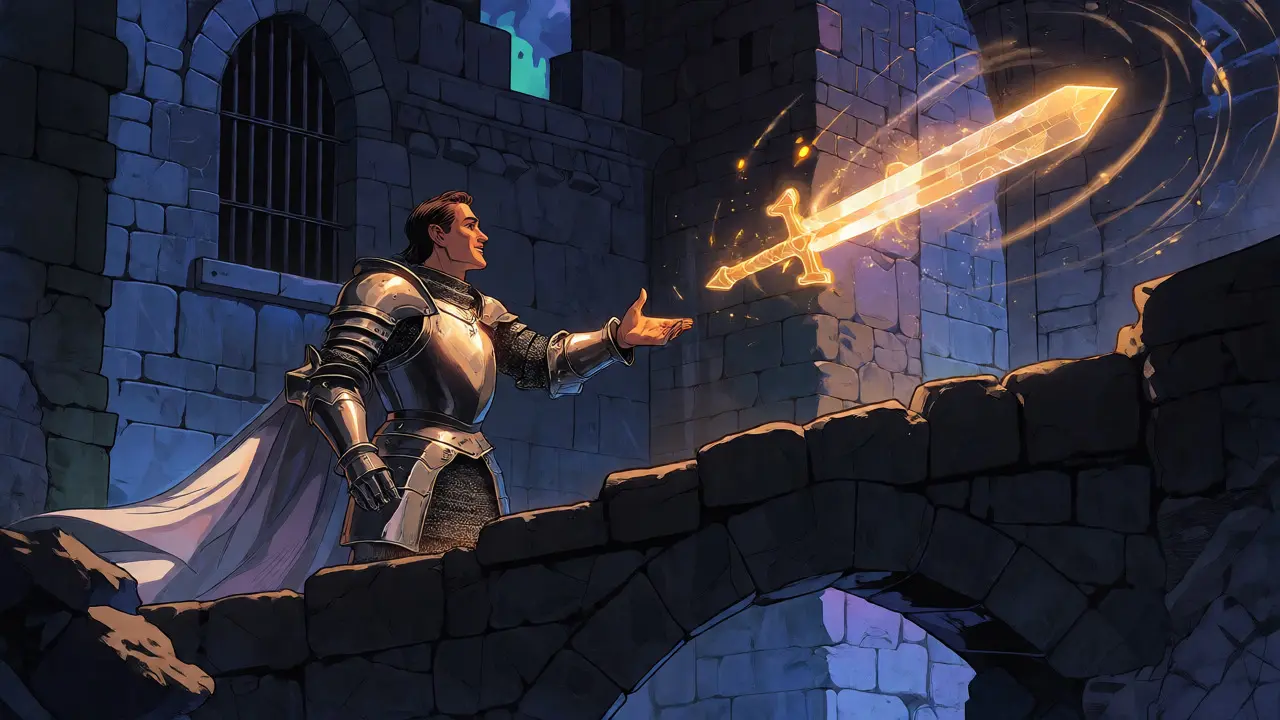
Remember the last time you spent real money on a video game item? Maybe it was a rare skin in Fortnite or a legendary weapon in World of Warcraft. Now, imagine if that item actually belonged to you. Not just within the game’s server, but as a piece of property you could sell, trade, or even move to a completely different game. That is the core promise of virtual economies in blockchain games. For decades, gamers have poured billions into digital worlds only to find their investments locked behind corporate walls. Blockchain technology breaks those walls down, turning gaming from a hobby into a legitimate economic activity where players hold the keys.
The Shift From Renting to Owning
In traditional gaming, you are essentially renting access to a world. The publisher owns every pixel, every sword, and every character you create. If they shut down the servers, your collection vanishes. This model has worked for years because it gives developers total control over the economy. They decide how many gold coins drop, what items cost, and who gets banned. But this centralization creates friction. You cannot easily sell your level 50 character to another player for cash without risking a ban. Grey markets exist, sure, but they are risky and often violate terms of service.
Blockchain gaming flips this script by using decentralized ledgers to record ownership. Instead of storing your inventory on a private company server, it lives on a public network like Ethereum or Solana. Your items become Non-Fungible Tokens (NFTs), unique digital certificates that prove you own that specific asset. This isn’t just tech jargon; it changes the power dynamic. You can take your sword out of Game A and potentially use it in Game B, provided both games support the same standard. This interoperability is the holy grail that traditional closed ecosystems simply cannot offer.
How Smart Contracts Run the Show
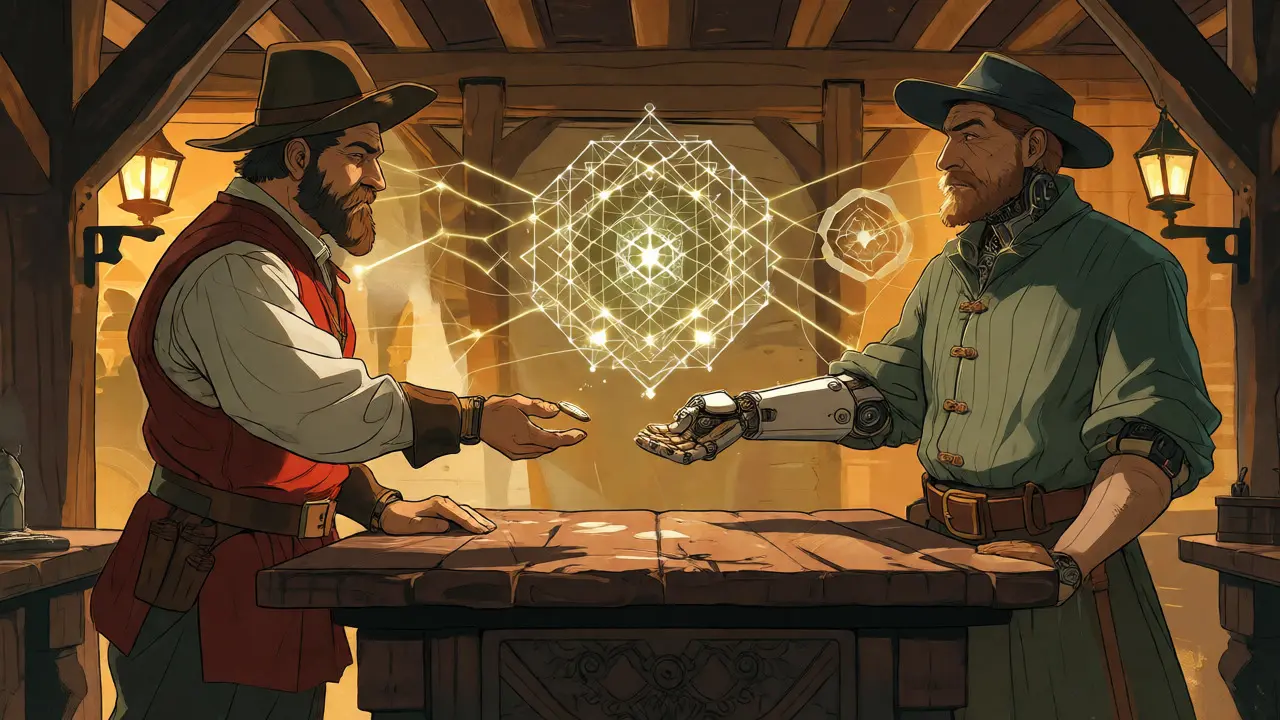
You might wonder, who runs these new economies if there is no central boss? Enter smart contracts. These are self-executing codes stored on the blockchain that automatically enforce rules. Think of them as automated referees. If you buy an item, the smart contract ensures the money moves from your wallet to the seller’s wallet and the item transfers simultaneously. No middleman takes a huge cut, and no admin can arbitrarily change the price after the fact.
This automation allows for complex economic behaviors that were previously impossible. For example, royalties can be programmed directly into the asset. If you sell a rare helmet you found in-game, the original creator can automatically receive 5% of that sale forever. In traditional games, the developer gets paid once when you buy the initial pack. In blockchain games, they benefit from the secondary market activity. This aligns incentives better. Developers want the community to thrive because their long-term revenue depends on it. Players, in turn, feel more invested because they share in the value creation.
| Feature | Traditional Games | Blockchain Games |
|---|---|---|
| Asset Ownership | Publisher-owned license | Player-owned NFT |
| Marketplace Control | Centralized (Steam, Epic) | Decentralized (OpenSea, Magic Eden) |
| Interoperability | None (Walled Garden) | Cross-game potential via standards |
| Economy Management | Top-down developer control | Community-driven / DAO governance |
| Real Money Value | Often prohibited or grey market | Native integration with crypto |
Play-to-Earn and Beyond
You’ve probably heard the term Play-to-Earn (P2E). It sounds like a scam at first-getting paid to play video games? But look at Axie Infinity. During its peak, millions of players in countries like the Philippines earned enough cryptocurrency through gameplay to cover basic living expenses. They weren’t just playing for fun; they were working. They bred creatures, battled them, and sold the rewards on open markets.
However, early P2E models had flaws. Many relied on new players constantly entering to pay off earlier ones, creating pyramid-like structures. When growth slowed, token prices crashed. The industry has since matured toward "Play-and-Earn" or sustainable economic loops. Here, earning is a side benefit of enjoying the game, not the sole purpose. Games like Illuvium focus on high-quality graphics and engaging mechanics first, with blockchain elements enhancing ownership rather than defining the entire experience. The goal is to make the economy robust enough to withstand market fluctuations, avoiding the boom-bust cycles of 2021.
Governance by the Players
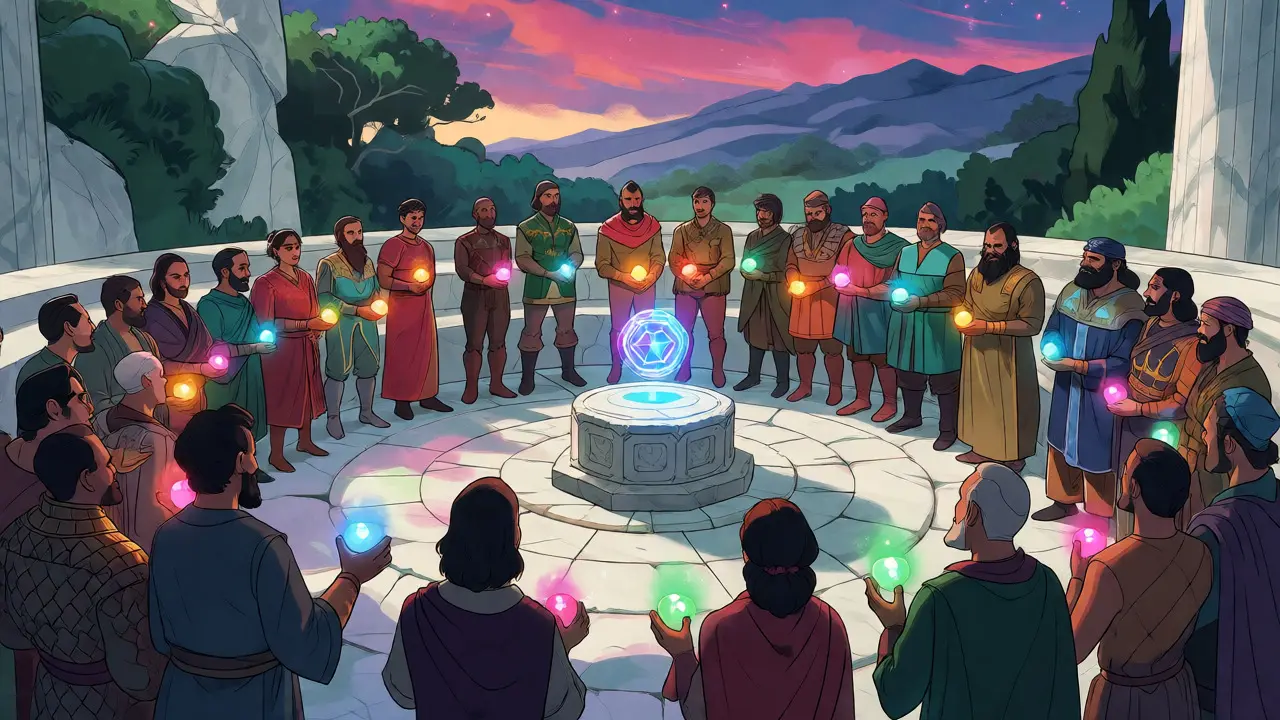
One of the most radical aspects of virtual economies in blockchain games is Decentralized Autonomous Organizations (DAOs). Imagine having a vote on whether a new map should be added, or if the drop rate for a certain item should increase. In a DAO, holding a governance token gives you voting power. This turns passive consumers into active stakeholders.
This doesn’t mean chaos ensues. Usually, proposals go through community forums before hitting the blockchain for a final vote. It mimics local government but operates globally and instantly. Players care about these decisions because their assets are tied to the game’s health. If a bad update tanks the value of their NFTs, they lose money. So, they participate. This engagement creates a tighter bond between the studio and the community compared to the typical "devs vs. gamers" toxicity seen on Reddit threads for traditional titles.
Risks and Realities
It’s not all sunshine and profit margins. Blockchain games face significant hurdles. First, there is the user experience barrier. Setting up a crypto wallet, managing gas fees, and understanding seed phrases scares off casual gamers. If your mom can’t figure out how to buy a sword, the mainstream hasn’t arrived yet. Developers are working on custodial wallets and fiat on-ramps to fix this, but friction remains.
Then there is volatility. Because in-game tokens are cryptocurrencies, their value swings wildly. You might grind for ten hours to earn $50 worth of tokens, only to see that amount drop to $20 overnight due to broader market trends. This makes planning difficult. Additionally, regulatory uncertainty looms large. Governments are still figuring out how to tax these earnings and classify these assets. Are they securities? Commodities? The answers vary by country, adding legal risk for both players and studios.
Finally, scalability matters. Remember CryptoKitties? In 2017, it became so popular it clogged the Ethereum network, slowing down transactions for everyone. Modern blockchains handle this better, but congestion during high-traffic events can still ruin the fun. Waiting minutes for a simple transaction kills immersion. Layer-2 solutions and alternative chains like Polygon or Immutable X aim to solve this, offering faster and cheaper trades.
What’s Next for Digital Worlds?
The future points toward persistent metaverses where identity and assets travel with you. Decentraland already lets users buy virtual land and build experiences, but true mass adoption requires seamless integration. We are moving toward a hybrid model where traditional AAA studios adopt blockchain backends quietly. You might play a major title next year and not even realize your armor is an NFT until you try to sell it on an external marketplace.
For now, treat these economies with caution. Do your research. Look for projects with sustainable tokenomics, not just hype. Ask yourself: Is the game fun without the earning component? If the answer is no, the economy will likely collapse when the speculative bubble bursts. But if the gameplay holds up, the blockchain layer adds genuine utility and financial freedom that traditional gaming never offered.
Do I need to know coding to play blockchain games?
No, you do not need to know coding. Most modern blockchain games hide the technical complexity behind user-friendly interfaces. You interact with the game normally, while smart contracts handle the backend transactions. However, understanding basic concepts like wallets and gas fees is helpful for troubleshooting issues.
Can I lose my money in a blockchain game?
Yes, absolutely. Like any investment or purchase, the value of in-game assets can drop to zero. If the game loses popularity, the demand for its items decreases. Additionally, crypto markets are volatile, so the fiat value of your earnings can fluctuate significantly regardless of in-game performance.
Are all blockchain games "Play-to-Earn"?
No. While Play-to-Earn was the initial buzzword, many current projects focus on "Play-and-Earn" or purely collectible experiences. Some games use blockchain solely for true ownership of cosmetics without emphasizing income generation. Always check the specific economic model of the game before joining.
How do I cash out my earnings?
You typically transfer your earned tokens from your game wallet to a centralized exchange like Coinbase or Binance. There, you can convert the cryptocurrency into stablecoins or fiat currency (like USD) and withdraw it to your bank account. Be aware of transaction fees and withdrawal limits.
What happens if the game shuts down?
If the game shuts down, you still own the NFTs on the blockchain. However, their practical utility disappears unless other games accept them. Their resale value may plummet due to lack of demand, but you retain the right to sell them on secondary markets, unlike traditional games where assets vanish entirely.